

For vegans, holidays like Easter — where foods like ham are traditional fare — can still be full of fun and food by replacing animal-based products and activities with plant-based alternatives.
A vegan is a person who avoids all animal products, including meat, dairy, eggs and often honey.
Easter is widely celebrated in the United States as both a religious holiday and a seasonal spring event. In practice, many traditions such as baskets, candy and egg hunts are cultural additions tied to themes of renewal and new life.
Seasonal guidance from organizations including People for the Ethical Treatment of Animals (PETA) emphasizes plant-based swaps, including egg-free candy, dairy-free chocolate and alternatives to egg dyeing.
In western Maine, where dedicated vegan infrastructure is limited, the approach relies more on substitution and planning than on access to fully vegan businesses.
A VEGAN BASKET
The Easter Bunny and basket tradition are not part of the biblical account of Easter. They are generally traced to European spring customs, where rabbits symbolized fertility and new life, and were later incorporated into modern celebrations.
For families who include baskets, a vegan version can be assembled using a mix of local and online sources.
Vegan chocolate bunnies, typically purchased online from specialty vegan chocolate companies, like Lake Champlain Chocolates of Vermont.
Plant-based Reese’s peanut butter cups are available at Walmart. Chewy candies such as Laffy Taffy, Swedish Fish and Sour Patch Kids, widely available at most stores.
Premium chocolate bars from Theo Chocolate or Hu Kitchen are commonly found at Walmart and Hannaford in both Jay and Farmington. Peanut Chews are available online through Amazon and occasionally found at Food City in Livermore Falls.
Many of these are considered “accidentally vegan,” meaning they contain no animal products even if not specifically marketed that way. However, ingredient labels should still be checked carefully for gelatin, milk derivatives such as whey or casein, and confectioner’s glaze (shellac) or beeswax.
Affordable baskets, plastic eggs, decorative “grass” and activity kits can be found at Dollar Tree in Jay and Farmington, Walmart in Farmington and the Dollar General in Livermore Falls.
Looking for something a little less traditional to place in your baskets:
Fresh fruit — Apples, oranges, bananas, grapes or small containers of berries; pre-cut fruit cups can also be used for younger children.
Small toys or outdoor items — Sidewalk chalk, jump ropes, bubbles, kites, mini soccer balls, seed packets or small gardening tools.
Books or activity kits — Spring-themed children’s books, coloring books, puzzle books, sticker books or simple science kits.
Craft supplies such as paintable eggs — Wooden or ceramic eggs, acrylic paints, brushes, stickers, markers or egg-decorating kits designed for reuse.
Homemade treats using dairy-free chocolate — Chocolate-covered pretzels, dipped strawberries, homemade peanut butter cups or simple chocolate bark with dried fruit and nuts.
A VEGAN MEAL
Traditional Easter meals often center on lamb or ham. Vegan meals maintain a similar structure with a plant-based centerpiece and familiar sides.
The main meal:
Lentil loaf, tofu loaf, impossible “meat” loaf or bean-based roast.
Glazed Tofurky ham-style roast, a common substitute, though typically small and best suited for a smaller gathering.
Classic sides:
Mashed potatoes with plant-based gravy.
Green bean casserole made with plant-based cream sauce.
Vegan mac and cheese using cashew, oat, vegan cheese shreds or potato-based sauces.
Roasted vegetables such as carrots and asparagus.
Dinner rolls, often vegan but requiring label checks.
Dessert options:
Carrot cake with dairy-free cream cheese frosting.
Chocolate cake or cupcakes.
Coconut cream pie or pudding-based desserts.
Fruit crisps or cobblers.
In Maine, maple products are a seasonal addition. Maple candy from local sugarhouses is typically vegan and widely available during spring.
DINING OUT
In communities such as Jay, Farmington and Livermore Falls, vegan dining options are limited and typically require modification.
One local option is the Wah Garden in Jay, which offers several vegan-friendly dishes, including vegetable spring rolls, vegetable fried rice, bean curd Szechuan-style in garlic sauce, vegetable medley and General Tso tofu.
In Farmington, Thai Smile offers dishes that can be prepared vegan, including vegetable curries, tofu stir-fries and noodle dishes, though diners should confirm ingredients when ordering. Also in Farmington, the Orange Cat Cafe offers clearly labeled vegan options, including breakfast and lunch items.
For a quick option, the Impossible Whopper is available at Burger King in Farmington and can be ordered without mayonnaise to make it vegan.
In southern Maine, especially Portland, more dedicated options are available:
Green Elephant, a vegetarian restaurant with many vegan dishes.
The Holy Donut, which offers vegan donut options.
Farther south, Lovebirds Donuts offers vegan donuts.
Easter hours vary by business, and many locations close or reduce hours, so calling ahead is recommended.
WEEKEND ACTIVITIES
The egg hunt:
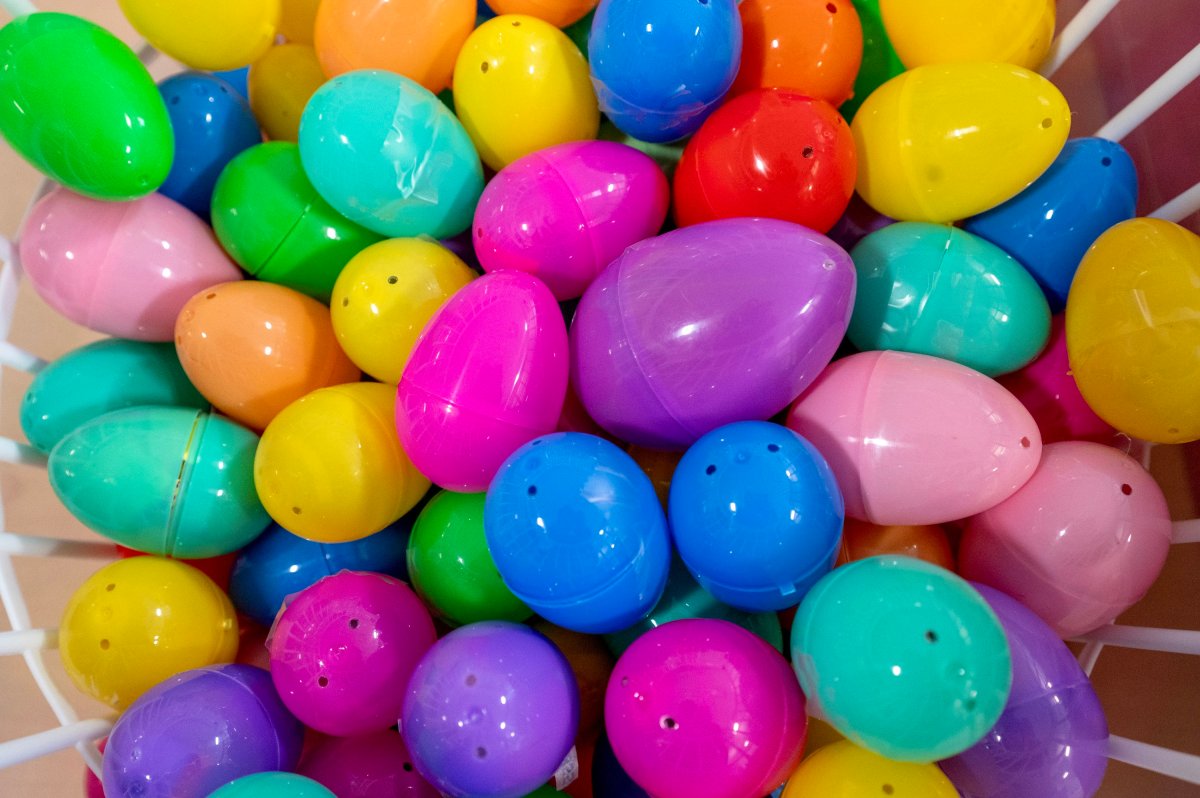
• Egg hunts can be adapted with vegan candy or small toys. Plastic or wooden eggs can be filled with small non-food items such as stickers, notes, coins or tiny toys. Some families use clue-based hunts, where each egg leads to the next, or assign colors to each child to keep it organized. Eggs can also be reused annually, reducing waste.
Church services:
Many local churches in western Maine hold Easter Sunday services, including:
• St. Rose of Lima Church, Jay.
• St. Joseph Church, Farmington.
• Old South First Congregational Church, Farmington.
• Henderson Memorial Baptist Church, Farmington.
• Wilton United Methodist Church, Wilton.
• St. Luke’s Episcopal Church, Wilton.
Additional services are typically held throughout western Maine. Make sure to check local church websites or announcements to confirm Easter service times, as schedules can vary.
Other activities:
• Visit local trails to look for signs of thaw, running water, returning birds or early buds. Families might bring a simple scavenger list such as finding pussy willows, animal tracks or patches of exposed ground.
• Paint wooden eggs, making paper flowers, creating spring-themed decorations or building simple bird feeders using pine cones and seed. Families might also plant seeds indoors or start a small garden project tied to the season. PETA suggests painting ceramic eggs, or a “potato egg.”
• Instead of focusing on candy or packaged foods, families can prepare a simple spring meal together, such as baking bread, making a plant-based brunch or preparing seasonal vegetables. This shifts the focus toward shared activity rather than consumption.
• Participating in a local cleanup, helping a neighbor or donating items can reinforce themes of renewal and care for others. Even small actions like picking up litter on a walk can be incorporated into the day.
• Reading books about the story of Easter, spring-themed books, sharing family traditions or discussing what renewal means in a personal or seasonal sense can provide a quieter alternative to more commercial traditions.
A vegan Easter does not require abandoning traditions. It involves substituting materials and foods while keeping the structure of the holiday intact.

Comments are not available on this story. Read more about why we allow commenting on some stories and not on others.
We believe it's important to offer commenting on certain stories as a benefit to our readers. At its best, our comments sections can be a productive platform for readers to engage with our journalism, offer thoughts on coverage and issues, and drive conversation in a respectful, solutions-based way. It's a form of open discourse that can be useful to our community, public officials, journalists and others.
We do not enable comments on everything — exceptions include most crime stories, and coverage involving personal tragedy or sensitive issues that invite personal attacks instead of thoughtful discussion.
You can read more here about our commenting policy and terms of use. More information is also found on our FAQs.
Show less