

The second of two phases in a sewer project replacing some of the city’s aging infrastructure is expected to get underway this summer after the city secured federal financing to help pay for the $2.74 million job.
That work was initially going to be part of a larger project in 2021, but officials, concerned doing it all at once would be too costly, split it into two phases. The second phase was first expected to start in 2024, but the city was unable to secure federal financing .
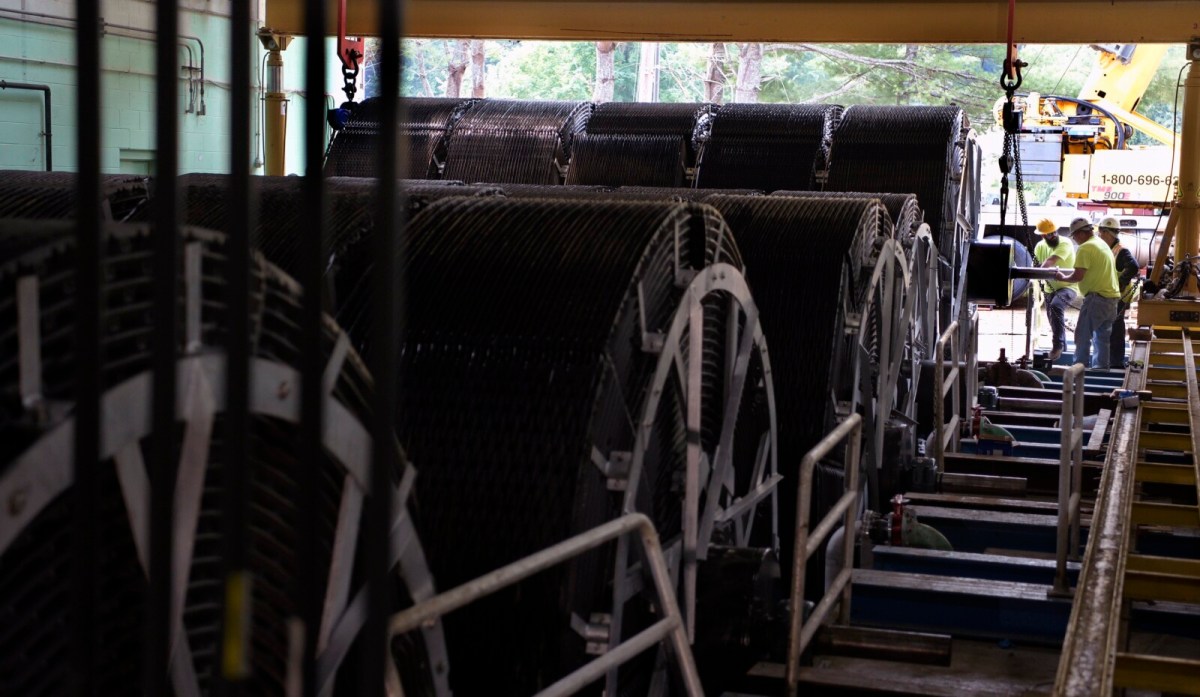
The work is expected to include replacing the electronic control system, as well as the boiler and part of the roof at the wastewater treatment plant in south Gardiner, and upgrades to the Maine Avenue pump station at the entrance to the city’s waterfront park.
Earlier this month, city councilors unanimously authorized Denise Brown, interim city manager, to apply for interim financing for the $2.74 million project. The bond the city will take out for the project will be paid back with a $482,000 grant, and a 28-year loan at 3.75%. Both the loan and grant are from the U.S. Department of Agriculture.
The city also received a $1 million grant from the Northern Border Regional Commission, to help cover the cost of the project, Brown said.
The commission is a federal-state partnership for economic and community development in northern Maine, New Hampshire, New York and Vermont.
“It’s a project we’ve been talking about for a few years, and we finally got approval through Rural Development for a grant and a loan,” Brown said Tuesday. “We’re glad to finally get moving on it.”
City officials said they plan to meet with an engineer to discuss the project Wednesday, and put it out to bid in late March or early April. They anticipate construction to start after the bid is awarded in late July. Brown said it’s expected to be substantially complete by the spring of 2028.
This phase of the project is not expected to directly impact sewer rates, although the overall project was considered when officials increased sewer rates by 30% in 2023, following years of only small rate increases.
But ultimately, Brown said, an increase in debt payments to cover the project’s cost — payments likely to begin in fiscal year 2028 or 2029 and expected to add about $160,000 in annual debt service—will fall on ratepayers as the city repays the loan.
Brown said there was a 4% increase in sewer rates this year, due to general cost increases, not the sewer project.
Mayor Patricia Hart, before the March 18 council vote to authorize moving ahead with financing the project, said city officials have had many presentations on the project over the years. The council held first and second readings of the proposal, neither of which drew any comment from members of the public.
While the goal of splitting the project up into phases was to make it more affordable for ratepayers, the cost of construction materials and labor going up in the time period since likely increased the overall cost of the project.
“In hindsight, doing phase 1 and phase 2 together would’ve been less,” Brown said. “But it was a matter of how much can citizens absorb.”
She said Gardiner tried to secure congressionally directed spending to help pay for the project, but did not get it. The city has since gotten $1.4 million in congressionally directed spending, according to U.S. Sen. Susan Collins’ office, for other upgrades to the wastewater treatment system.
Brown said much of the city’s underground infrastructure, such as sewer pipes, is very old and in need of upgrades. A recent update to a master plan for how to deal with combined sewer overflow — which is the combination during heavy rainstorms of sewer and rainwater that flows in the Kennebec River — presents a 10-year plan, costing upward of $7 million in projects.
The sewer plant also takes wastewater from Randolph and Farmingdale. The treatment plant is an enterprise fund in Gardiner, meaning it pays for itself through billing those who use its service, and through fees charged to member communities.

We invite you to add your comments. We encourage a thoughtful exchange of ideas and information on this website. By joining the conversation, you are agreeing to our commenting policy and terms of use. More information is found on our FAQs. You can update your screen name on the member's center.
Comments are managed by our staff during regular business hours Monday through Friday as well as limited hours on Saturday and Sunday. Comments held for moderation outside of those hours may take longer to approve.
Join the Conversation
Please sign into your CentralMaine.com account to participate in conversations below. If you do not have an account, you can register or subscribe. Questions? Please see our FAQs.