


Gov. Janet Mills, with support from community college leaders and students who have benefited, is pushing hard in her final year in office to make permanent a free tuition program.
The program — a cornerstone of her affordability agenda that since 2022 has allowed more than 23,000 students to attend community college tuition-free — is included in this year’s supplemental budget, along with language that would enshrine it in law in perpetuity.
Last year, lawmakers funded the program through the high school class of 2026 but declined to make it permanent.
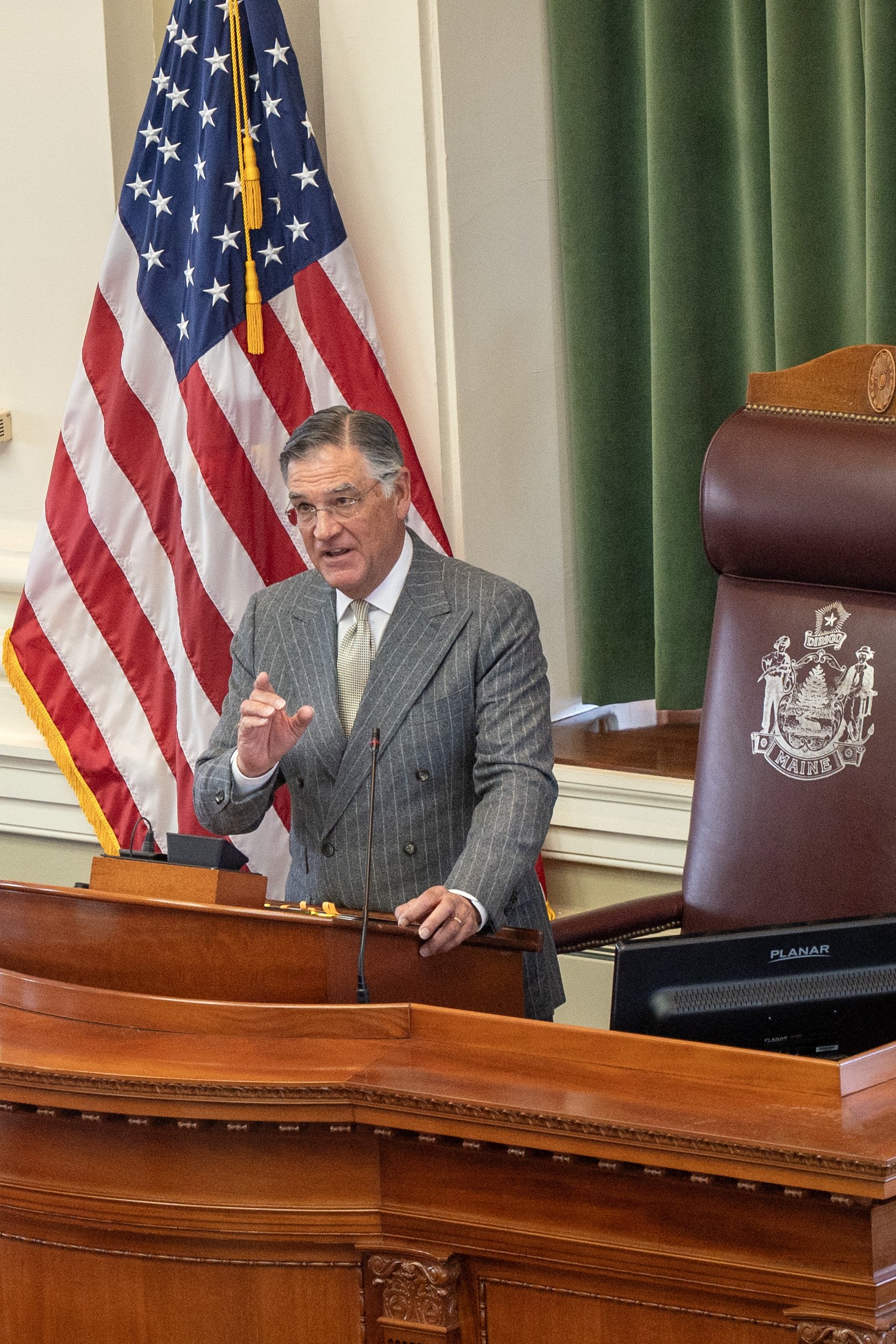
Dave Daigler, president of the Maine Community College System, is nervously awaiting the legislative outcome.
“I would classify myself as hopeful,” he said in an interview this week. “We’re anxious to see it come to fruition, but it’s not over until the votes are counted.”
This year, Mills’ proposed budget includes $10 million for a slightly scaled back version of the program. Daigler called those changes, “reasonable, and a viable way to ensure that Maine high school graduates continue to have this incredible opportunity.”
In the months since the budget was unveiled, as the Legislature’s Appropriations Committee has considered what it will support, Mills and system leaders have lobbied hard for the program, visiting campuses and highlighting testimony in support of the initiative.
Mills’ spokespeople did not respond to a request for comment on this story, but the governor — who is locked in a fierce Democratic primary battle with Graham Platner for the U.S. Senate seat held by Republican Susan Collins — would almost certainly welcome any policy wins ahead of June.
A POPULAR PROGRAM
After lawmakers declined to make the program permanent last year, Daigler said Mills came to the system and asked for some cost cutting options that she could use to convince lawmakers that it is a sustainable investment.
They settled on three: excluding out-of-state high school students from eligibility, not covering fees and reducing the amount of time students have to complete their degree from four years to three. Those cuts reduce the annual cost of the program from $12.5 million to $10 million.
Daigler said all of those aspects of the program exist to lower barriers to education or improve Maine’s workforce. The tuition was available to out-of-state students in an effort to attract new young people to the state; about 500 students currently enrolled, or 4%, were from outside Maine. The four-year timeline was designed to accommodate students with busy lives; almost all students work in some way in addition to their courses.
Daigler said the program is good for Maine’s economy, and graduates are filling desperately needed jobs in industries like healthcare. The system recently commissioned an economic analysis from the higher ed research firm Lightcast that found the state’s community colleges contribute more to Maine’s economy than they cost to operate, giving back $2.70 to taxpayers for every dollar of public money invested.
He also highlighted a finding that 80% of Maine voters said they support continuing free community college tuition, according to the fall 2025 Critical Insights on Maine survey.
“There’s good reason to carry the program forward, and the voters seem to know that,” Daigler said. He has emphasized during that while Maine is one of about 30 states that have a free community college program, it would be the first to create and then discontinue one.
In a news release Wednesday the system spotlighted students, high school counselors and local business leaders who have spoken out in favor of the program.
“No student should have to sit across from a counselor and grieve a future they worked hard to build, and no state can afford to push away the very people it is depending on to build its future,” Marshwood High School counselor Kyle Lontine wrote in a letter to lawmakers, urging full funding for the tuition.
‘IT REALLY, TRULY IS HER PROGRAM’
Daigler said it was Mills, not the college system, who came up with the idea. The governor approached system leaders and asked what they would do, and what it would cost, if they were to build a free college initiative.
“It really, truly is her program,” he said.
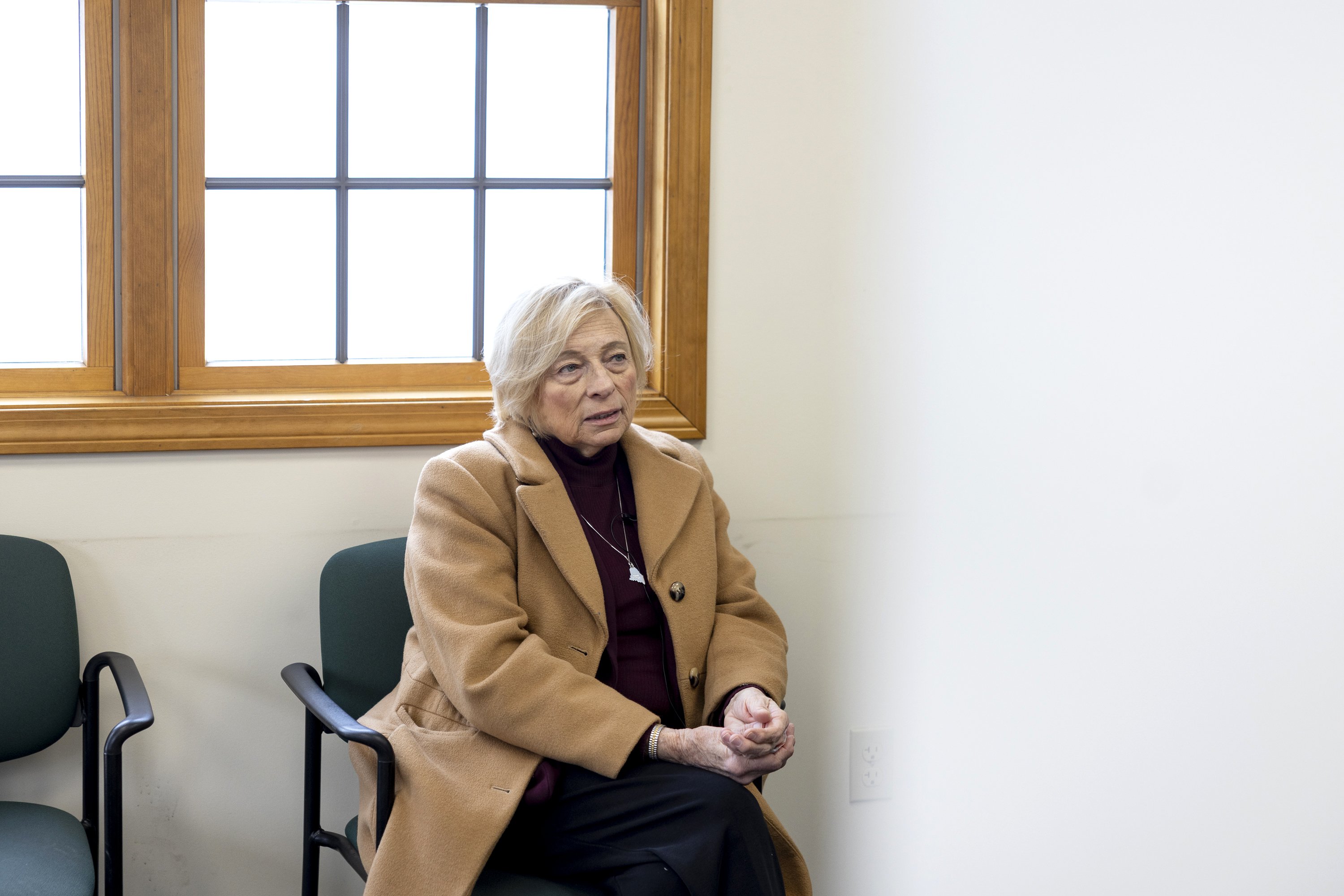
Mills, who is nearing the end of her final term as governor and is waging a primary campaign for Senate, has been making public appearances in support of the program this spring.
In March, she visited York County Community College’s campus in Wells to “meet with students enrolled in her successful Free Community College program”, and to try out some virtual reality equipment, according to reporting from the Maine Morning Star. The previous month she took a trip to Northern Maine Community College in Presque Isle for the same purpose.
“Governor Mills has proposed making the Free College program permanent as part of her Affordability Agenda, the cornerstone of her supplemental budget proposal under consideration by the Legislature,” statements announcing both appearances read.
Other components of her agenda include $300 “affordability checks” for about 725,000 Mainers under a certain income level and $70 million for new housing.
Some of the candidates vying to replace Mills have already declared their own support for the program: Democrats Nirav Shah and Hannah Pingree have both said they would make free tuition permanent if elected.

We invite you to add your comments. We encourage a thoughtful exchange of ideas and information on this website. By joining the conversation, you are agreeing to our commenting policy and terms of use. More information is found on our FAQs. You can update your screen name on the member's center.
Comments are managed by our staff during regular business hours Monday through Friday as well as limited hours on Saturday and Sunday. Comments held for moderation outside of those hours may take longer to approve.
Join the Conversation
Please sign into your CentralMaine.com account to participate in conversations below. If you do not have an account, you can register or subscribe. Questions? Please see our FAQs.