

Regulators have approved a slate of changes to a program designed to soften the burden of electricity costs for low-income Mainers, including expanding eligibility and streamlining the enrollment process.
The state’s Low Income Assistance Program, or LIAP, helps eligible Mainers pay for their electricity year-round by offering a credit on bills. It’s similar to — but distinct from — the Low Income Home Energy Assistance Program, or LIHEAP, which helps pay for heating costs in Maine. Both programs are administered by the quasi-state agency MaineHousing.
Starting in October 2026, LIAP funding will be increased to $33 million each year, a nearly 50% increase from the current $22.5 million, said Philip L. Bartlett II, chair of the state utilities commission. The program is funded entirely by a surcharge on most ratepayers’ bills, said commission spokesperson Susan Faloon.
At the same time, eligibility will permanently expand to include households at up to 150% of the federal poverty level that are already enrolled in another income-restricted program from the Maine Department of Health and Human Services. That codifies a temporary increase the Legislature approved a few years ago.
In 2025, the federal poverty level was about $32,150 for a family four, according to data collected by the Patient Access Network Foundation — meaning a household of that size would need an income of $48,225 or less to qualify.
Additionally, all eligible households will be automatically enrolled in the program starting next year. With automatic enrollment, the commission expects about 20,000 more people to participate, Faloon said, though she warned that figure was preliminary.
This year, more than 67,000 Maine residents qualify for the program. Notification letters began going out in late September, the Office of the Public Advocate announced at the time.
“Enrollment will be hard to predict as we move to automatic enrollment for customers who meet DHHS income eligibility requirements, and the Commission will reevaluate funding levels in future years as we gain experience with participation levels and the actual cost of the new program design,” Bartlett said.
In a written statement, Bartlett said the new funding level is designed to reflect heightened electricity costs and “the real affordability challenges facing Maine households.”
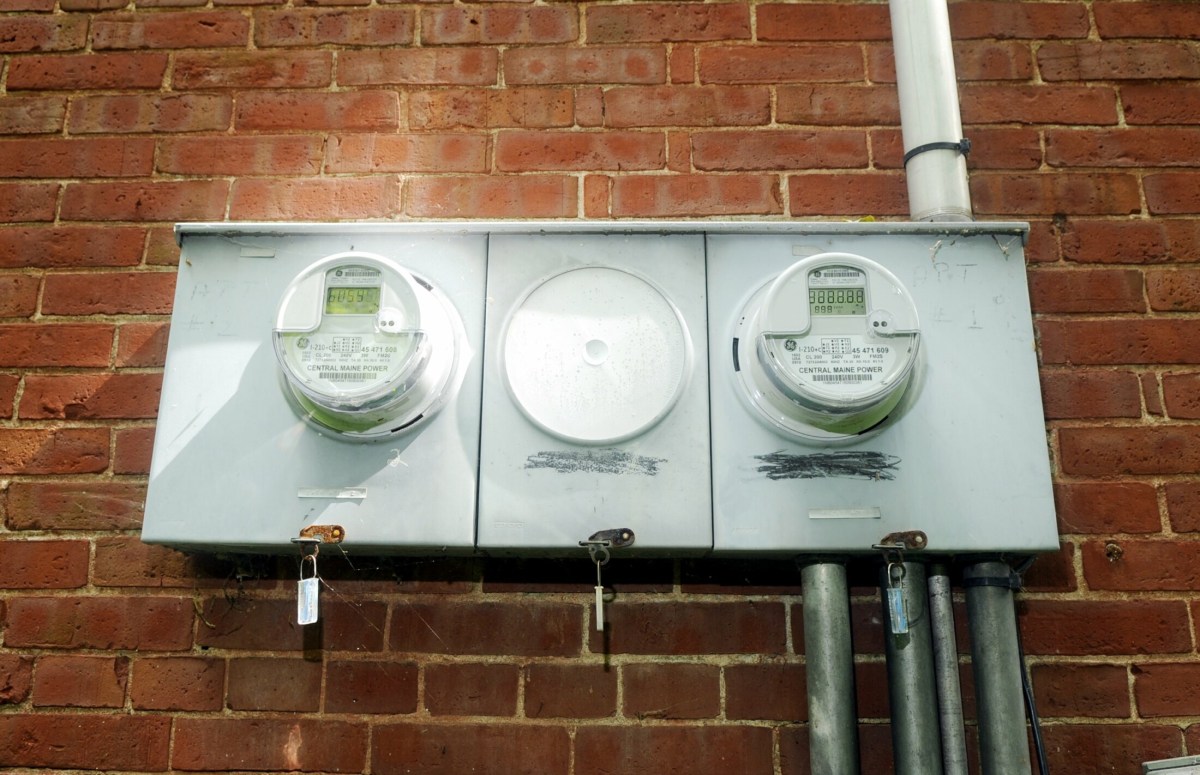
Under the new program structure, credits will be issued as a monthly bill discount for customers of Central Maine Power Co. and Versant Power, the state’s two largest electric utilities. Participants currently receive funding in two lump sums.
Each year, electric utilities will set discount rates for households making 0-75%, 76-100%, 101-125% and 126-150% of the federal poverty level.
Heather Sanborn, who represents ratepayers as the state’s public advocate, praised the changes, saying automatic enrollment will help more people see savings.
She added that the shift from lump sums to monthly discounts is a major improvement.
“Families pay their bills on a monthly basis, and they need to have the ability to budget,” she said on a Tuesday phone call.

We invite you to add your comments. We encourage a thoughtful exchange of ideas and information on this website. By joining the conversation, you are agreeing to our commenting policy and terms of use. More information is found on our FAQs. You can update your screen name on the member's center.
Comments are managed by our staff during regular business hours Monday through Friday as well as limited hours on Saturday and Sunday. Comments held for moderation outside of those hours may take longer to approve.
Join the Conversation
Please sign into your CentralMaine.com account to participate in conversations below. If you do not have an account, you can subscribe here. Questions? Please see our FAQs.