

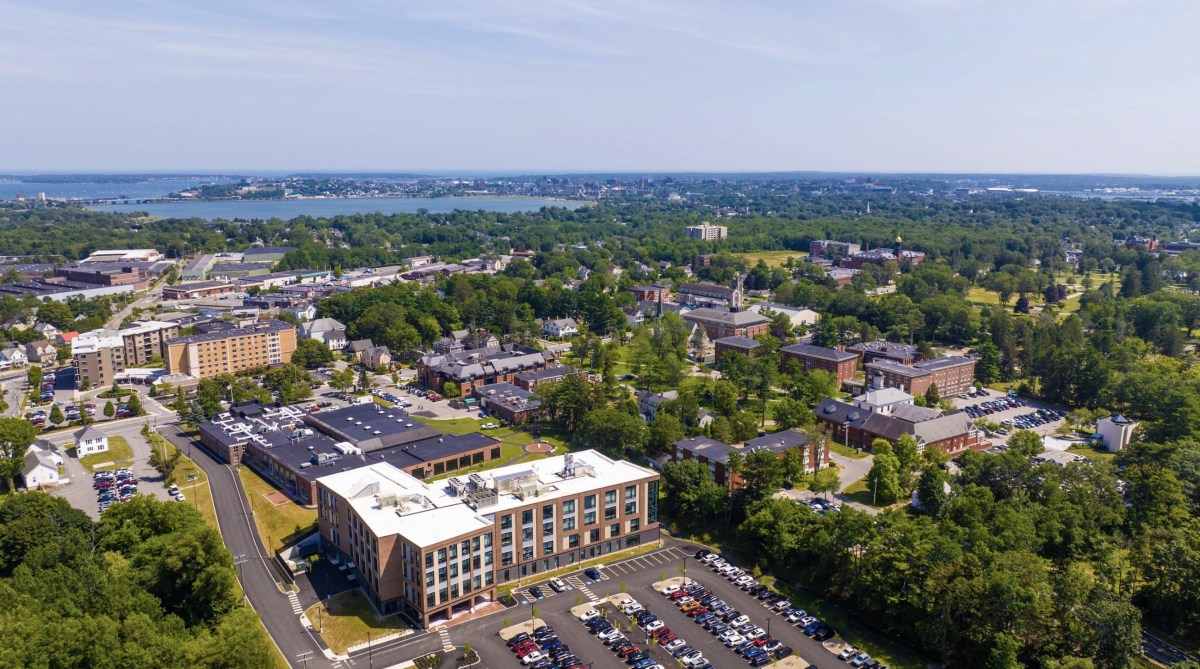
The University of New England is embarking on an initiative to meet urgent behavioral health workforce needs in rural Maine communities as the opioid crisis, and a lack of resources to fight it, persist.
The university announced this month a four-year, $1.6 million grant from the Health Resources and Services Administration that will allow UNE to expand workforce training in medication-assisted treatment and recovery for opioid use disorder in rural Maine.
The new initiative, called the University of New England Northern Border Rural Workforce, is designed to make a positive impact in areas experiencing high rates of fatal overdoses by training health care providers to appropriately help those experiencing addiction.
“We are building a pipeline of professionals trained to address and treat opioid use disorders and provide access to life-saving care in rural communities that need it most,” Project Director Devon Anne Sherwood said in a news release from the university.
The grant will establish a certification program for UNE health professions students and for current health care providers, according to the news release. Participants in the program will be trained on medication-assisted treatment, medication for opioid use disorder and medication-assisted recovery.
UNE nursing, pharmacy, social work, physician assistant and medicine students will also undergo “baseline training” for substance use disorders and opioid use disorder, the news release said.
The program will place students at clinical practice sites across the state, Sherwood said, building a network across the state. Hospitals that will participate include the Northern Light Health system, the Penobscot Community Health Care system, MaineHealth Franklin Hospital in Farmington and Eastport Health Care.
While the number of drug overdose deaths in Maine continues to fall thanks to rapidly expanding access to naloxone and better treatment in jails, experts say the state’s rural communities are not yet out of the woods.
Rural communities are typically hit the hardest by opioid use disorder, Maine Recovery Action Project Policy Director Tess Parks said, in large part because of limited public transportation options and a lack of nearby support services.
Even rural Mainers with access to reliable transportation often find it harder to access recovery centers and support groups than their more urban counterparts, Parks said. And as the most rural state in the U.S., Maine has more areas with little access to services.
Washington County, which leads the state in the number of overdose deaths per capita, only has one recovery center, in Machias. Piscataquis County, Maine’s least-populous county, recently opened its first.
“You have areas that are really just a resource desert,” Parks said. “There’s not much there.”
Because rural communities have fewer resources, it’s important for health care professionals working there to be trained in stopping overdoses and treating those dealing with addiction, Parks said.
The new UNE program could help them do that.
“The grant will help us make sure that across the state, we have trained medical staff,” Parks said. “They might be the only point of contact for somebody coming in with an opioid use disorder.”
The program also aims to reduce stigma surrounding opioid use disorder — something that Parks said often deters people from seeking treatment in rural areas.
“In smaller towns where an individual may know everyone, it may be a lot harder,” she said. “There may be more shame for someone to admit they need support.”
Shannon Bentley, a mental health first responder for the city of Sanford, said medication-assisted treatment is contributing to the fall in overdose deaths. Expanded access to medications like Sublocade, a once-monthly injection used to treat opioid use disorder, could be valuable to rural communities, Bentley said.
“Especially for people who can’t get to the pharmacy in time for their medication or homeless people,” Bentley said. “They don’t have secure medication storage and often get their medications stolen.”
But the state has tight restrictions on Sublocade, Bentley said, which can make it difficult for some health care providers to learn to properly use it.
“It would be a huge benefit if doctors and health care providers were all educated in using Sublocade,” she said.
The new UNE initiative could be instrumental in increasing access to those critical resources in the rural communities where they’re needed most.
“It’s about saving lives,” Bentley said. “Having people who can meet struggling people where they’re at is important.”

Comments are not available on this story. Read more about why we allow commenting on some stories and not on others.
We believe it's important to offer commenting on certain stories as a benefit to our readers. At its best, our comments sections can be a productive platform for readers to engage with our journalism, offer thoughts on coverage and issues, and drive conversation in a respectful, solutions-based way. It's a form of open discourse that can be useful to our community, public officials, journalists and others.
We do not enable comments on everything — exceptions include most crime stories, and coverage involving personal tragedy or sensitive issues that invite personal attacks instead of thoughtful discussion.
You can read more here about our commenting policy and terms of use. More information is also found on our FAQs.
Show less