


The Maine Department of Environmental Protection is seeking legislative approval to require battery manufacturers to fund a statewide recycling and disposal program, similar to those already in place for lightbulbs and electronic waste like laptops and TVs.
The proposal addresses a growing problem: At least 820,000 pounds of batteries are tossed out each year in Maine, according to state data. The batteries take up Maine’s limited landfill space, the department said, and are causing a surge in trash truck, recycling center and landfill fires.
Nationally, an estimated 5,000 fires erupt at recycling centers every year, according to DEP. On the local level, the nonprofit ecomaine, which manages waste for 70 communities in southern Maine, has reported 63 fires at its facilities since 2023, with 78% caused by lithium-ion batteries.

It took multiple fire departments three days to knock down a battery fire at the Tri-Community Landfill in Fort Fairfield last year, according to Mark Draper, the head of the company that runs the landfill, Aroostook Waste Solutions.
“Landfill fires are quite unpleasant, unhealthy, difficult to extinguish, and expensive,” he said.
The Legislature’s environment committee endorsed the battery stewardship bill, L.D. 474, on Wednesday by a 10-0 vote.
The proposal comes as the state-owned Juniper Ridge, which accounts for about half of Maine’s landfill volume, is set to reach capacity by early 2028.
The bill follows Maine’s history of “extended producer responsibility” laws, which already require manufacturers to finance the collection and disposal of products like paint, electronics and packaging. Such laws aim to shift costs away from municipal property taxpayers and conserve landfill space.
Maine currently recycles car and rechargeable batteries. The new program would expand this to include everyday single-use batteries and modern lithium-ion cells found in phones and power tools. By 2030, the program would also cover batteries sealed inside products like vapes.
Electric vehicle batteries and batteries included in medial equipment would remain exempt.
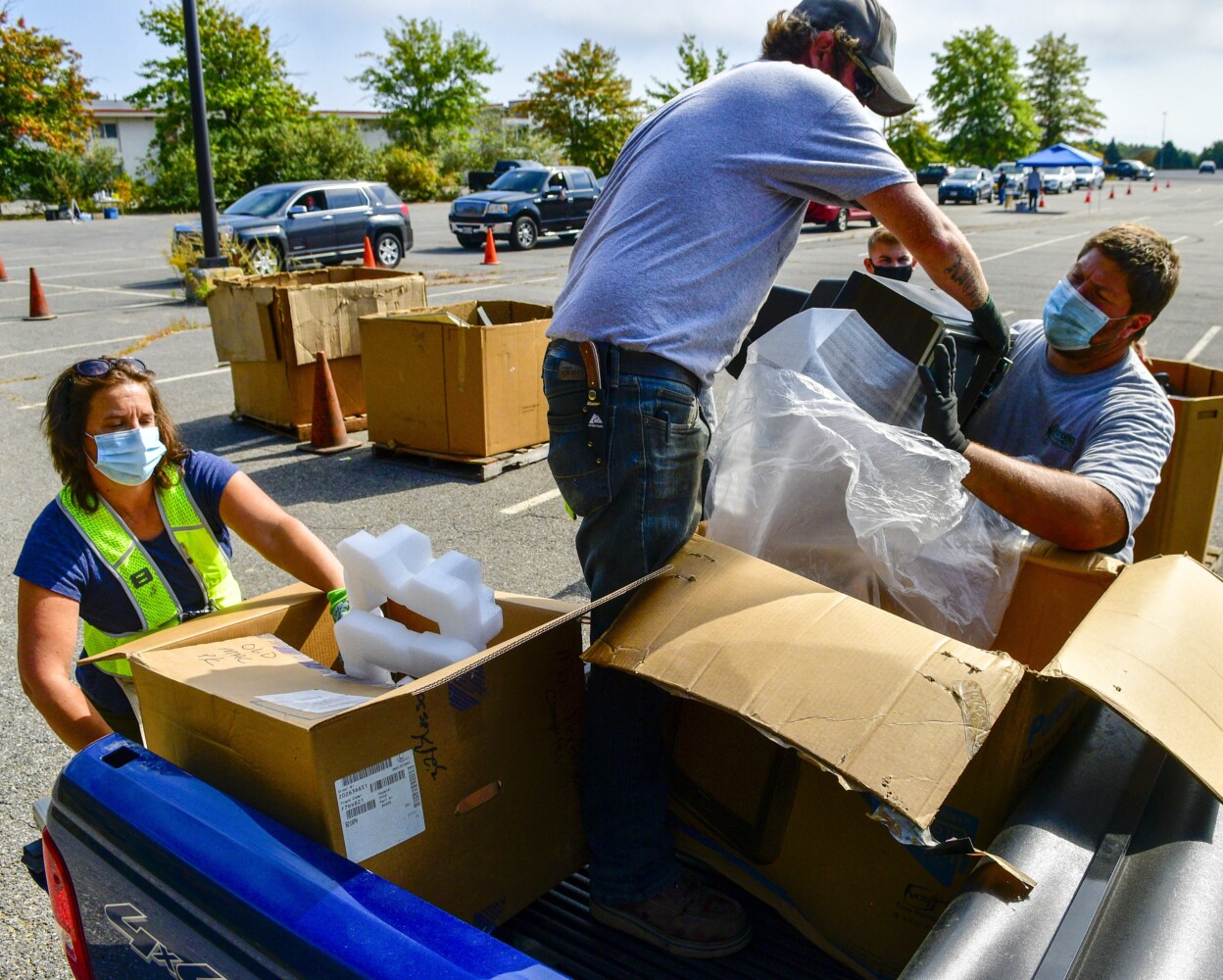
Under the plan, producers must set up a free, convenient collection system. Brian Beneski, who oversees DEP recycling programs, told state lawmakers that the “absence of a proper collection” system has led to “safety issues within Maine’s waste stream operations.”
Residents would not need to worry about being fined for a stray battery in their kitchen trash. The bill focuses on manufacturers, who would be prohibited from selling batteries in Maine unless they fund and participate in a state-approved recycling system.
Seven other states, including Vermont and California, have passed similar laws, but each one is a little different. For example, some battery makers must create their own programs, while others fund a state-run program.
Industry opponents, however, warned lawmakers about the potential for a “cost pass-through.” Montana Towers, a policy analyst for the Maine Policy Institute, a conservative think tank, said manufacturers will probably pass those costs on to consumers.
Before the committee’s vote, Rep. Mike Soboleski, R-Phillips, said he was concerned that DEP wouldn’t be ready to add embedded batteries to the program by 2030. “I don’t even know how they’re going to deal,” he said. “Take those things apart?”
The bill must now be approved by both the House and Senate, and secure startup funding from the Legislature’s finance committee, before going to Gov. Janet Mills for review.
If enacted, collection of non-embedded batteries could begin in two years.

We invite you to add your comments. We encourage a thoughtful exchange of ideas and information on this website. By joining the conversation, you are agreeing to our commenting policy and terms of use. More information is found on our FAQs. You can update your screen name on the member's center.
Comments are managed by our staff during regular business hours Monday through Friday as well as limited hours on Saturday and Sunday. Comments held for moderation outside of those hours may take longer to approve.
Join the Conversation
Please sign into your CentralMaine.com account to participate in conversations below. If you do not have an account, you can register or subscribe. Questions? Please see our FAQs.