

A former Maine corrections official accused of stealing more than half a million dollars pleaded guilty on Monday to theft and bribery charges.
Gerald Merrill, 64, of Abbot, was arrested and charged in July 2023. He was accused of stealing over $502,000 from the Maine Department of Corrections while he served as the agency’s business manager and deputy superintendent.
Merrill, who appeared in Penobscot County Superior Court on Monday, agreed under a plea deal to serve five years in prison and three years of probation. Merrill’s sentencing is scheduled for May 12.
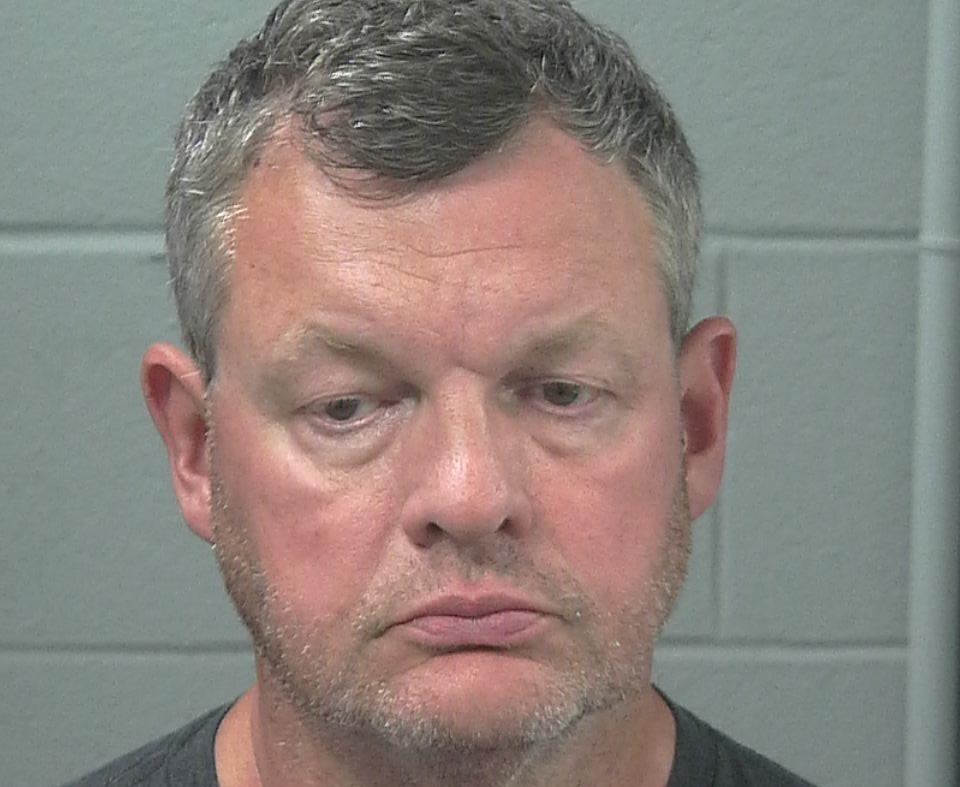
Before his arrest, Merrill worked at the Mountain View Correctional Facility in Charleston and Downeast Correctional Facility in Machiasport.
Merrill is accused of using state-issued credit cards from March 2014 until his arrest to pay five Florida-based companies for maintenance supplies. Prosecutors said that, while the payments totaled more than $2 million, very few products actually arrived at the Maine facilities.
Most of the payments were “structured to avoid scrutiny,” Assistant Attorney General Charlie Boyd said in court. He said Merrill made over 500 purchase orders under the cards’ $5,000 limit. Prosecutors described the purchases as bribes. Boyle said during the hearing Monday that the companies were all registered to the same person, who allegedly paid Merrill in hundreds of transactions on PayPal and Zelle from 2017 to 2023.
Boyle said Merrill “used every dollar for his own purposes.”
Both prosecutors and Merrill’s attorney, Walter McKee, agreed that Merrill will still receive his retirement pension so he can pay the proposed restitution, which prosecutors described as “in the six figures.” Restitution will be determined at his sentencing in May.

Comments are not available on this story. Read more about why we allow commenting on some stories and not on others.
We believe it's important to offer commenting on certain stories as a benefit to our readers. At its best, our comments sections can be a productive platform for readers to engage with our journalism, offer thoughts on coverage and issues, and drive conversation in a respectful, solutions-based way. It's a form of open discourse that can be useful to our community, public officials, journalists and others.
We do not enable comments on everything — exceptions include most crime stories, and coverage involving personal tragedy or sensitive issues that invite personal attacks instead of thoughtful discussion.
You can read more here about our commenting policy and terms of use. More information is also found on our FAQs.
Show less