
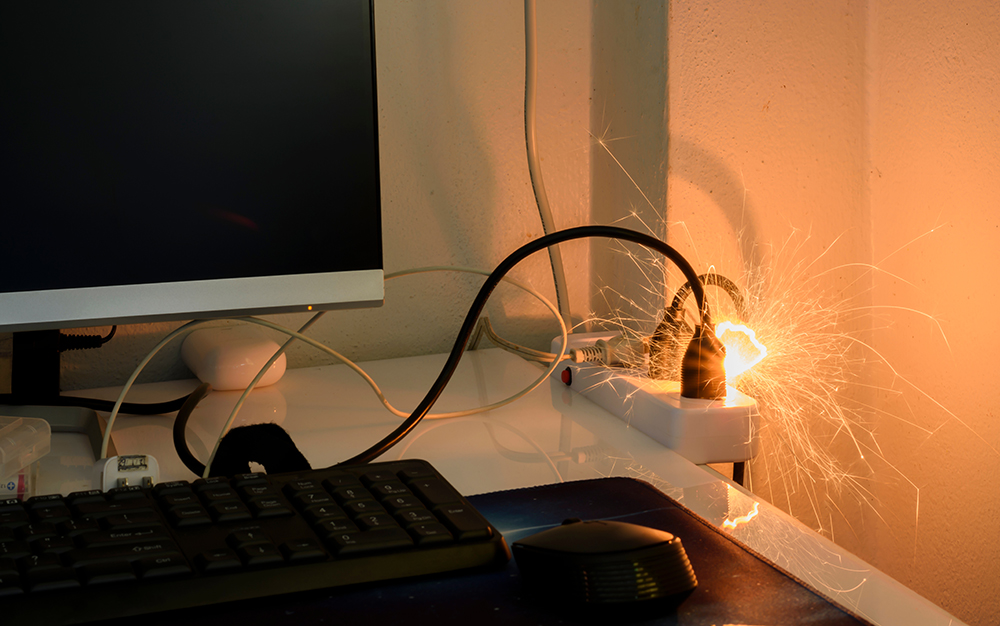
Homeowners know that the work of maintaining a home is never done. And when something goes awry with a home’s electrical components, they may need to act fast to restore things to proper working order. Certain electrical problems are common in residential homes. Even homeowners with do-it-yourself skills should bring in an experienced electrician when their homes develop electrical problems, as electricity is nothing for novices to play with. With that in mind, homeowners can keep an eye out for these four signs of potential electrical hazards when working around the house.
1) Tingling when touching an electrical appliance.
The National Fire Protection Association (NFPA) advises people to call a qualified electrician immediately if they experience a tingling feeling when touching an electrical appliance. The Electrical Safety Office notes experiencing a tingle or the feeling of being shocked is not normal. People who experience such a feeling should avoid the location and warn others in the home to do the same.
2) Wall outlets that look or feel unusual.
Wall outlets do not garner much attention, as many are low enough to be out of sight or even behind furniture. So a cleaning session might be the only time home occupants will notice issues with wall outlets. The NFPA notes discolored outlets or outlets that feel warm to the touch is a sign of an electrical problem. Various issues can cause outlets to look or feel unusual. An outlet could be short-circuiting or wires could be damaged, and each issue merits the attention of a qualified electrician.
3) Foul odors.
An odor that calls to mind burning rubber is another indicator of an electrical problem. Various electrical experts indicate such odors can be indicative of damaged wiring, an overloaded circuit or loose connections, each of which poses a significant safety hazard. The NFPA urges homeowners or renters to contact property management or a qualified electrician immediately if they sense a smell of burning rubber in their homes.
4) Flickering lights.
Homeowners won’t need to wait until a vacuuming session to notice flickering lights. Such flickering is hard to miss regardless of what residents are doing inside a home. Sometimes lights flicker because of a loose bulb, so homeowners who notice flickering should first turn off the light, let the bulb cool down if need be and then check to make sure it is not loose. If the bulb isn’t loose, then lights could be flickering for a multitude of reasons. A loose connection can cause flickering, as can an overloaded circuit.
People also may not realize that not all bulbs and dimmer switches are designed to work together. For example, modern LED light bulbs often require the installation of specific dimmer switches or the lights won’t operate properly. Flickering can result if these products are not compatible. If a home is old, then flickering lights could be due to old wiring that needs to be replaced.