
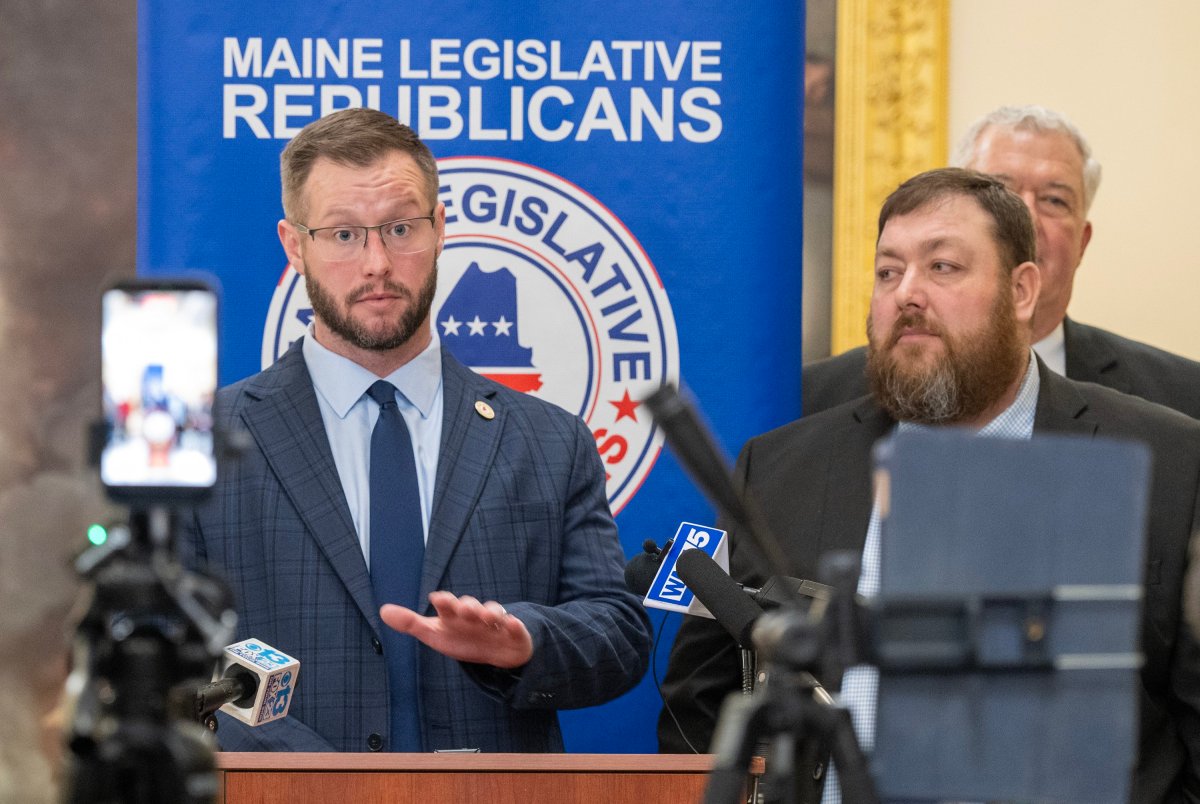
The Legislature on Tuesday will debate a proposed referendum on transgender athletes in school sports in what’s likely to be a contentious public hearing.
Lawmakers from both the House and the Senate are set to hear a measure titled An Act to Designate School Sports Participation and Facilities by Sex at the 9 a.m. meeting of the judiciary committee.
The measure would restrict transgender athletes from participating in school sports or from using restrooms that align with the student’s gender identity. Participation in sports and use of restrooms would be based on gender assigned to a student at birth.
The public hearing is a step in the ballot referendum process. Earlier this year, conservative activists gathered enough signatures to bring the matter before voters. But lawmakers first have the opportunity to pass the policy into law.
Secretary of State Shenna Bellows released the ballot referendum’s wording earlier this month. The question before voters will read:
“Do you want to change civil rights and education laws to require public schools to restrict access to bathrooms and sports based on the gender on the child’s original birth certificate and allow students to sue the schools?“
Conservatives have criticized Bellows for making the question too confusing. The Secretary of State’s office is hearing comments on the ballot language until May 7 and could alter the language.
Tuesday’s legislative hearing will be livestreamed here starting at 9 a.m.
Comments are not available on this story. Read more about why we allow commenting on some stories and not on others.
We believe it's important to offer commenting on certain stories as a benefit to our readers. At its best, our comments sections can be a productive platform for readers to engage with our journalism, offer thoughts on coverage and issues, and drive conversation in a respectful, solutions-based way. It's a form of open discourse that can be useful to our community, public officials, journalists and others.
We do not enable comments on everything — exceptions include most crime stories, and coverage involving personal tragedy or sensitive issues that invite personal attacks instead of thoughtful discussion.
You can read more here about our commenting policy and terms of use. More information is also found on our FAQs.
Show less