

The Wabanaki Nations have lost their final opportunity under Gov. Janet Mills to secure long-sought reforms that would allow them to govern themselves in a manner similar to the other 571 federally recognized tribes in the U.S.
Sweeping changes to Maine’s decades-old land claims settlement implementing act — more widely known as sovereignty legislation — were scuttled during the last legislative session of Mills’ eight-year tenure. Those proposals will have to wait until a new governor and Legislature take office next year.
But the 132nd Legislature, which concluded Tuesday, was not entirely a bust for the Houlton Band of Maliseet Indians, the Mi’kmaq Nation, the Passamaquoddy Tribe and the Penobscot Nation.
Tribes secured tax breaks for their members and businesses, won the right to administer conservation easements and created a Wabanaki studies specialist position within the Department of Education. And next year, the Mi’kmaq Nation will be able to join the other nations and send a non-voting representative to the Legislature.
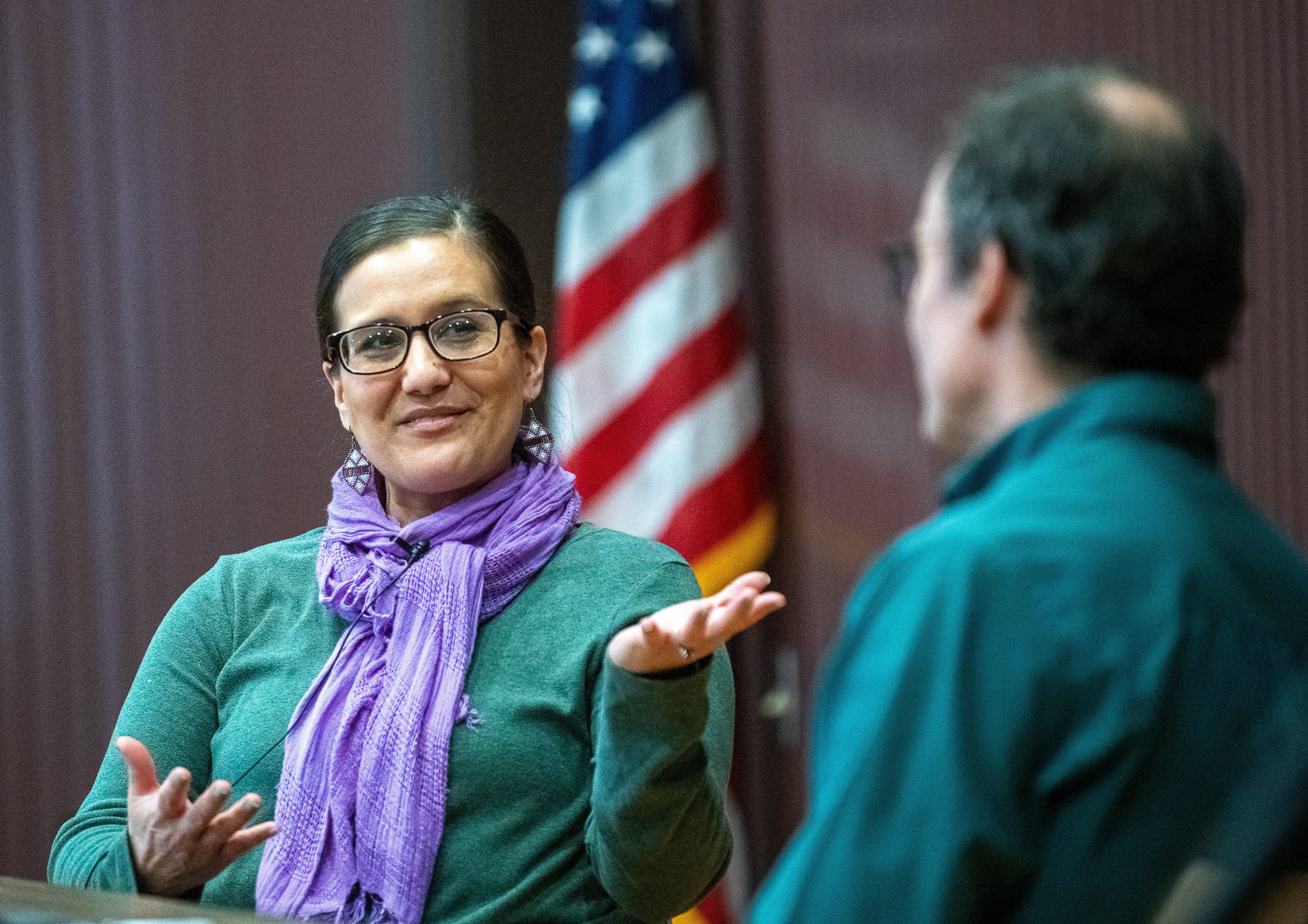
“These last few sessions have been some significant smaller wins for Wabanaki people,” said Maulian Bryant, executive director of the Wabanaki Alliance, a coalition-based advocacy group. “And going forward, we definitely have the framework, and we have a lot of great allyship around the state to move the larger pieces of work in the future.”
Mills and the tribes ended the previous legislative session in June on a sour note when the governor vetoed a bill that would have barred the state from seizing tribal lands through eminent domain.
She called the bill a “solution in search of a problem.”
But the relationship took a positive turn in January, when Mills swallowed her concerns and, at the urging of tribal chiefs, allowed a bill to become law (without her signature) giving the tribes exclusive rights to operate internet gaming in Maine.
“The Governor thanks the Tribal leaders and is deeply appreciative of all they have done with her to improve the Tribal-State partnership during her time in office,” Mills’ spokesman Ben Goodman wrote in an emailed statement.
Here’s a look at the priorities tribal leaders and their allies accomplished, and a few they’ll take up next year.
WABANAKI STUDIES SPECIALIST
Top of mind Thursday for Bryant was the success of LD 1474, signed Thursday, which creates and funds an ongoing position within the Department of Education for a Wabanaki Studies specialist.
Maine passed a law in 2001 requiring public schools to teach students about Wabanaki Nations and culture. But compliance has remained largely out of reach without available resources from the state.
Environmental groups and Wabanaki Alliance allies rallied in support of the bill, which passed both chambers last year but was not funded until this week.
“That’s a great example of how coalition-building can really have a positive impact on law-making,” Bryant said.
LAND CONSERVATION AND PARK ACCESS
The Alliance is counting a bill that tinkered with law governing conservation easements as a win as well.
LD 1054, signed earlier this month, empowers tribal governments to administer conservation easements. The move aligns with a policy recommendation made by a left-leaning think tank late last year advocating for the return of land to tribal control.
Under another law signed this week, tribal members in Maine will no longer have to pay admission fees when visiting state parks.
SOVEREIGNTY AWAITS
Resistance from the governor’s office dramatically reshaped two bills that, as initially drafted, would have made a wide array of changes to the 1980 settlement that largely dictates state-tribal relations.
Mills has throughout her two terms opposed the kinds of changes that would cede some of the state’s authority and empower the tribes to govern themselves in a manner reflective of the other 571 federally recognized tribes.
As first drafted, those bills — LD 395 and LD 785 — would have made federal Indian laws broadly applicable in Maine going forward and implemented recommendations from a task force to repeal restrictions on tribal land acquisition and expand tribal authority over hunting and fishing on their lands.
Instead, the version of LD 395 that was signed into law will form a working group to reexamine how to make federally beneficial Indian law applicable in Maine.
The version of LD 785 signed by Mills will exempt tribal members who work for their government from income tax, regardless of whether they live on a reservation; exempt new manufactured homes on tribal lands from sales tax; and expand a sales tax exemption from tribal trust land (which the federal government legally owns) to certain fee lands, which the tribes own outright.
The state is expected to lose about $460,000 due to the tax breaks in the 2027-28 fiscal year.
MI’KMAQ NATION GETS A SEAT IN LEGISLATURE
The law also give’s the Mi’kmaq Nation a tribal representative in the Legislature, something the other three tribes already have. Although tribal representatives are not able to vote on the floor, they can vote in committee and sponsor legislation.
To Mi’kmaq Chief Sheila McCormack, a seat in the Legislature is a statement: “Our voice does matter.”
“It gives us a position to bring in our own unique voice,” added Vice Chief Teresita Hamel, noting that the tribe’s needs in its service area — all of Aroostook County — can differ from those of other, more centralized tribal nations.
The two pieces of legislation signed this week are “not bad” Bryant said.
But she and tribal leaders are looking to the next session — and a new governor — to make big changes.
Reuben M. Schafir is a Report for America corps member who writes about Indigenous communities for the Portland Press Herald.

We invite you to add your comments. We encourage a thoughtful exchange of ideas and information on this website. By joining the conversation, you are agreeing to our commenting policy and terms of use. More information is found on our FAQs. You can update your screen name on the member's center.
Comments are managed by our staff during regular business hours Monday through Friday as well as limited hours on Saturday and Sunday. Comments held for moderation outside of those hours may take longer to approve.
Join the Conversation
Please sign into your CentralMaine.com account to participate in conversations below. If you do not have an account, you can subscribe here. Questions? Please see our FAQs.