

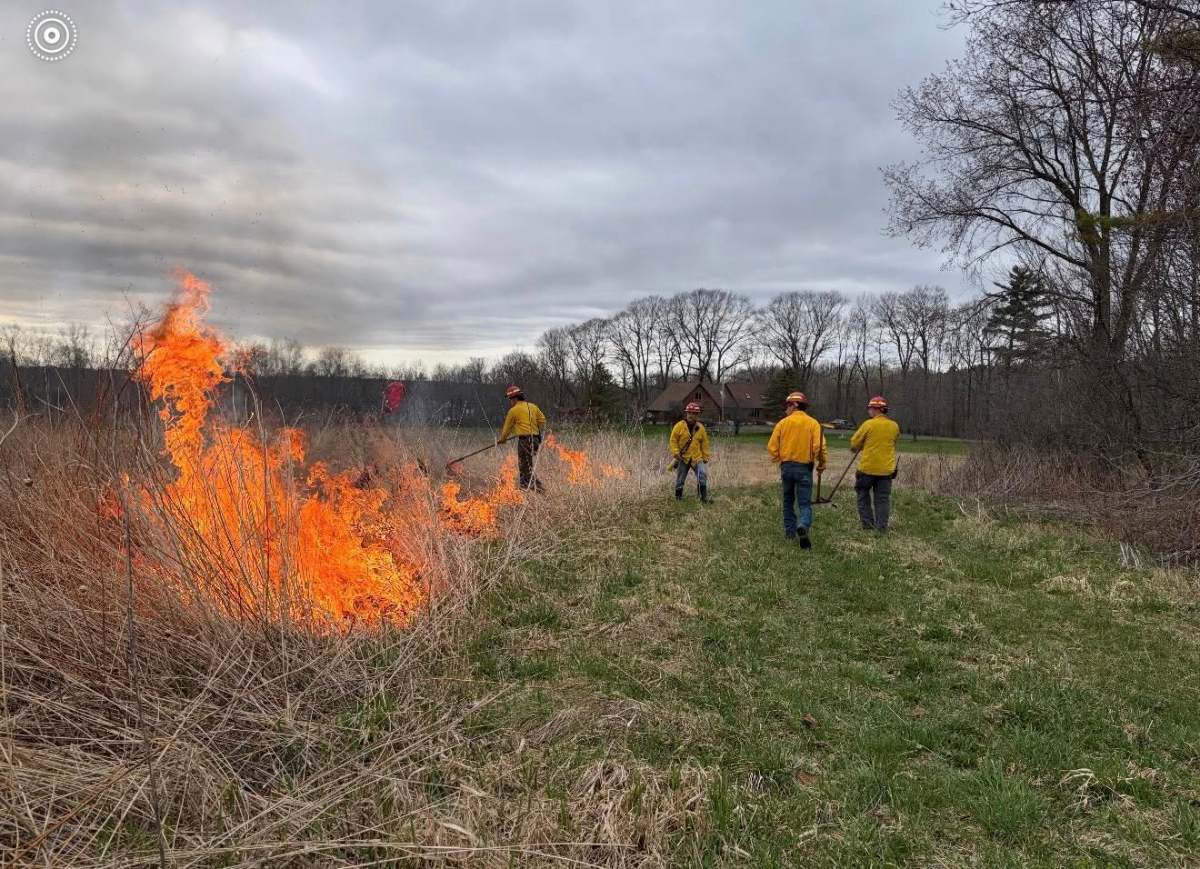
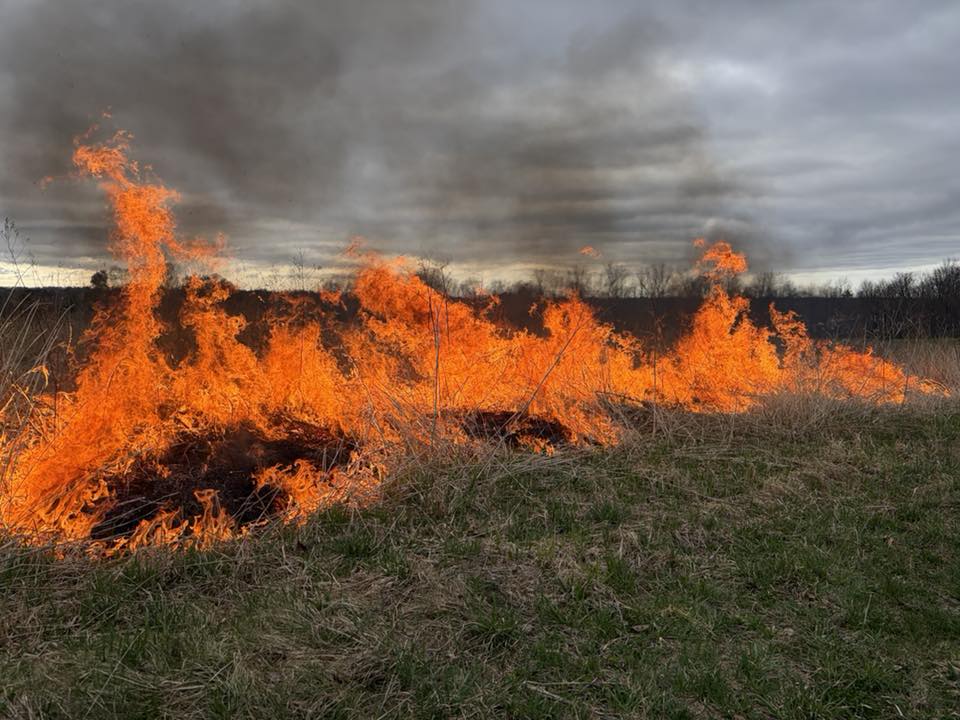
Despite its rainstorms, mud and morning dew, spring in Maine can be one of the driest times of year. As yard work season gets underway, this means brush fires, and lots of them.
This year, Maine has seen more than 115 wildfires, burning more than 70 acres, according to Terri Teller, a forest fire prevention specialist with the Maine Forest Service. Seventy-six of these fires occurred in April, and 40% were caused by debris and open burning.
This is pretty normal. April brings a lot of fires because, even when the ground is wet, leaves, pine needles, grass and hay are abundant and dry out quickly in spring sunshine or wind. These are called one-hour fuels, meaning they can be dry enough to ignite after about an hour of exposure.
Spring is also a popular time for burning debris, such as dead leaves. Burns in Maine always require a permit, from the state or town, and permits are issued when weather conditions indicate a low or moderate fire risk.
The permit system shuts down on days when fires could spread quickly and be difficult for firefighters to extinguish, and towns often only allow burn permits after 5 p.m., when volunteer firefighters are home from work. Town fire wardens have access to the state permitting system, and can always override or limit permits due to local weather or staffing concerns.
Vassalboro issued around 700 burn permits last year, Fire Chief Walker Thompson said. On Saturday alone, it issued about 20. Vassalboro only issues permits after 5 p.m. on weekdays, and permits are dependent on the forest service’s weather announcement, which comes daily around 9 a.m.
Permits are required for all burns that are more than 3 feet wide or 3 feet tall, even if you’re just trying to roast marshmallows. Thompson said it can sometimes be frustrating for people who planned to burn on a day when the weather turns dangerous. He said he does his best to accommodate people, but safety comes first.
“Fire can be a scary thing,” Thompson said. “It’s unpredictable.”
Fighting brush fires is a whole different beast than fighting house fires, Thompson said. It requires a wealth of resources to fight blazes that can change with the wind at any time.
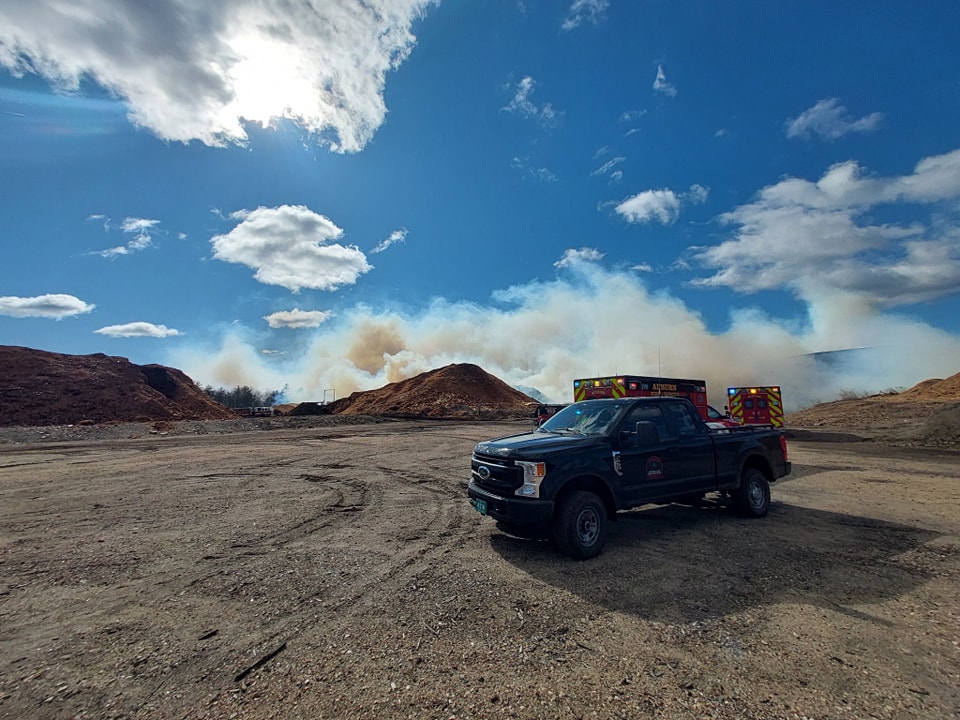
Thompson said his and other local fire departments rely on mutual aid to deal with longer-term brush fires because they can go on for days, exhausting whole crews. Vassalboro has worked with Winslow, China and Augusta on big fires.
“The good part is, if we need them, they’re there,” Thomson said. “Same goes for them.”
State forest rangers will also assist towns fighting large brush fires, including through aerial support from helicopters, Teller said.
Preventing Wildfires
The biggest factor in keeping fires under control, besides using burn permits, is making sure they’re fully extinguished. This is harder to do in dry conditions, because fire can travel underground through root systems, surviving for days or even months before reigniting.
For safe burns, Teller recommends clearing flammable material from around a burn pit, keeping fires small even if it means making several, and having water and tools on hand to extinguish the fire. Soaking the area around the fire before burning can also help.
“If conditions change,” Teller said, “it’s a lot easier to put out a small fire, a small pile, than it is a larger one.”
So far this year, Thompson said Vassalboro has not seen any wildfires, but it can expect anywhere from three to five or even 10 annually. These could be caused by cigarettes and power lines as well as debris burns.
Teller recommends people call firefighters if they can’t stop the spread of embers from their burn, or if the ground around their burn catches fire.
Impacts from a Drought
Burning this year carries extra risk, because Maine experienced a drought in 2025 and is still in a rainfall deficit. This means the duff layer on the ground — dead and decomposing material on the forest floor — has less moisture than usual and there’s more dead matter in general.
During late summer and early fall last year, drought conditions caused even small trees and limbs to begin drying out, and all of this has contributed to a dry start to 2026.
On Saturday evening, Thompson’s department did its annual brush fire training.
This week marks Wildfire Awareness Week in Maine. As wildfire season ramps up, Gov. Janet Mills encouraged residents and visitors to remain “vigilant, informed and proactive in wildfire prevention efforts.”
Fire season peaks from mid- to late-April through May, with later peaks happening farther north.

We invite you to add your comments. We encourage a thoughtful exchange of ideas and information on this website. By joining the conversation, you are agreeing to our commenting policy and terms of use. More information is found on our FAQs. You can update your screen name on the member's center.
Comments are managed by our staff during regular business hours Monday through Friday as well as limited hours on Saturday and Sunday. Comments held for moderation outside of those hours may take longer to approve.
Join the Conversation
Please sign into your CentralMaine.com account to participate in conversations below. If you do not have an account, you can subscribe here. Questions? Please see our FAQs.