


Housing — how to build more of it, how to make it more affordable, how to keep people in it — has been a priority for Maine lawmakers year after year, as high costs and low inventory keep the state embroiled in a stubborn housing crisis. This year was no exception.
Lawmakers this session considered a multitude of housing bills, weighing in on changes to funding for affordable housing, mobile home parks, construction costs and modular housing, among other topics.
Here are a few that passed, a few that didn’t and a few that are in limbo.
THE WINNERS
Over the last few years, many of the state’s housing laws have centered around land use, density and zoning.
This session, lawmakers again took up the issue, this time clarifying or rolling back some freedoms that had been loosened.
LD 2173, a “fix it” bill sponsored by Rep. Amanda Collamore, R-Pittsfield, pushed back the implementation date for a law meant to encourage more accessory dwelling units by a year, to next July. It also reintroduced growth caps — ordinances used by municipalities to keep growth from exceeding a certain rate — that were removed last session and relaxed restrictions on minimum lot sizes.
Mobile home parks have been another hot-button issue.
Legislators again passed a number of measures to strengthen protections for park residents, who are increasingly facing steep lot rent hikes as their parks are sold to out-of-state corporations.
One such change is allowing mobile homeowners to take out or convert to traditional mortgage loans, rather than the personal property or “chattel” loans historically used for manufactured housing that typically have shorter terms and higher interest rates.
It’s estimated that a standard mortgage loan could save park residents several hundred dollars per month.
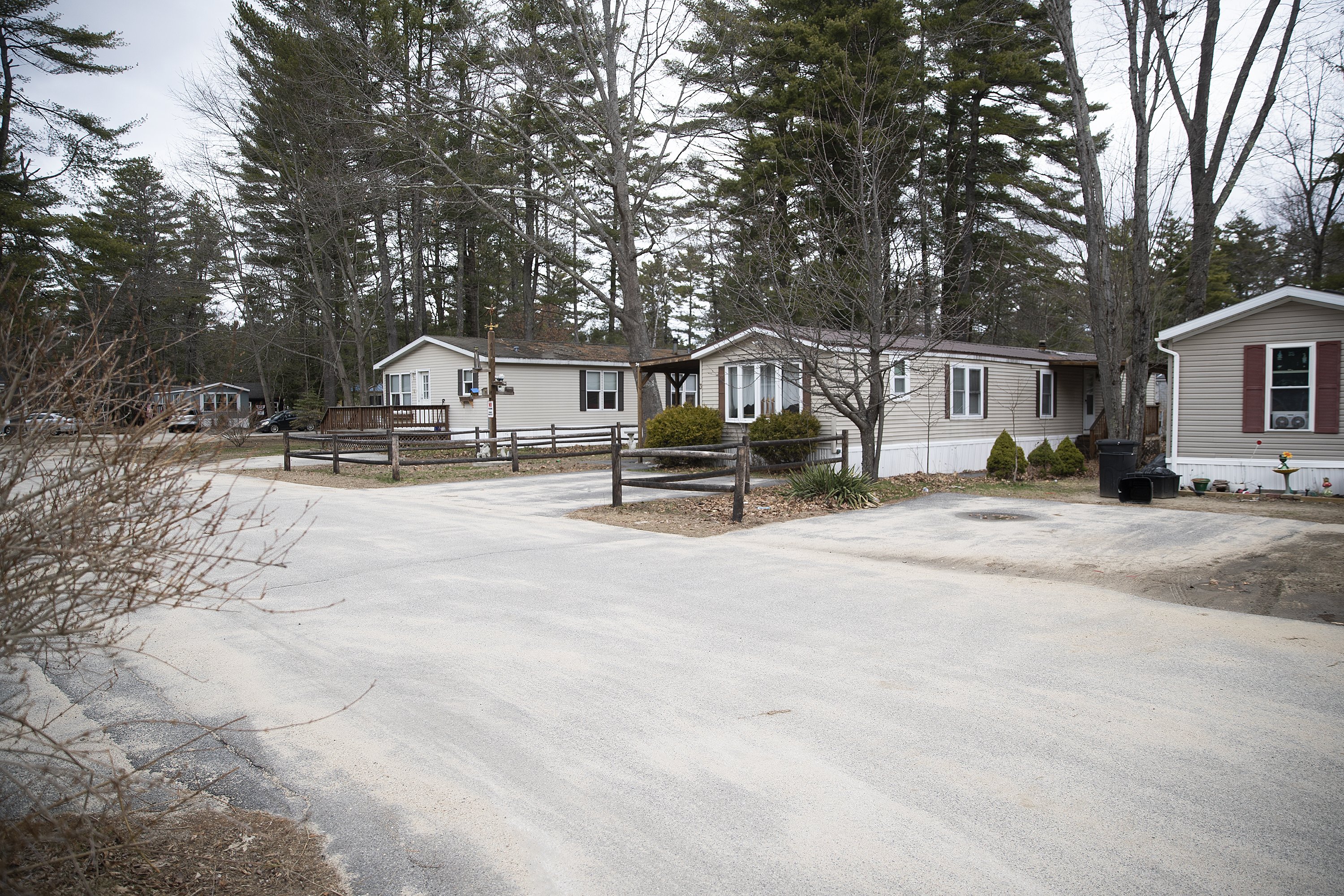
The bill, LD 2231, also stipulates that a mobile home park owner cannot raise lot rent more than once per calendar year, and that if residents request mediation with the park owner following a proposed increase, the park owner can’t require non-discloure agreements as part of the mediation process.
Another mobile-home related bill, LD 2149, clarifies several provisions of laws passed the previous session, including that the sale of a mobile home park includes the sale of ownership interests in the park and not just the sale of the real estate. It’s a loophole that according to Sen. Cameron Reny, D-Lincoln, a park owner in Arundel exploited by selling a park through the transfer of ownership interests instead of a deed and therefore shirking both a required transfer fee and the requirement to offer residents the right of first refusal.
Other bills that passed include the loosening of some requirements and red tape around construction to lower costs, as well as changes to give MaineHousing more flexibility in how it finances projects.
Lawmakers also approved a measure to increase the cap on bonds issued by MaineHousing from $3 billion to $4 billion in response to the state’s desperate need for more housing and the increased costs of both buying and building. They also voted to extend the Maine Affordable Housing Tax Credit Program, which was set to expire at the end of 2028, to 2036. The state program invests $10 million per year to preserve and create homes for low-income families, seniors and rural households.
IN LIMBO BECAUSE OF FUNDING
Despite legislative support, some bills that require funding could still languish on the appropriations table.
Lawmakers, for example, backed a bill to direct MaineHousing to provide grants up to $15,000 to help new homeowners offset the cost of a downpayment or secure a lower mortgage rate.
Lowering the interest rate from 6% to 5% on a $300,000 mortgage would save Maine homeowners nearly $200 a month, or close to $170,000 over the life of the loan, according to Rep. Wayne Farrin, D-Jefferson, who sponsored LD 2077.
“These aren’t handouts, they’re strategic investments,” he said in his testimony introducing the bill.
But the $20 million needed to support those investments is a tough sell, and the proposal is still awaiting funding.
A bill to help municipalities turn vacant school buildings into housing also received the green light from lawmakers, but the $5 million price tag could keep it from going further.

Sponsored by Rep. Traci Gere, D-Kennebunkport, LD 2164 would establish the Vacant School Housing Conversion Program within the Maine Redevelopment Land Bank Authority.
If funded, it could be a win-win for the state, helping the dozens of municipalities currently wrestling with school closures and vacant buildings to boost their housing stock.
Other efforts, like LD 2230, a bill to incentivize industrial housing construction by providing developers grants for housing units and establishing a program to support training efforts for the industry, are also awaiting funding decisions.
MAYBE NEXT YEAR
There were also bills that did not get a ringing endorsement from legislators.
A measure to stand up a housing resolution board — something that has been proposed at least three times in almost as many years — was turned into a study of the issue, then ultimately rejected.
The proposal by Rep. Traci Gere, D-Kennebunk, would have established a way for developers to quickly appeal a local planning board denial if they feel a project is unfairly rejected. It’s an idea that supporters have long said could help ease the housing crisis.
But officials argued that at first, it incorrectly placed the board within the judicial branch, so the study was meant to find other pathways to resolve disputes.
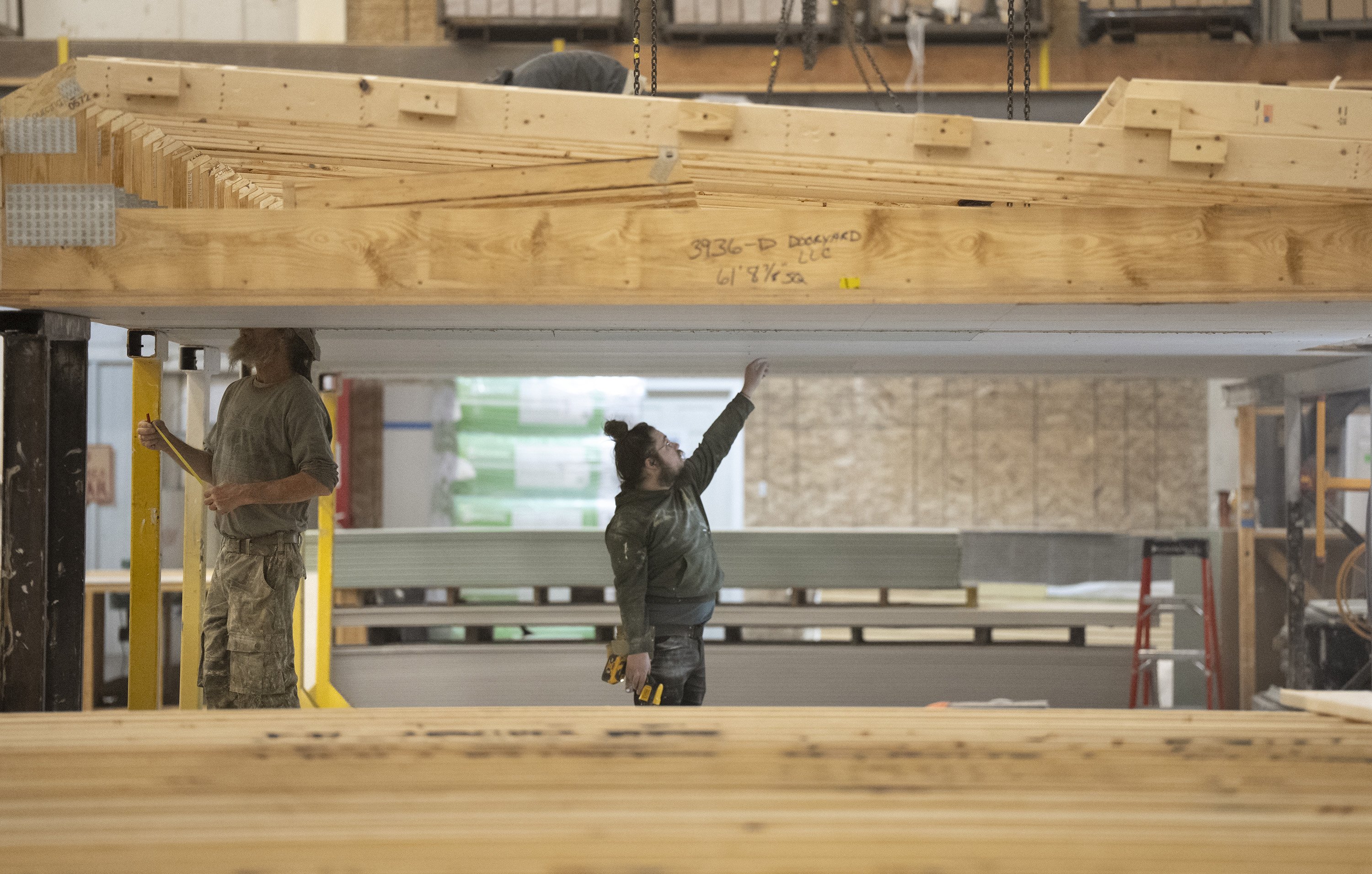
Another bill that didn’t make the cut was LD 2229. It would have made a seemingly small change to an inconsistency in how the state regulates modular housing projects of different sizes.
The late-in-session bill died in committee after supporters failed to effectively lobby for its passage and some trade groups asked that they have more time to work on a solution.
Modular housing developers say the fix proposed in the bill was needed to clarify a gray area that went unnoticed for years, but now threatens to dramatically decrease multi-family modular housing construction in the state just as it was picking up.
Editor’s note: This story was updated on April 21 to reflect that the Maine Affordable Housing Tax Credit Program was extended through 2036.

We invite you to add your comments. We encourage a thoughtful exchange of ideas and information on this website. By joining the conversation, you are agreeing to our commenting policy and terms of use. More information is found on our FAQs. You can update your screen name on the member's center.
Comments are managed by our staff during regular business hours Monday through Friday as well as limited hours on Saturday and Sunday. Comments held for moderation outside of those hours may take longer to approve.
Join the Conversation
Please sign into your CentralMaine.com account to participate in conversations below. If you do not have an account, you can subscribe here. Questions? Please see our FAQs.