
Yes.

The overdose treatment naloxone is less effective in cases where fentanyl has been mixed with nonopioid drugs.
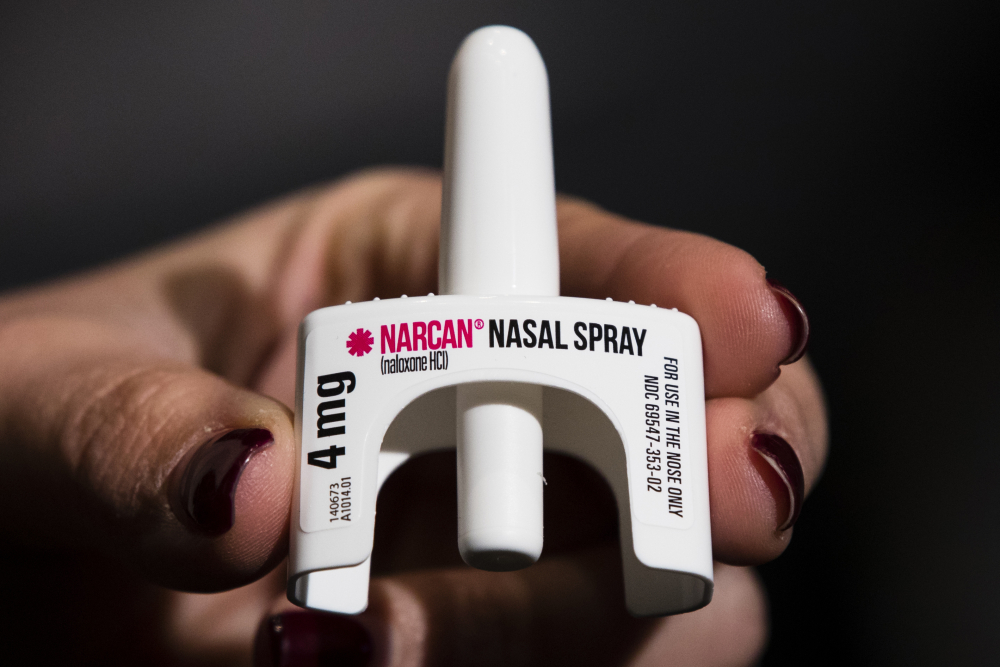
Naloxone, commonly sold as the nasal spray Narcan, works by reversing the effects of opioids, including fentanyl and heroin; it does not reverse the effects of other drugs, such as stimulants and nonopioid sedatives.
The federal Substance Abuse and Mental Health Services Administration says naloxone can still reverse the opioid part of an overdose, but it does not treat the effects of drugs such as benzodiazepines, cocaine or amphetamines.
The same applies to xylazine and medetomidine, nonopioid sedatives sometimes found in illicit drugs. The U.S. Centers for Disease Control and Prevention says naloxone should still be given in any suspected overdose but that it won’t reverse those drugs’ effects.
Portland police warned the community April 26 after seven suspected overdoses in less than 20 hours, urging people to call 911 and administer naloxone.
This fact brief is responsive to conversations such as this one.
The Maine Trust for Local News partners with Gigafact to produce fact briefs — bite-sized fact checks of trending claims. Read our methodology to learn how we check claims.
Sources
- Substance Abuse and Mental Health Services Administration: Opioid Overdose Reversal Medications (OORM)
- U.S. Centers for Disease Control and Prevention: Xylazine
- U.S. Centers for Disease Control and Prevention: Medetomidine in the U.S. Illegal Fentanyl Supply Increasing Risk for Overdose and Severe Withdrawal Syndrome
- Portland Police Department Facebook: Public Safety Alert (April 26)
Comments are not available on this story. Read more about why we allow commenting on some stories and not on others.
We believe it's important to offer commenting on certain stories as a benefit to our readers. At its best, our comments sections can be a productive platform for readers to engage with our journalism, offer thoughts on coverage and issues, and drive conversation in a respectful, solutions-based way. It's a form of open discourse that can be useful to our community, public officials, journalists and others.
We do not enable comments on everything — exceptions include most crime stories, and coverage involving personal tragedy or sensitive issues that invite personal attacks instead of thoughtful discussion.
You can read more here about our commenting policy and terms of use. More information is also found on our FAQs.
Show less