


When Bill Allen helps customers get into rental kayaks and canoes from Sebago Trails Paddling Company in Raymond, he often tells them to stick their hands in the water before they start moving.
“Oh my gosh,” they often say, surprised despite his warnings. “It is cold.”
Spring might have finally arrived in Maine, but inland and coastal waters are still dangerously frigid.
On a single day in May, the state saw two paddling deaths, one a sea kayaker near Deer Isle and the other a paddleboarder on Graham Lake in Ellsworth. Lindsey Chasteen, a spokesperson for the state medical examiner’s office, said cold water could have been a factor, but she was unable to definitely say whether the temperature had an impact in those cases. Officials said they believe neither person was wearing a life jacket.
State officials and people who work in outdoor recreation said they are acutely aware of the risks this time of year, when a warm day can give paddlers and swimmers a false sense of security. The water temperature will still be in the 50s or even 40s for weeks, depending on location.
“It may feel like summer,” Allen said. “But it isn’t summer.”
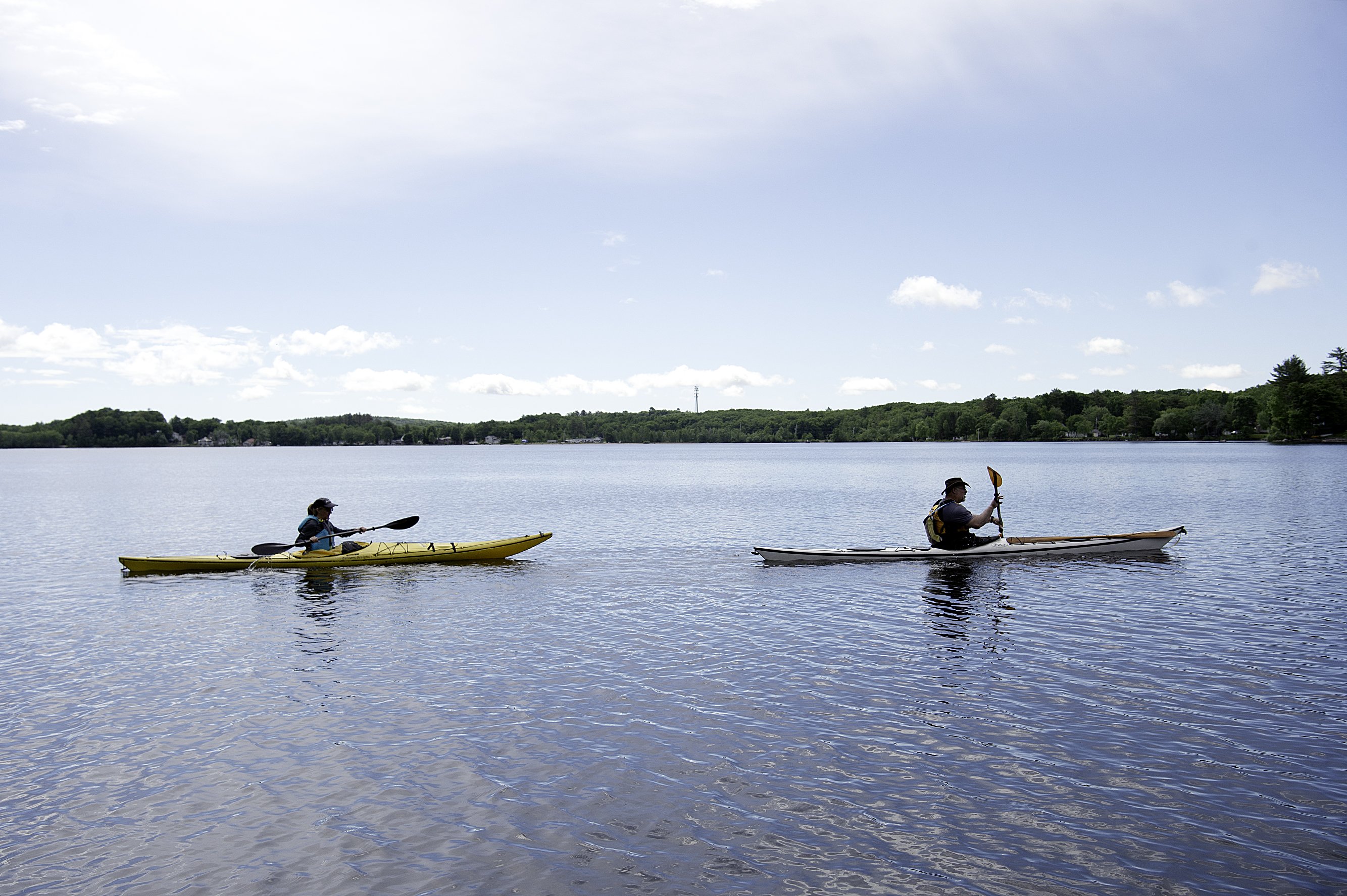
Right now, experts said the first risk is cold water shock. The sudden change in temperature will cause a person to immediately gasp for air, which means they might inhale water and begin to drown.
Michael Daugherty, a registered Maine guide and co-owner of Sea Kayak Stonington, described what he called “the 1-10-1 rule.” He said a capsized paddler has one minute to get control of their breathing, 10 minutes before losing the ability to perform basic functions such as a self rescue and one hour in the water before losing consciousness because of hypothermia. His own interpretation is even more stark.
“You either get out of the water immediately,” he wrote in a recent blog post. “Or your chances are grim.”
An experienced paddler, Daugherty said that he scales back his own adventures at this time of year and wears a dry suit until late June. He won’t rent to a customer until he is confident that they understand and are prepared for the conditions. If he isn’t convinced, he might steer that person toward a guided trip instead of a solo outing.
People can underestimate the risks for many reasons, he said. The water might be calm. Their planned route is short and close to shore. They consider themselves an outdoorsy or fit person.
“Don’t be the person who says, ‘This won’t happen to me,'” Daugherty said. “Be the person who says, ‘This could happen to me, and I want to be ready for it.'”
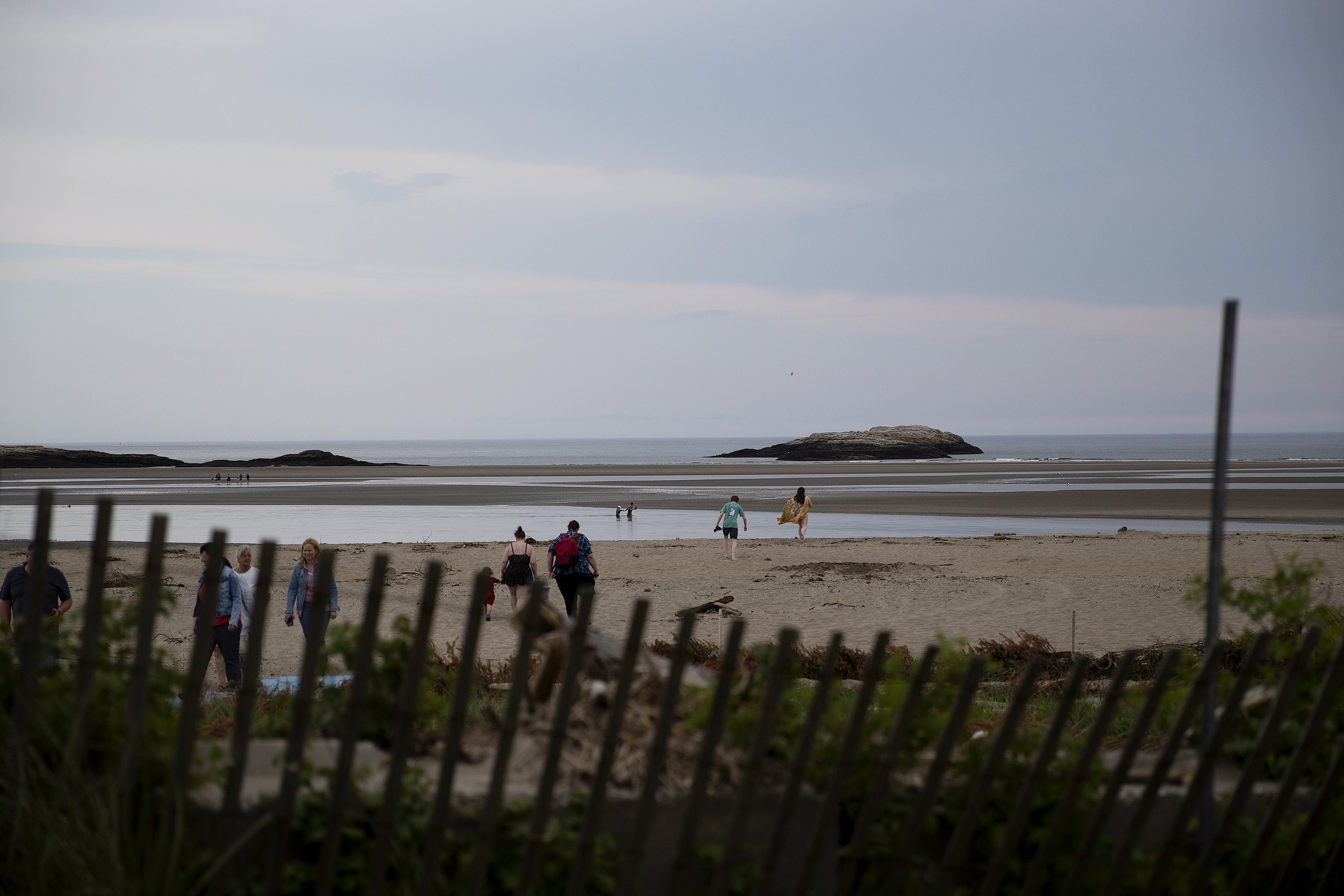
On Sunday, Sean Vaillancourt spotted four young men on an inflatable raft off Popham Beach wearing just swim trunks and no life jackets.
Vaillancourt, the parks manager of Popham Beach State Park and the lifeguard coordinator for all state parks, kept his eyes on the raft until they reached Fox Island at the tip of the beach and gave them a stern talking-to when they returned. The state parks do not allow inflatables.
“Anything inflatable can deflate, and it’s going to do it when you’re way over your head,” Vaillancourt said.
Summer-like temperatures drew people to Popham Beach this week, he said, but lifeguards won’t be there until mid-June. He warned that swimmers are also at risk of cold shock and hypothermia.
“People don’t always realize it right away, especially young children,” he said.
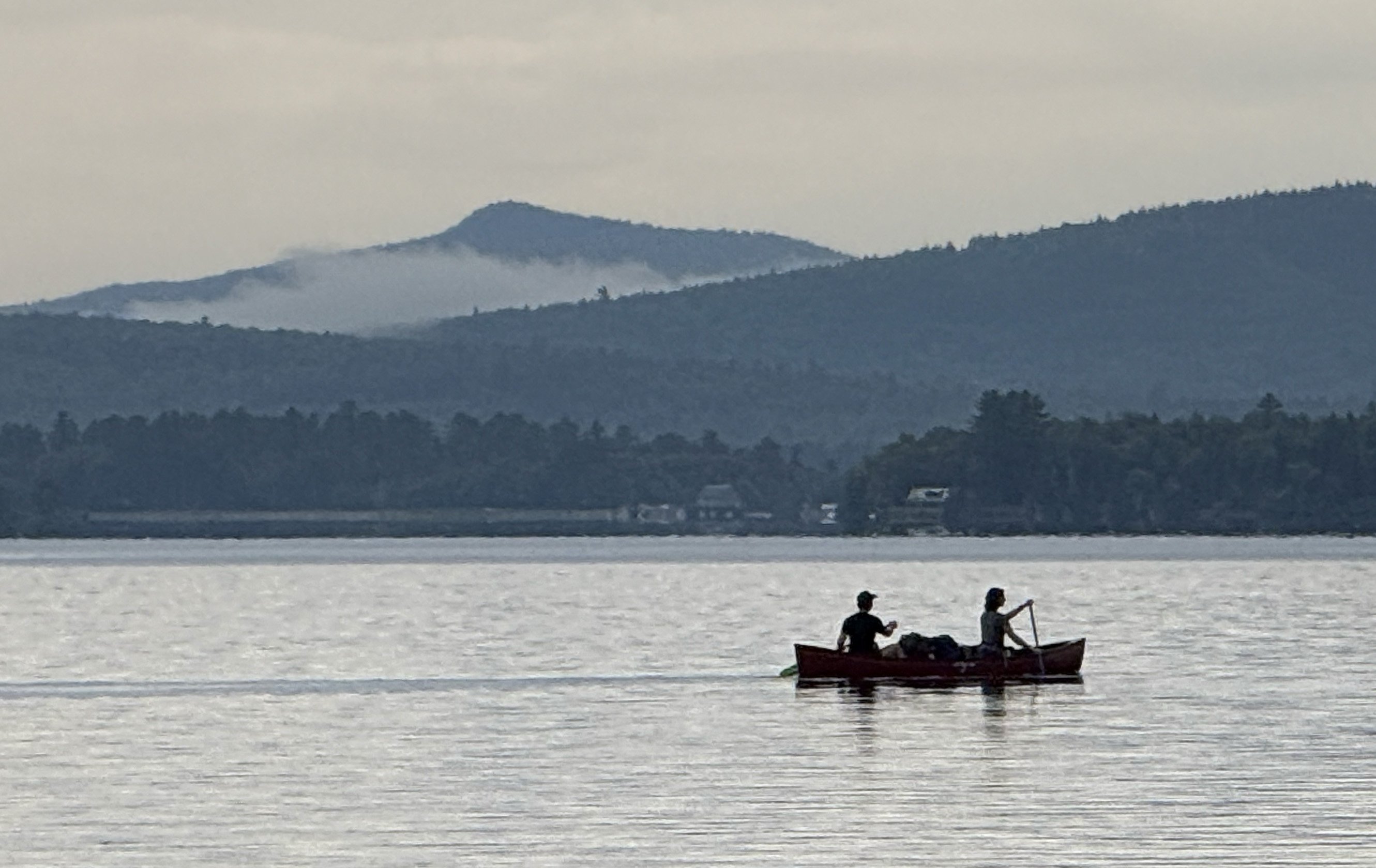
At Sebago Trails Paddling Company, Allen said he will limit guests to a small stream at this time of year instead of allowing them to take a boat onto Sebago Lake. He monitors the water temperature and weather conditions throughout the day and won’t send paddlers onto the lake until the water temperature is at least in the low 60s.
When Allen thinks customers aren’t listening to his warnings, he tells them about people who have died on the water in Maine. He doesn’t want to scare them away, he said, but he does want to make sure they know how to be safe.
“Some people think I’m being melodramatic,” he said, until he tells them to put their hands in the water.
How to stay safe in Maine’s cold water
State officials and outdoor recreation professionals offered practical tips for staying safe in Maine’s cold water. “The best thing you can do is do your due diligence,” Vaillancourt said.
- Check the water’s actual temperature instead of guessing based on the air temperature. Stay on land if you do not have the equipment or the skills for the conditions.
- Monitor the forecast, including the marine forecast. Pay attention to details such as wind direction and speed.
- Always wear a life jacket on a watercraft. At this time of year, wear a dry or wet suit.
- Consider packing a hot drink in a thermos, extra clothes or a blanket in case you need to warm your body.
- If you enjoy paddling, make sure you know how to rescue yourself or others. Take a class with a local company or guide, and look for safe opportunities to practice in pools and on the open water.
- Go swimming or paddling with a buddy. Make sure someone on shore knows where you are going and when you expect to return.

We invite you to add your comments. We encourage a thoughtful exchange of ideas and information on this website. By joining the conversation, you are agreeing to our commenting policy and terms of use. More information is found on our FAQs. You can update your screen name on the member's center.
Comments are managed by our staff during regular business hours Monday through Friday as well as limited hours on Saturday and Sunday. Comments held for moderation outside of those hours may take longer to approve.
Join the Conversation
Please sign into your CentralMaine.com account to participate in conversations below. If you do not have an account, you can subscribe here. Questions? Please see our FAQs.