


Waterville paramedics will soon offer medication treatment to people who are experiencing opioid withdrawal or recovering from an overdose, piloting a harm reduction strategy that could move statewide.
The Waterville Fire Department is one of a handful of EMS agencies in Maine to move forward with a Suboxone pilot program. Suboxone, which contains the pain relief drug buprenorphine, is typically administered to people experiencing acute withdrawal symptoms after a nonfatal opioid-involved overdose.
“People get very, very sick,” said Everett Flannery, deputy EMS chief, during a presentation to the City Council earlier this month. “The problem is, to recover from those withdrawal symptoms is to then use again.”
Buprenorphine treatment has been proven to reduce the risk of a fatal overdose by more than 60%. Amid the ongoing nationwide opioid crisis, Waterville’s first-responders could lead Maine in connecting individuals to withdrawal treatment and recovery resources that address the root causes of opioid use disorder.
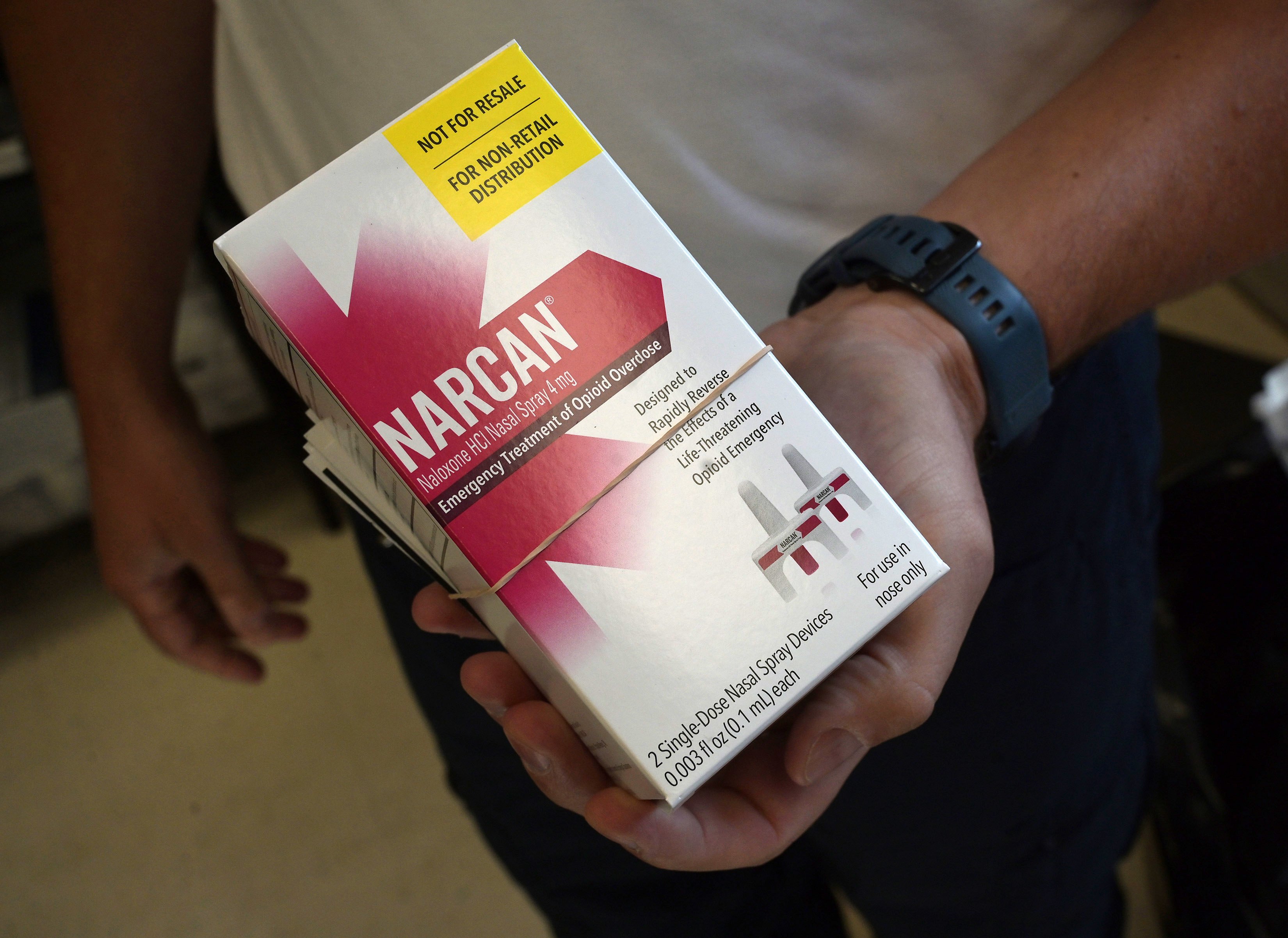
In 2025, Waterville responded to 62 opioid-related overdose calls and administered the drug Narcan, or naloxone, to reverse them. Flannery said it causes individuals to experience rapid withdrawal symptoms: nausea, vomiting, sweating and full-body discomfort.
“Their brains are on fire,” Flannery said.
While 44 of the individuals who overdosed in Waterville were transported to the hospital, where they could receive Suboxone, 18 refused transport. That group is more likely to seek out opioids to relieve withdrawal symptoms.
And the next overdose could be fatal.
Under the pilot program, licensed paramedics will be trained to assess opioid withdrawal symptoms and, with a patient’s consent, administer Suboxone. Flannery hopes the pain relief will help patients think clearly as they discuss treatment resources with Waterville’s community impact team, which sends a social worker, police officer and overdose prevention liaison to overdose scenes.
Maine EMS, the state regulatory body overseeing the Suboxone pilot, requires programs to link individuals to follow-up care within 72 hours. Waterville plans to do it in less. The impact team already has relationships with community members who might otherwise be difficult to reach in the 24 to 48 hours after an overdose.
Dr. Tim Pieh, associate medical director at Maine EMS, told Waterville councilors how rare that is.
“There are 179 paramedic-level agencies in Maine, and five were chosen to pilot,” Pieh said at the council meeting. “And a lot of that is because you have such a good relationship with your impact team … not many cities have that resource. We chose this, amongst four others, to make sure this is possible statewide.
“It’s a real honor for the city.”
Flannery said a box of Suboxone containing 30 tablets costs about $160, which the city’s medical supply budget will cover. He is rounding out Waterville’s referral policies and drug storage registration so the program can launch later this summer.
So far Maine EMS has only granted approval to Westbrook Fire Rescue Department, which plans to launch its Suboxone pilot in mid-July. Steve Sloan, Westbrook’s fire chief, said Biddeford Fire Department, Portland Fire Department, United Ambulance Service and Redington-Fairview EMS are also eyeing programs.
The agencies will report data back monthly to Maine EMS. If the pilots prove successful, they could fold into Maine’s existing harm reduction framework, which aims to reduce the negative consequences associated with drug use by increasing access to treatment and clean syringes.
Fatal drug overdoses in Maine are declining.
Now EMS agencies can help Mainers get through recovery, too.
“When we look at the impact of an opioid addiction, not only is it the impact to that person — it’s the impact to their friends, to their family,” Sloan said. “So if we can change one opioid addiction, that ripple effect across the continuum is going to have a huge impact.
“Our goal right now is to get that first patient.”

Comments are not available on this story. Read more about why we allow commenting on some stories and not on others.
We believe it's important to offer commenting on certain stories as a benefit to our readers. At its best, our comments sections can be a productive platform for readers to engage with our journalism, offer thoughts on coverage and issues, and drive conversation in a respectful, solutions-based way. It's a form of open discourse that can be useful to our community, public officials, journalists and others.
We do not enable comments on everything — exceptions include most crime stories, and coverage involving personal tragedy or sensitive issues that invite personal attacks instead of thoughtful discussion.
You can read more here about our commenting policy and terms of use. More information is also found on our FAQs.
Show less