
 Senator George Mitchell has had a long and distinguished career. He served for several years as Chairman of DLA Piper, now Chairman Emeritus.
Before that he served as a federal judge; as Majority Leader of the United States Senate; as Chairman of peace negotiations in Northern Ireland which resulted in an agreement that ended an historic conflict; and most recently as U.S. Special Envoy to the Middle East.
In 2008 Time Magazine described him as one of the 100 most influential people in the world.
Senator Mitchell is the author of five books. The most recent include, a memoir entitled The Negotiator: Reflections on an American Life, published in May 2015 and A Path To Peace, published in 2016.
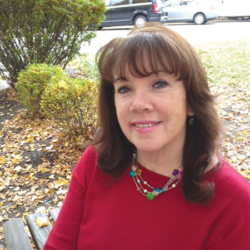 Amy Calder, journalist for the Morning Sentinel, covers Waterville, including city government, and writes a column, “Reporting Aside,” which appears Mondays in both the Sentinel and Kennebec Journal.
Calder, who lives in Waterville, has worked at the newspaper 29 years, including a stint as bureau chief for the Somerset County Bureau in Skowhegan, and has covered a variety of beats.
A Skowhegan native (who is proud to say she was born in Waterville), she holds a bachelors in English from University of Hartford and completed post-graduate work in the School of Education at University of Massachusetts at Amherst. She holds more than a dozen awards from the Maine Press Association and New England Associated Press News Executives Association.
Calder lives in Waterville with her husband, Philip Norvish, a retired Sentinel reporter and editor.
Comments are not available on this story. Read more about why we allow commenting on some stories and not on others.
We believe it's important to offer commenting on certain stories as a benefit to our readers. At its best, our comments sections can be a productive platform for readers to engage with our journalism, offer thoughts on coverage and issues, and drive conversation in a respectful, solutions-based way. It's a form of open discourse that can be useful to our community, public officials, journalists and others.
We do not enable comments on everything — exceptions include most crime stories, and coverage involving personal tragedy or sensitive issues that invite personal attacks instead of thoughtful discussion.
You can read more here about our commenting policy and terms of use. More information is also found on our FAQs.
Show less