


Tribal governments give away hundreds of turkeys each November.
Reuben M. Schafir
Staff Writer
Reuben, a Bowdoin College graduate and former Press Herald intern, returned to our newsroom in July 2025 to cover Indigenous communities in Maine as part of a Report for America partnership. Reuben was most recently working in Southwest Colorado, where he covered county government, the environment, public health and politics.

Posted inLocal & State, Schools and Education
Tori Hildreth connects Old Town students with careers and clothes
The Jobs for Maine Graduates instructor runs a free thrift store at the high school and is working to make Wabanaki studies more accessible.
advertisement
Posted inHealth, Local & State, News
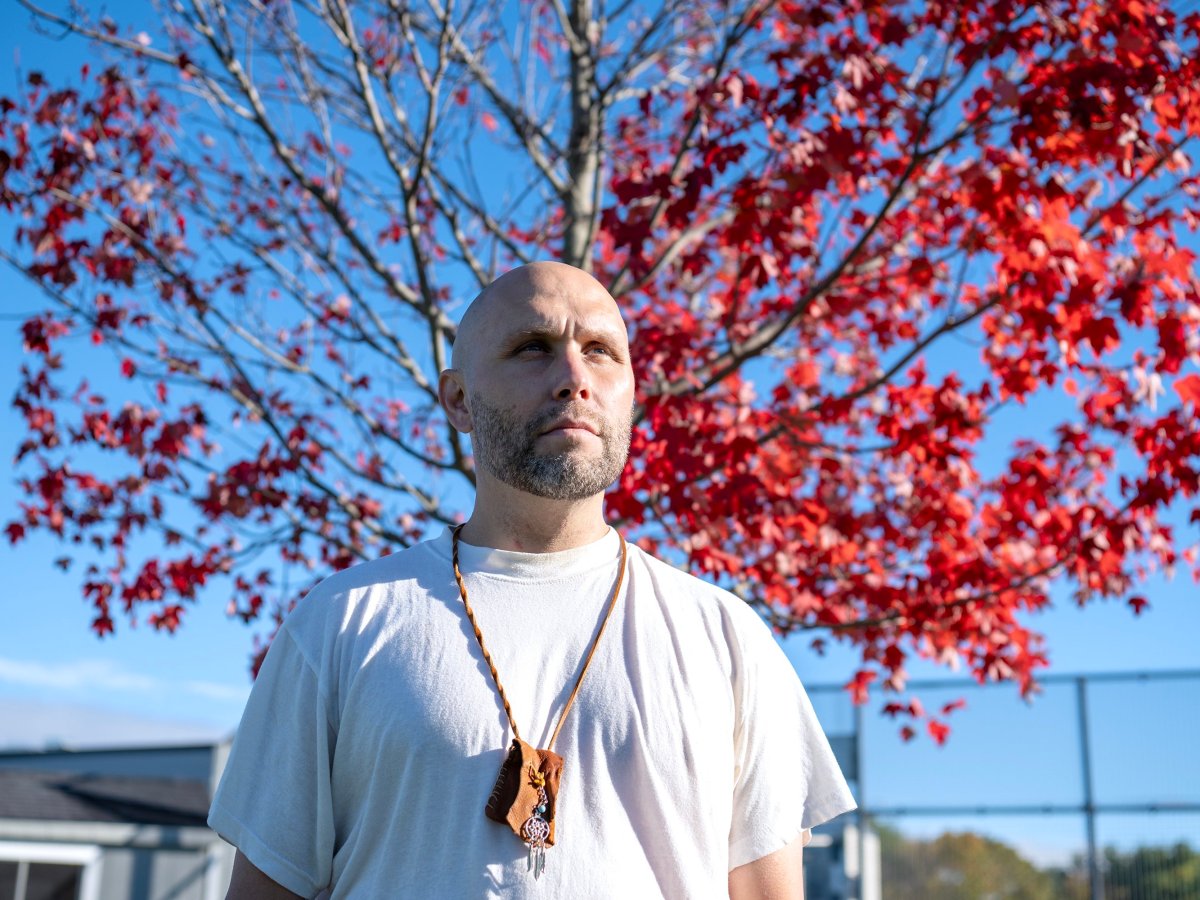
In Maine prisons, Native American sweat lodges are part of the program
A Passamaquoddy elder has led over 100 sweats for inmates since 2007.

Posted inLocal & State, News
Tribal food pantries look to hunters as SNAP cuts hit home across Maine
Tribes are expanding pantry hours, adding workers and using alternative sources to stock their shelves.
Posted inElections, Local & State, News, Politics
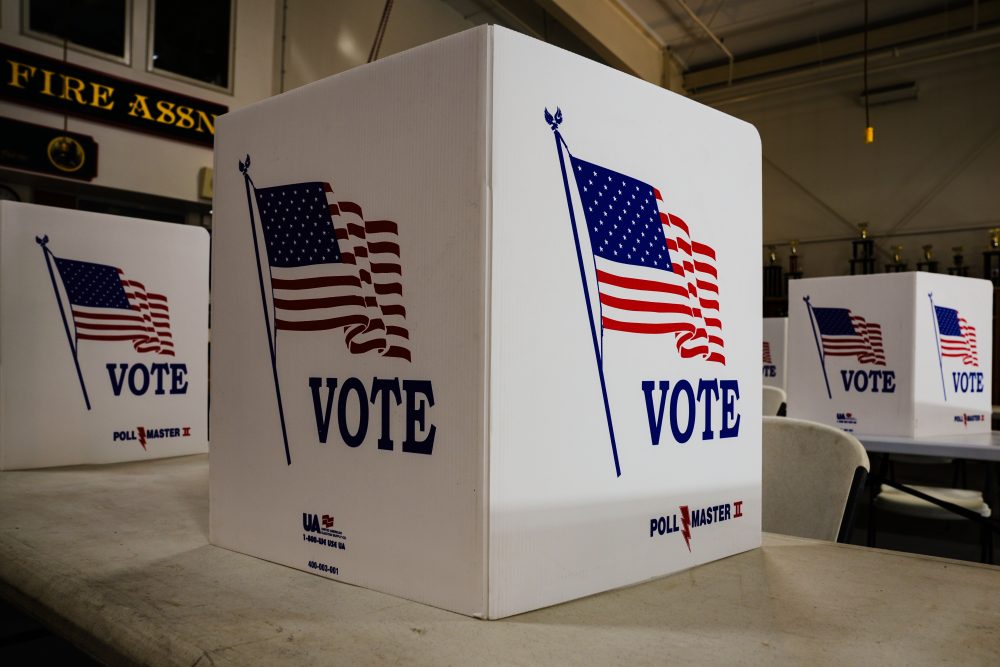
Question 1 would limit access for Indigenous voters in Maine, Wabanaki advocates say
The ballot measure would not allow for use of tribal IDs when voting, creating ‘incongruency’ in the law, according to Maine’s secretary of state.
Posted inBusiness, Local & State, News
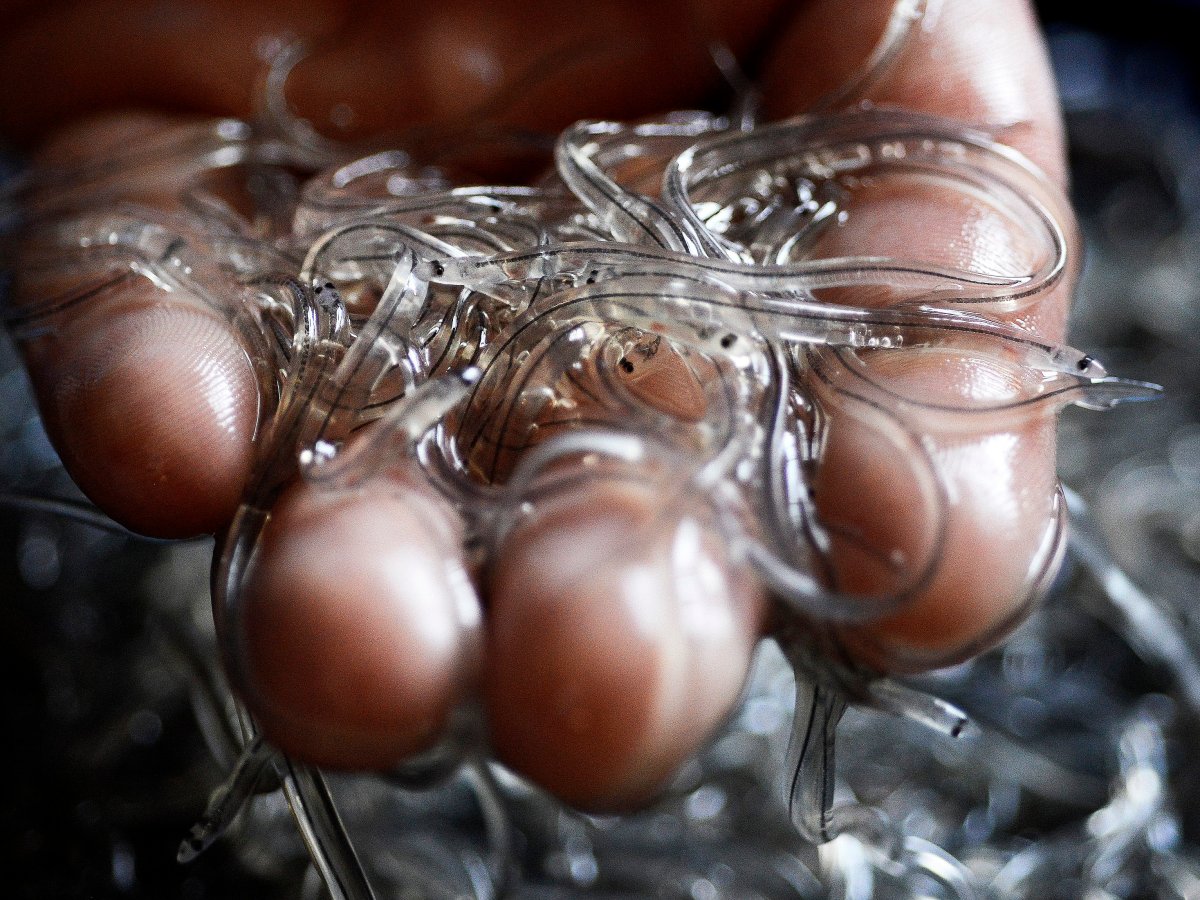
Waldoboro eel operation for sale as part of bankruptcy reorganization
American Unagi short-circuited the eel market when it opened in 2014 and became the first company in the U.S. to grow baby eels to full size.

Posted inBusiness, Local & State, News
The case for Wabanaki land return in Maine outlined in new report
The Maine Center for Economic Policy says the state should pay for the return, or offer co-management, of state land due to uncompensated theft.

Posted inBusiness, Local & State, News
Clean drinking water might be coming to Passamaquoddy reservation. There’s still trust to be built
Residents of Sipayik have endured discolored water and dangerous contaminants for decades.
Posted inArts & Entertainment, Life & Culture, Local & State, News
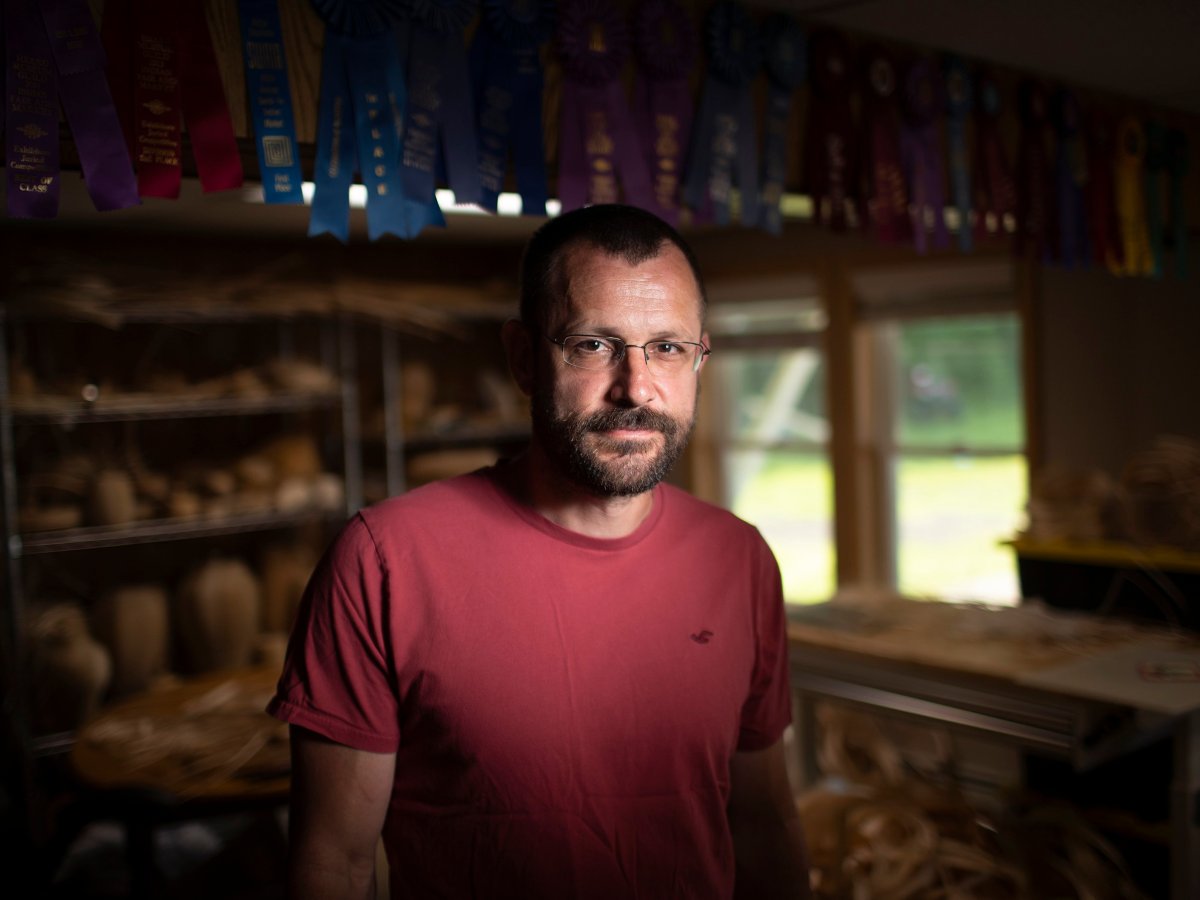
Two Mainers awarded prestigious MacArthur ‘Genius grants’
Jeremy Frey, a Passamaquoddy artist, and Indigenous cartographer Margaret Wickens Pearce both received the $800,000 award.

Posted inBusiness, Local & State, News
In Sipayik, the Passamaquoddy are finding resilience in a half-acre of clams
With one of the largest soft-shell clam gardens in the world, the tribe is confronting invasive crabs and human-caused ecological damage.