

A merger with Energy Emporium increases the Portland renewable company’s presence in northern New Hampshire.
energy

Posted inBusiness, Maine, News
Some Maine heating fuel dealers adding new ‘hazmat’ delivery fee

The fee is not mandated by the local, state or federal governments, nor is it collected by any government.
advertisement

Posted inBusiness, Maine, News, Politics
LePage’s wind energy panel issues report with few findings
The former governor – a longtime foe of wind energy subsidies – created the commission to investigate the impacts of turbines after halting new wind projects in parts of the state.
Posted inBusiness, Maine
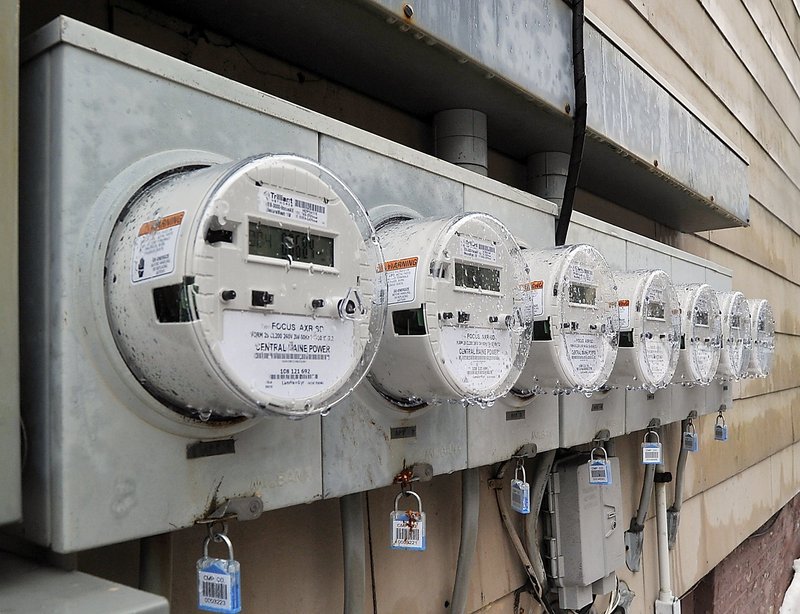
Maine regulators decide to open full investigation of CMP billing problems

The Public Utilities Commission’s legal process includes power to compel witnesses to testify, participation by stakeholders, technical conferences and public hearings.

Posted inBusiness, Maine
Gas prices predicted to rise by May
A national fuel analyst said prices should peak this spring, but remain below 2018 prices overall.

Posted inBusiness, Nation & World, News
Fossil fuel rebound in United States cuts 2 ways
Booming exports of liquefied natural gas collide with environmental goals on green energy and reducing carbon emissions.
Posted inBusiness, Maine
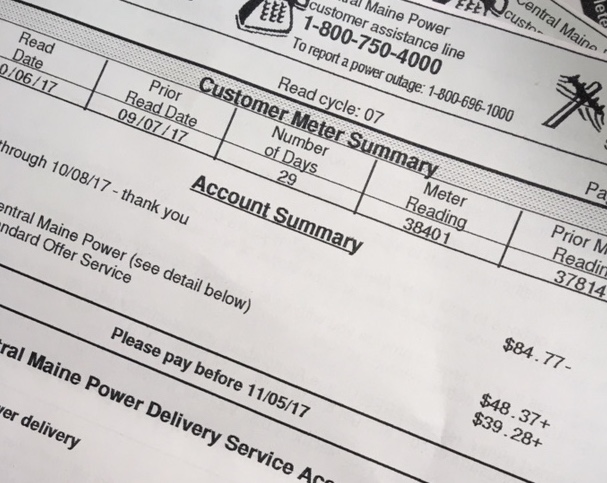
Audit shows CMP billing and metering systems didn’t cause skyrocketing bills

However, Liberty Consulting Group concludes in the report to regulators that the company made the situation worse with a poor response to the thousands of complaints.

Posted inBusiness, Maine
State prepares to install string of high-speed chargers for electric vehicles
Seven stations scattered from Kennebunk to Jackman are expected to come online next year, giving vehicles a fast charge that will take them 240 miles.

Posted inBusiness, Maine
Large Maine solar producers win exemption from costly meter installations
Regulators saw little benefit to ratepayers from a requirement that companies with large solar arrays pay to have expensive meters installed.
Posted inBusiness, Maine
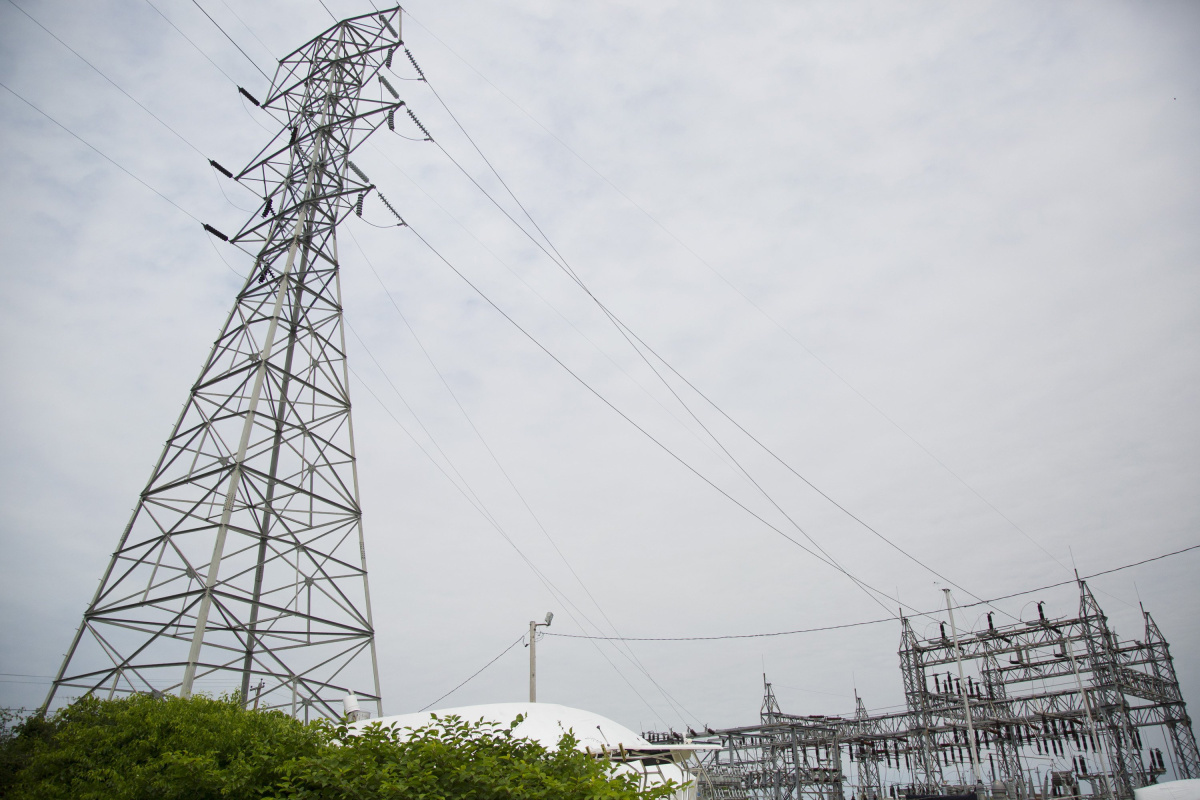
Maine electricity customers across the state can expect $6 monthly increase come Jan. 1
Reflecting regional trends, the supply side of home electricity bills will rise 14 percent, from 7.9 cents per kilowatt hour to a 10-year high of 9 cents.