
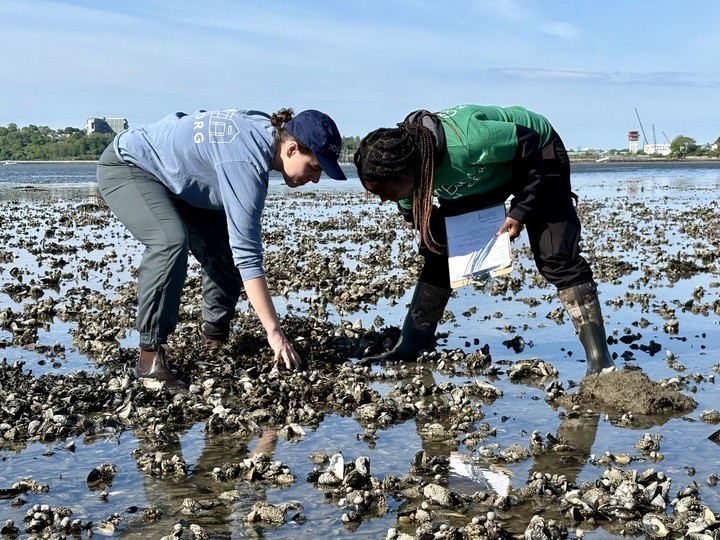

The Gulf of Maine Research Institute would like the public to help hunt for wild mussel beds below the low-tide line.
environment

Posted inMaine, News
Peregrine falcons show signs of national decline, but not in Maine
The deadly avian flu killing falcons in other states hasn’t hit here, but biologists still worry about Maine’s peregrine population because it’s so small.
advertisement
Posted inLeslie Bridgers, Maine, Things to Do
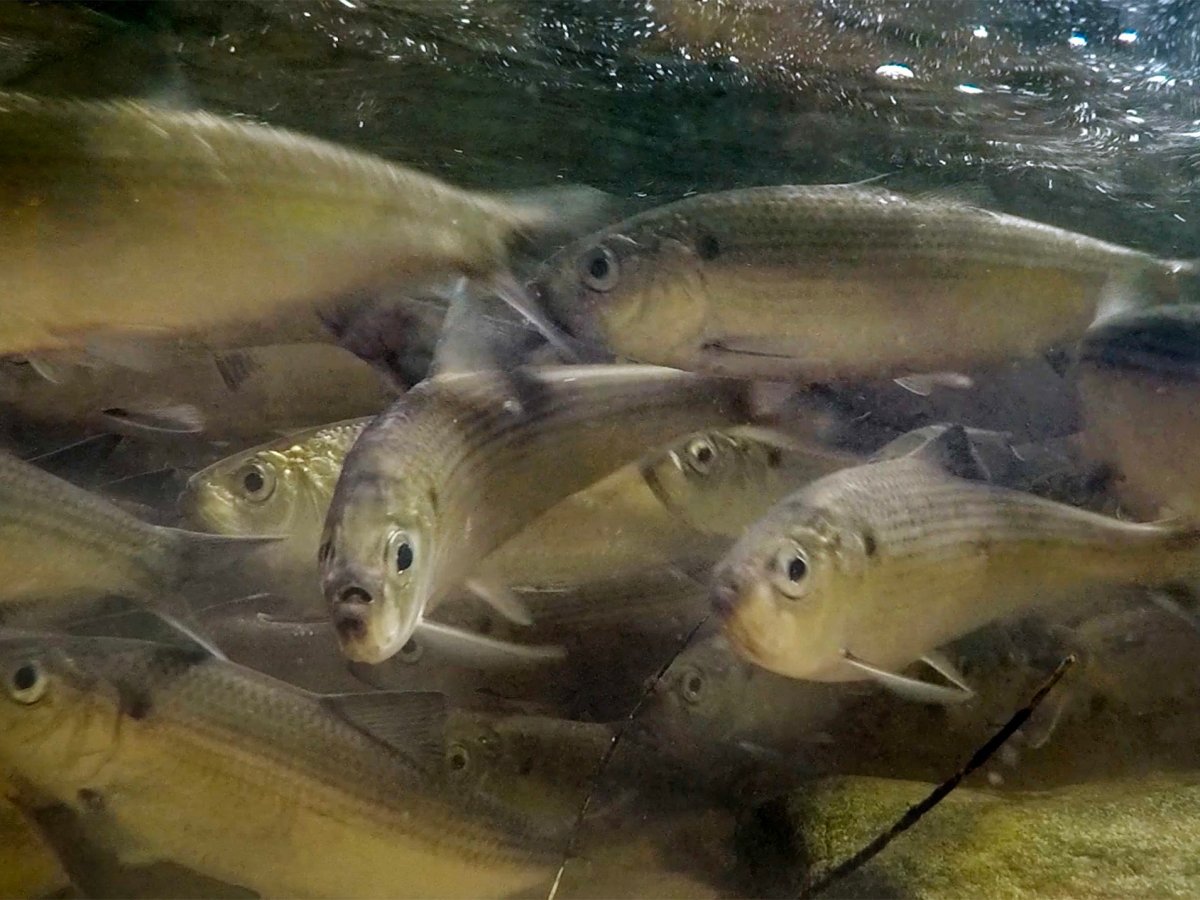
Go see the alewives as they migrate up Maine rivers — and hurry | Column

The sea-run fish are still making their way to the lakes and ponds where they spawn.
Posted inBusiness, Maine, Politics
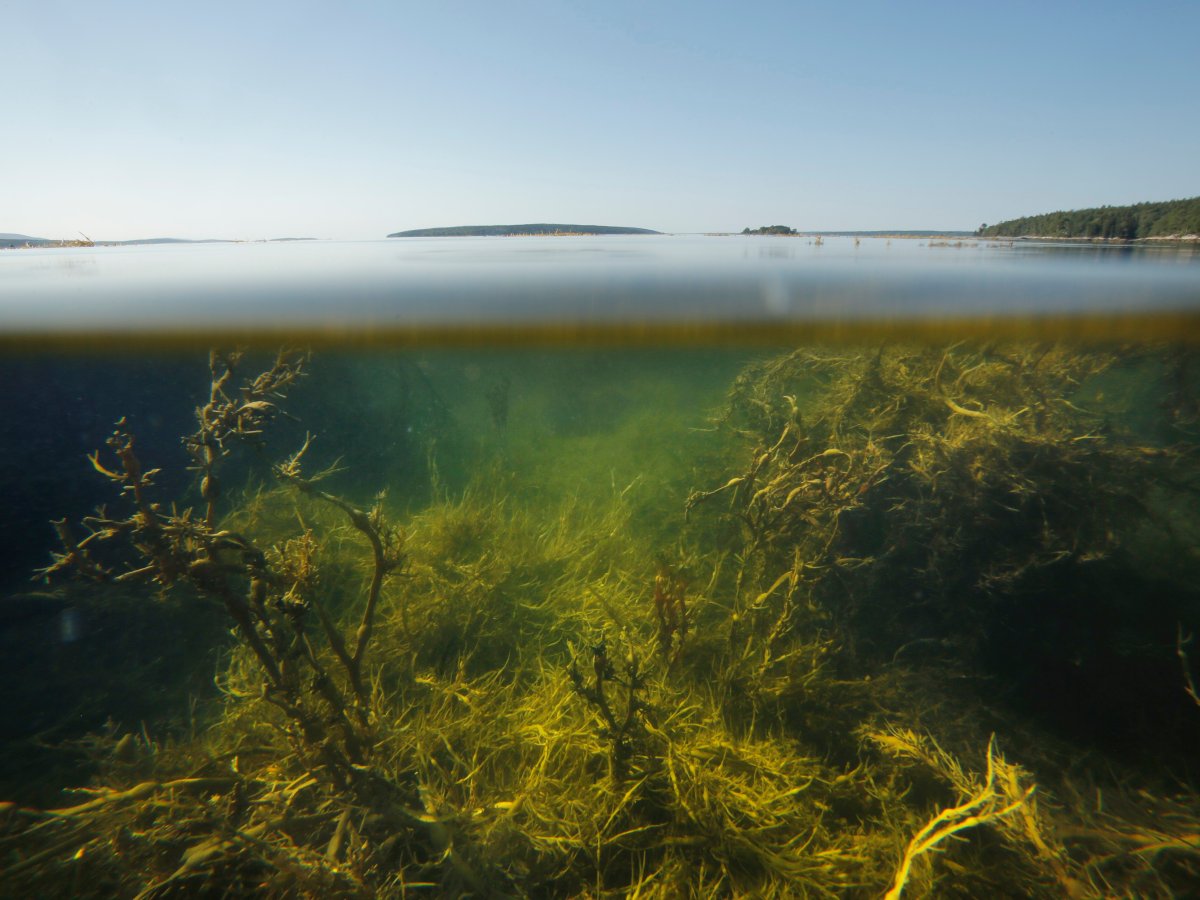
Trump administration seeks to expand offshore oil and gas drilling, including in Gulf of Maine
The Department of the Interior also moved to speed up permitting for a range of energy sources, primarily fossil fuels.
Posted inMaine, News
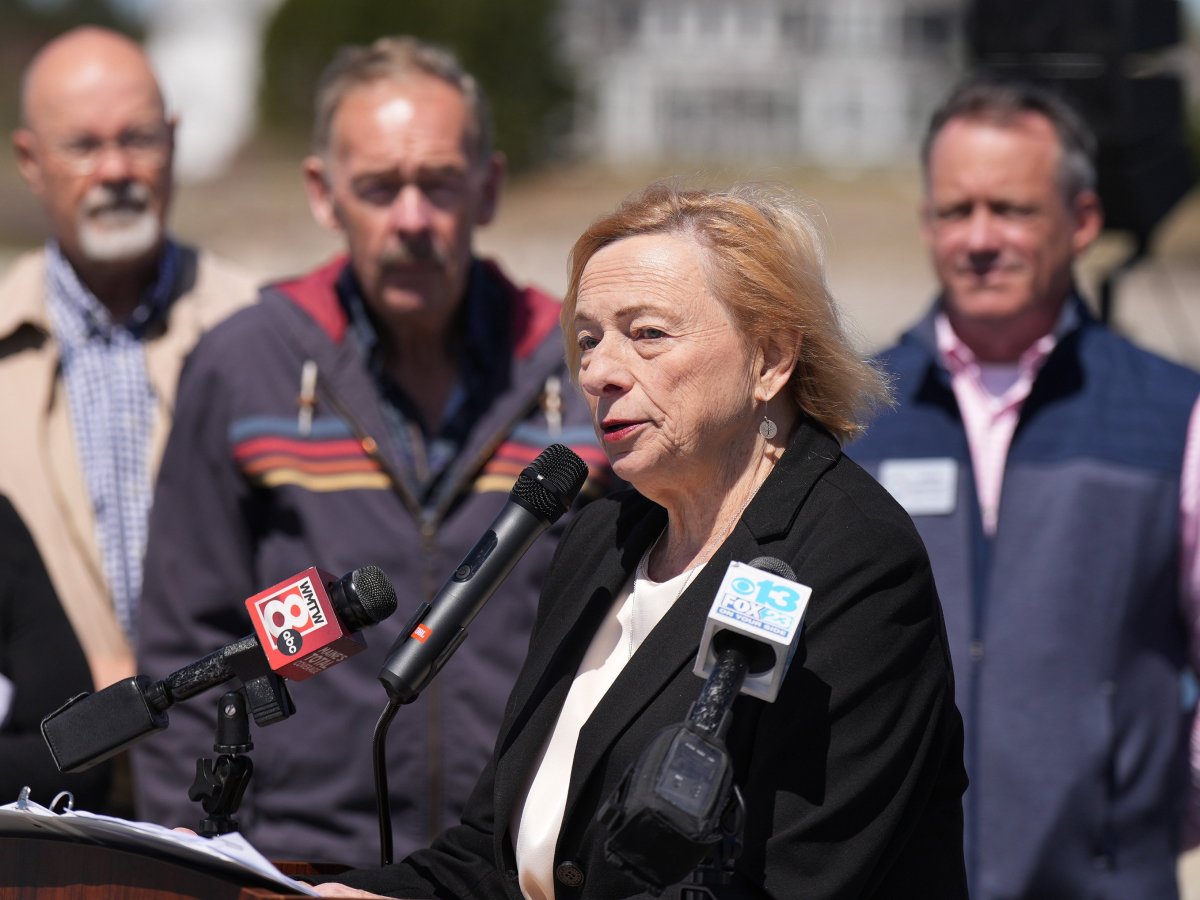
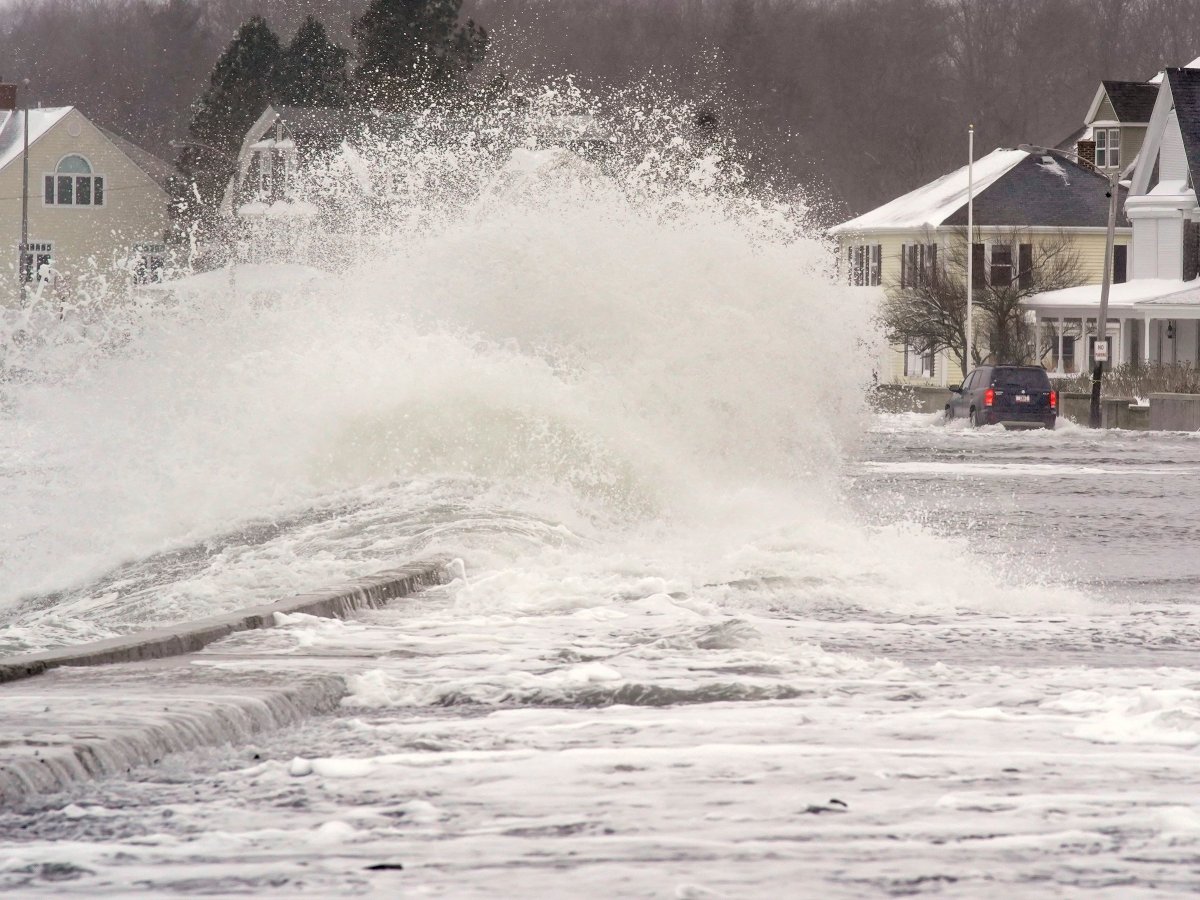
Maine announces record $8M in state climate resilience grants
More than 150 communities across the state are included in the latest round of state climate resilience grants announced by Gov. Janet Mills in Kennebunkport, which was heavily damaged by back-to-back storms in January 2024.
Posted inMaine
Trump administration cut key FEMA grant. What does that mean for Maine projects?
Eighteen resilience projects around the state had their Building Resilient Infrastructure and Communities applications terminated with the cancellation of the program and are now seeking alternate funding.

Posted inMaine, News, Politics
Farmers angry over federal funding cuts rally at Maine State House
They showed up, on their tractors, to protest millions in cuts to federal grants, canceled support for school lunches and the termination of 20% of USDA workers who support Maine’s farmers.

Posted inMaine, News
Lawmakers consider $10M bailout for Fairfield water crisis
A bill would expand the public water system to Fairfield residents whose private wells have been contaminated by toxic forever chemicals from the state’s former agricultural sludge-spreading program.
Posted inMaine, News, Politics
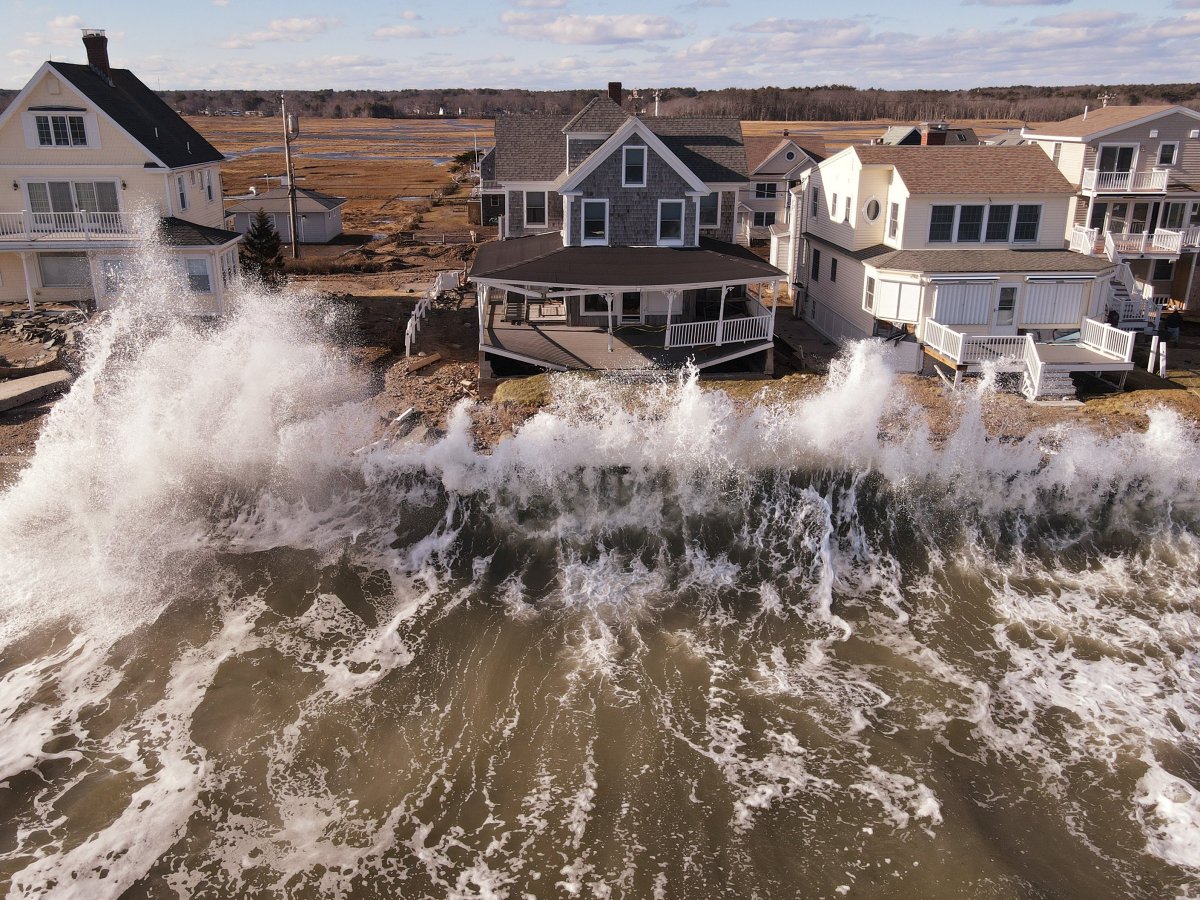
More than $100M sought to help Maine prepare for winter storms, climate change
A $34.5 million bill would fund home resiliency grants statewide, and a $75 million bond would invest in coastal resilience projects.

Posted inMaine, News, Sports
Athletes, environmentalists debate proposed statewide ban on artificial turf fields in Maine
The potential 3-year ban would allow for a state study of the environmental and health effects of synthetic turf fields.