

The best approaches take into account a vulnerable population and use effective vapor recovery technology.
maine department of environmental protection

Posted inLocal & State, Nation & World, News
State admits it was wrong to resist federal crackdown on oil tank pollution

From 2011 to this year, the Maine DEP sided with oil companies and ignored Environmental Protection Agency attempts to rein in hazardous emissions from tanks in South Portland and Searsport.
advertisement

Posted inLocal & State, News
DEP disputes reports of dirty water, saying most Maine beaches free from contamination

The state responds after Environment America lists the number of potentially unsafe beach days each state had last year because of water quality concerns.
Posted inBusiness, Local & State, News
Global oil terminal in South Portland violated air-quality standards again, state says
The Department of Environmental Protection informed city officials, as required by a law passed after a lawsuit accused Global Partners of violating the Clean Air Act for several years.
Posted inKennebec Journal, Local & State
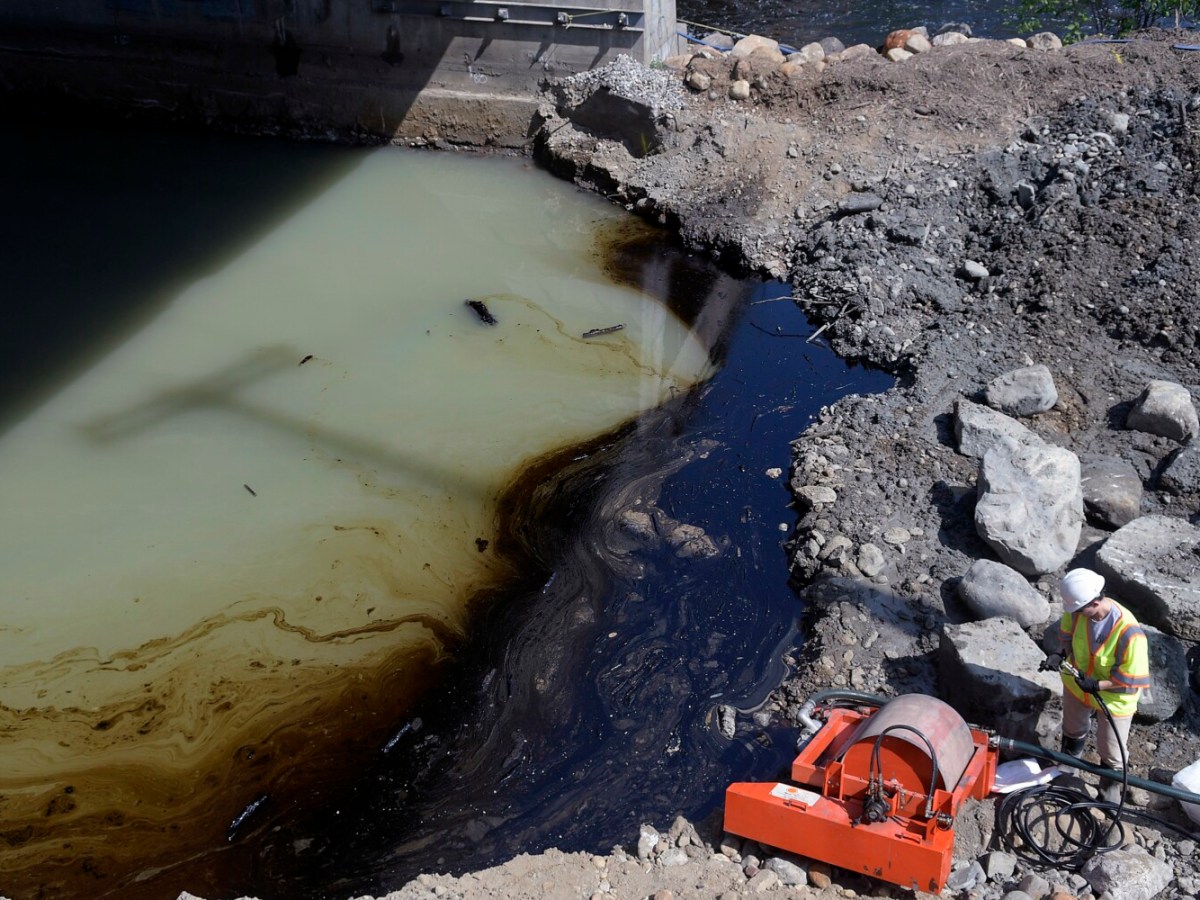
Gardiner bridge project paves way for cleanup of decades-old contaminants

In conjunction with the bridge replacement project over Cobbosseecontee Stream, state environmental officials are cleaning up contamination caused by successive businesses in the city’s historic industrial corridor.

Posted inBusiness, Local & State, News
Market shifts prompt bill to shore up Maine recycling programs

The state’s environmental agency is drafting legislation to prod manufacturers to pay a portion of recycling costs, while cities and towns grapple with what to do with their recyclables now.

Posted inLocal & State, News
Maine plans to search out firefighting foam containing ‘forever chemicals’
Ultimately, the state could follow the lead of Massachusetts and other states that have launched take-back and disposal programs for older firefighting foam containing the toxic PFAS.

Posted inBusiness, Local & State, News
State says Maine milk passes tests for ‘forever chemicals’
But health advocates call for more testing for PFAS contamination on farms that fertilize with treated sludge.
Posted inLewiston-Auburn, News
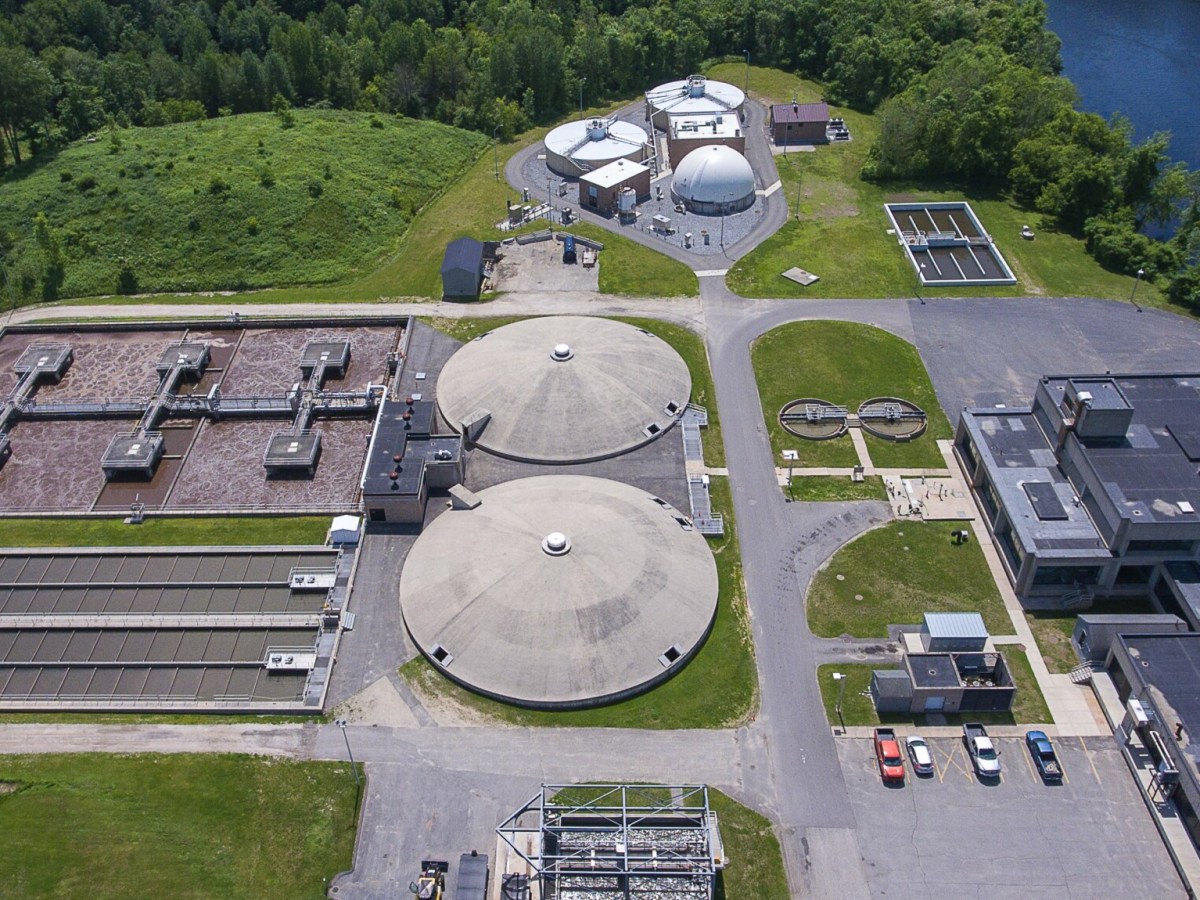
Lewiston officials grapple with increased cost of disposing of sewage sludge

Sending all sludge directly to a landfill could increase annual costs by $500,000.
Posted inLewiston-Auburn, News
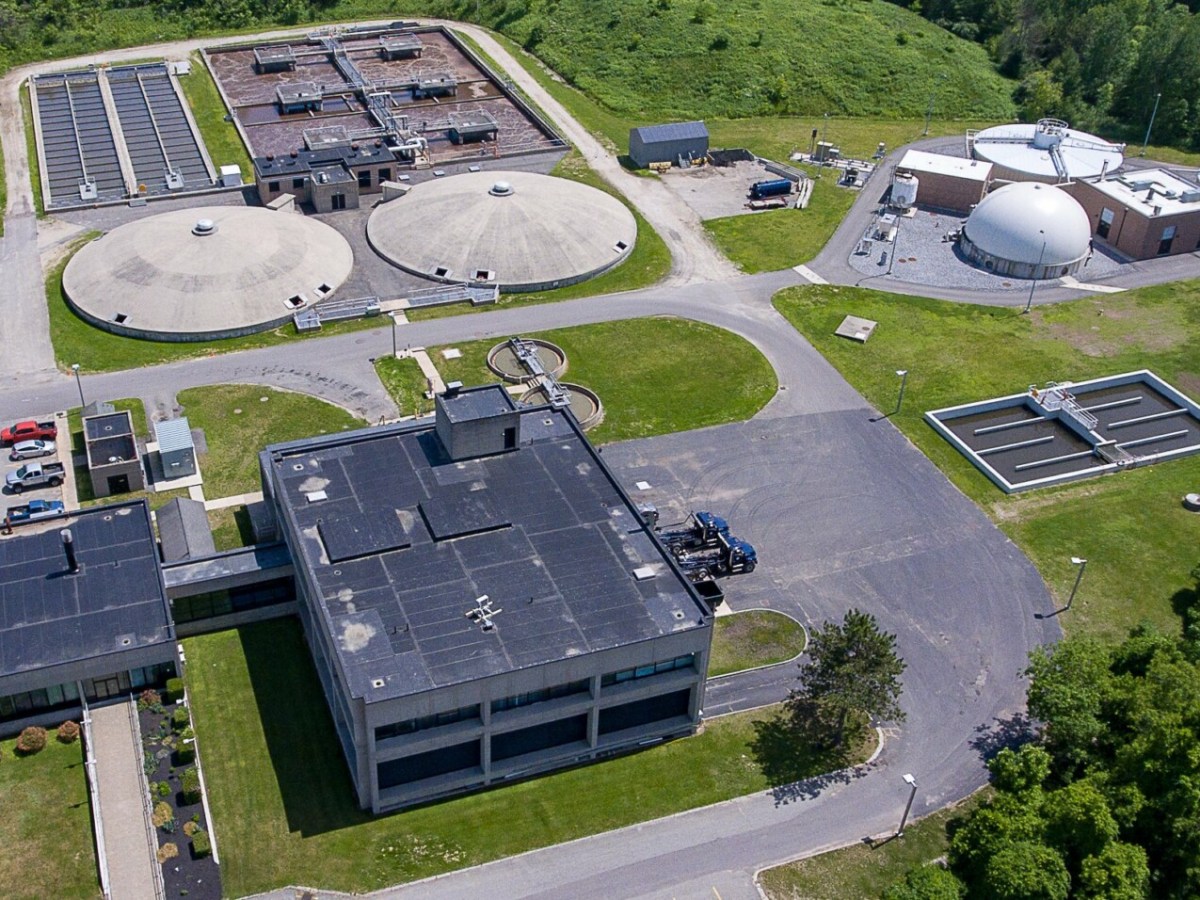
Lewiston stops sending fertilizer sludge to farms after testing high for contaminant
Sewage sludge from the Lewiston treatment plant, like many in Maine, has exceeded screening levels for at least one type of ‘forever chemical’ substance, forcing officials to decide what to do with the material.