

Makers of products like nonstick cookware cite health, safety and functioning of society as reasons they should be able to continue selling products made with forever chemicals.
maine department of environmental protection

Posted inHealth, Maine, News
Air quality alert extended for parts of Maine as Canadian wildfires bring hazy skies

The Department of Environmental Protection said the air quality Monday was ‘moderate,’ a day after it was deemed ‘unhealthy’ in many parts of the state.
advertisement

Posted inHealth, Maine, News
Canadian wildfire smoke is lingering in Maine. Here’s what you should know before heading outside.

While alerts have been downgraded from ‘unhealthy for sensitive groups’ to ‘moderate,’ the air quality could still be a problem throughout the rest of this week.

Posted inMaine, News
Maine’s small vernal pools may get bigger state protections
A bill now awaiting action by Gov. Janet Mills would create a 100-foot no-disturbance protection zone around Maine’s vernal pools, among other protections.

Posted inMaine, News, Schools and Education
EPA restores $1.6M UMaine PFAS grant
The federal agency’s reversal comes 1 month after it declared that the University of Maine’s research into ways to reduce the effects of forever chemicals on farms was inconsistent with the EPA’s funding priorities.
Posted inHealth, Maine, News
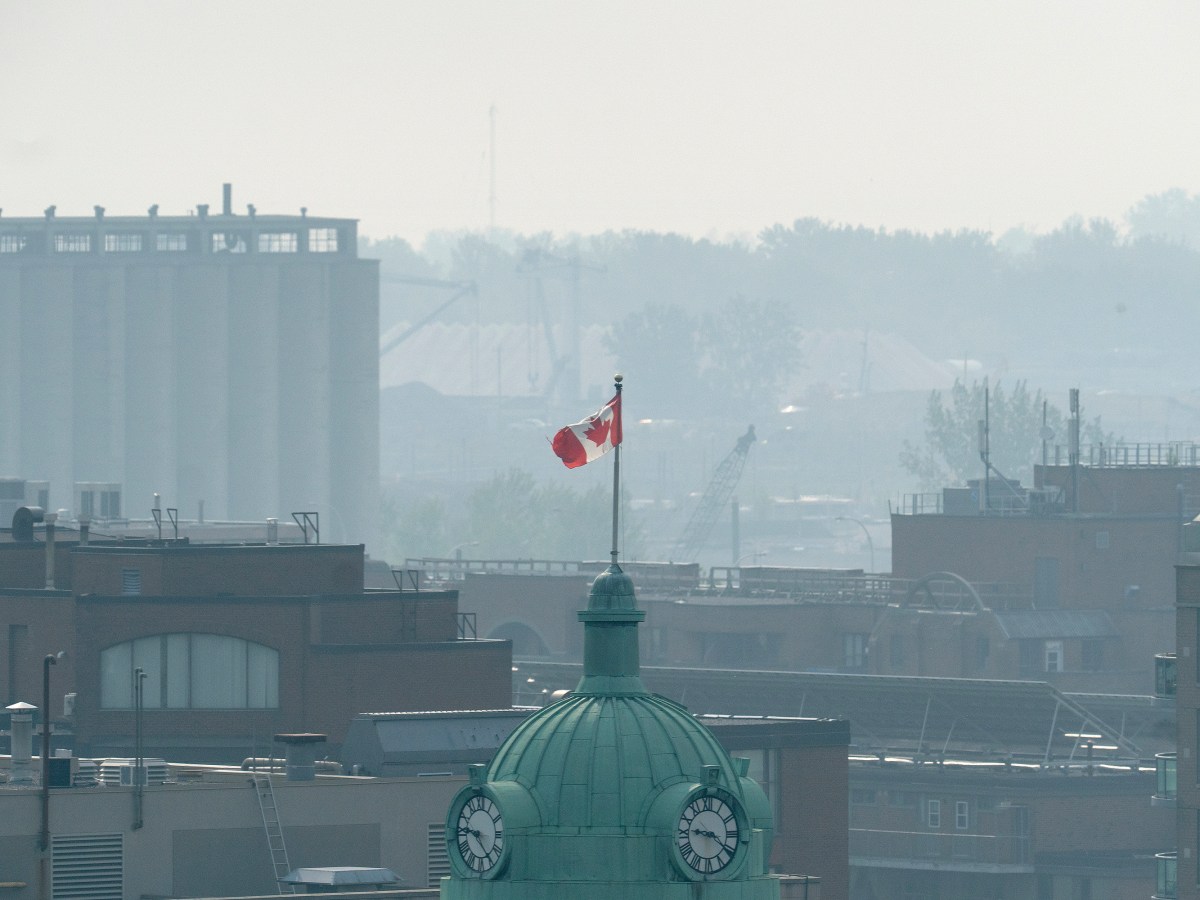
Canadian wildfires prompt another air quality alert for coastal Maine

Smoke from the wildfires is expected to move out by Tuesday but could return as the fires continue to burn across Canada.

Posted inMaine, News
Lawmakers consider $10M bailout for Fairfield water crisis
A bill would expand the public water system to Fairfield residents whose private wells have been contaminated by toxic forever chemicals from the state’s former agricultural sludge-spreading program.

Posted inHealth, Maine, News
Seasonal allergies getting worse? Blame climate change.
As temperatures rise, plants produce more pollen over a longer period of time. But locally collected pollen counts are on the way to help Mainers with seasonal allergies navigate the worst of the sneeze season.

Posted inMaine, News
Bills to find and destroy Maine’s toxic firefighting foam win over legislative committee
The Environment and Natural Resources Committee unanimously endorsed bills to catalog, collect and dispose of Maine’s stockpike of toxic firefighting foam.

Posted inMaine, News
With funds running out, Maine is at a PFAS crossroads
A multiagency presentation before lawmakers warns of the difficulty the state will face trying to meet the needs of residents adversely affected by the spreading of sewage sludge containing forever chemicals.