
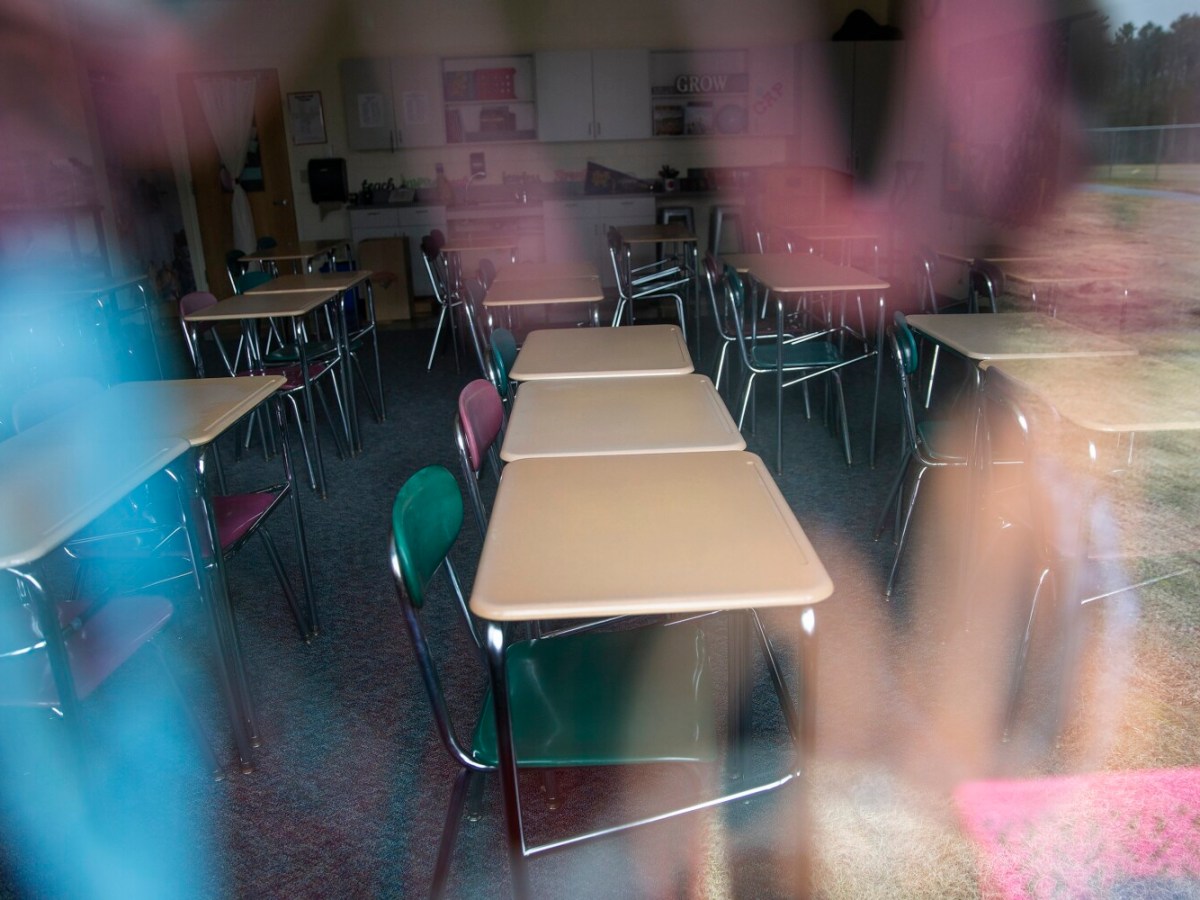
State spending on schools invests in the future and puts downward pressure on local property taxes.
maine legislature

Posted inOp-Eds, Opinion
The Maine Millennial: Maine should treat, not punish, drug addiction
Arrest and incarceration have not slowed a steady increase in overdose deaths.
advertisement

Posted inLewiston-Auburn, Maine
District attorney in Lewiston pushes to decriminalize prostitution

Some worry the move might spur more commercial sex in Maine as pimps tell young exploited women ‘you won’t get in trouble because it’s legal in Androscoggin.’
Posted inOp-Eds, Opinion
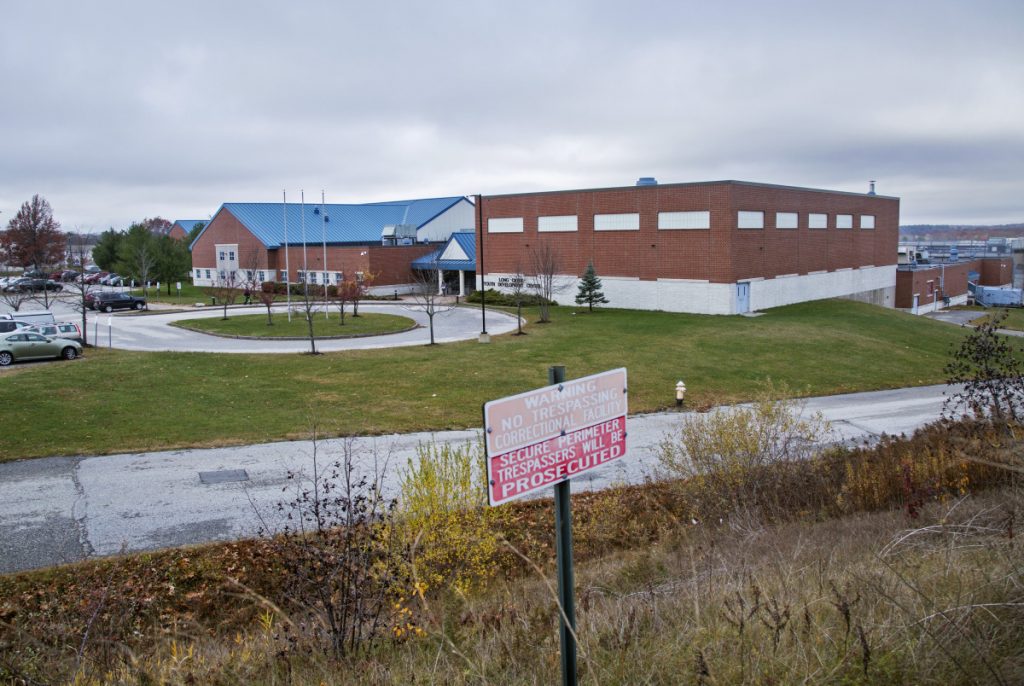
Commentary: Community action is necessary for the survival of Maine youth
State funding should be redirected into providing better support for teens and their families and keeping them out of the juvenile justice system.
Posted inBusiness, Maine, News, Politics
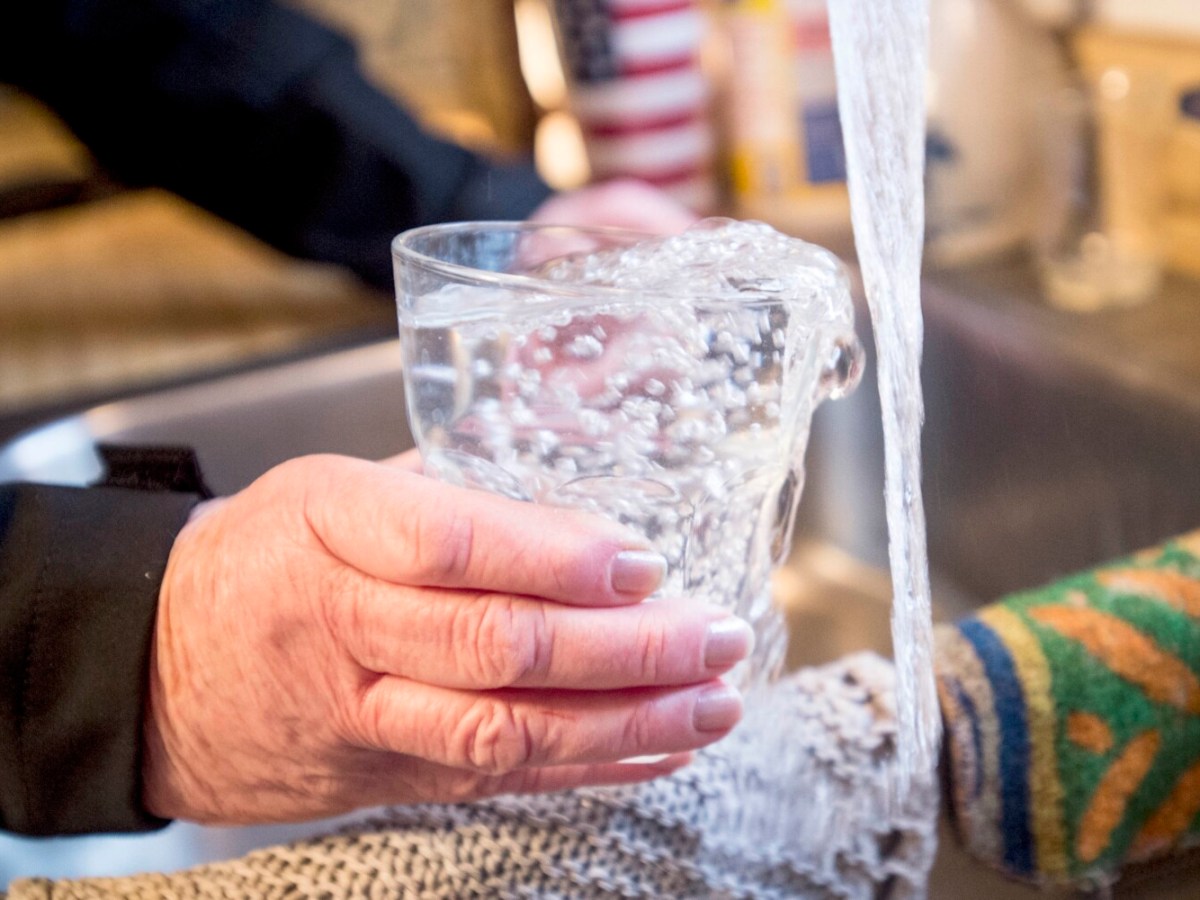
Committee unanimously endorses bill requiring disclosure of ‘forever chemicals’ in products

Lawmakers in both parties embraced the bill on the same day Gov. Janet Mills proposed spending an additional $40 million to address PFAS contamination in Maine.

Posted inMaine, News, Politics
Gov. Mills proposes $187 million increase in school funding in updated state budget

The plan would fund education at the voter-approved level of 55% for the first time, provide more money to cities and towns, and put a record amount in the state’s ‘rainy day’ fund.
Posted inMaine, News
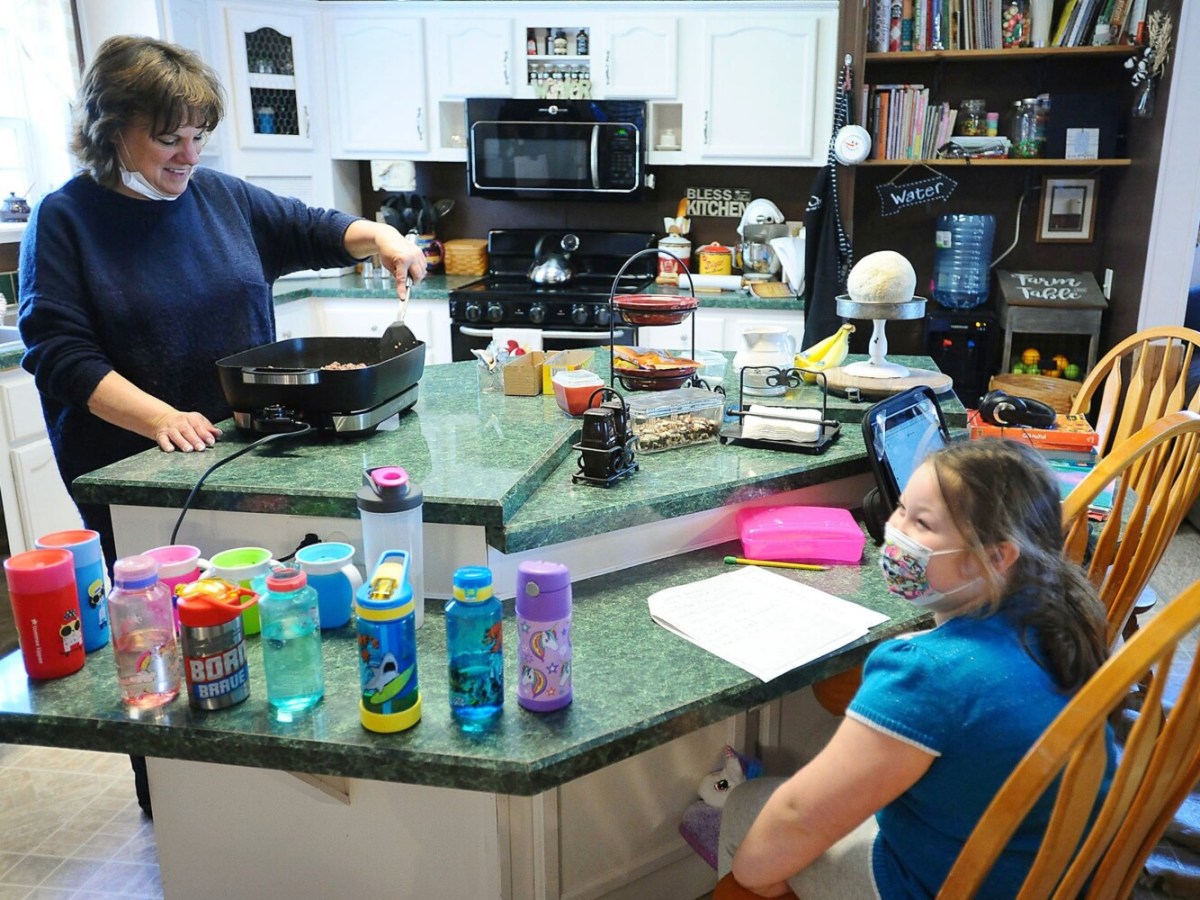
Bill seeks to boost Maine’s child care system and workforce
House Speaker Ryan Fecteau’s measure would devote $5 million a year to boost training and pay for child care workers.
Posted inBusiness, Maine
Maine lawmakers to consider competing recycling reform bills

Two bills have been submitted to create a program to improve recycling and refund municipalities, but the sides are far apart on how those goals should be achieved.
Posted inMaine, News, Schools and Education
Bills would mandate Holocaust and Black history education in Maine
The legislation before the Education and Cultural Affairs Committee would require all Maine public schools to include curriculum on genocide and Black history in their courses of study.
Posted inHealth, Maine, News
Maine confronts wide race disparity in health care for expecting mothers

Black women in Maine are four times more likely than white women to start prenatal care late, or not at all, a disparity tied with Texas as the nation’s largest.