
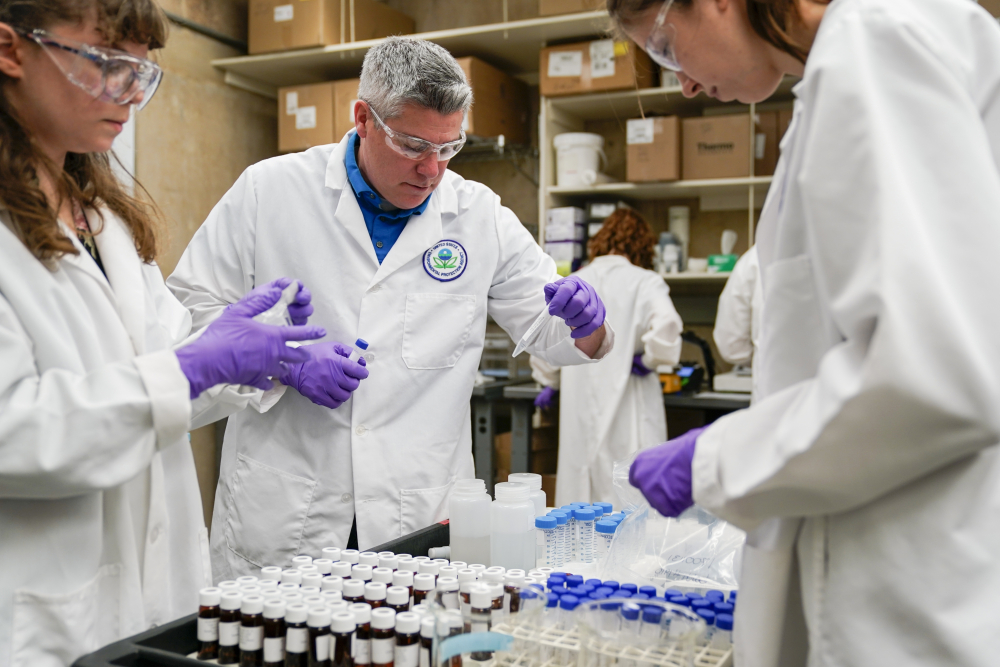
Complex supply chains and inconsistent reporting requirements are making it hard for manufacturers to identify whether their products contain forever chemicals.
PFAS
Posted inMaine, News, Schools and Education
UMaine developing interactive tool to track PFAS nationwide

A university team is creating a tracker that strives to connect state and federal testing data back to the likely source of contamination, note the potential impacts on food and water supplies and map out how PFAS travels through the environment.
advertisement
Posted inMaine
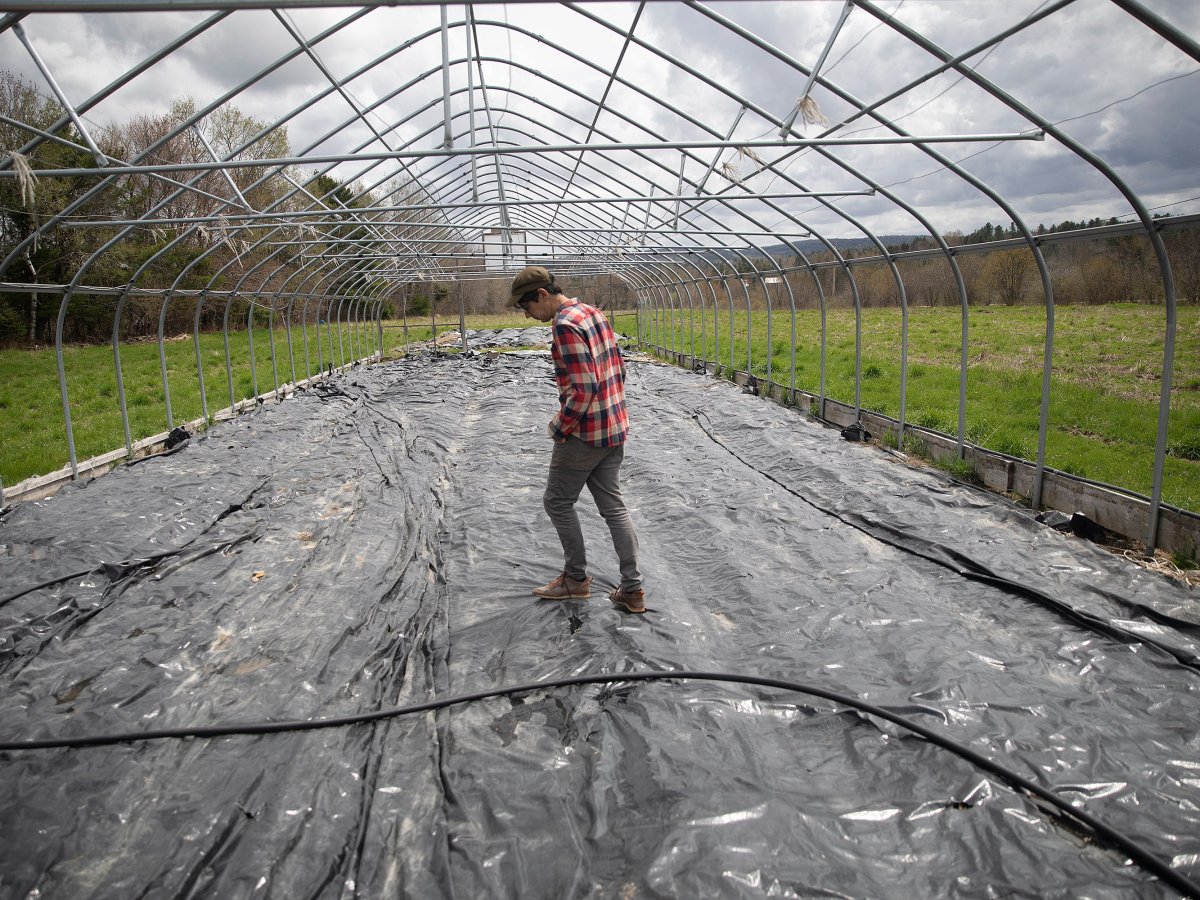
Contaminated farm in Unity to become PFAS research site
Songbird Farm is one of a growing number of farms found to be contaminated with so-called forever chemicals from sludge fertilizer spread on fields, once a common, state-sanctioned practice.

Posted inOp-Eds, Opinion
Commentary: One-size-fits-all approach to PFAS impractical for Maine businesses
Responsible management calls for an amendment to the current ban that moves toward common-sense prioritization that evaluates the risk associated with each use.

Posted inMaine, News
Lawmakers hear how other states are catching up to Maine on PFAS regulation
Thirty-three states have introduced about 200 new PFAS policies or laws this year alone.
Posted inMaine, News
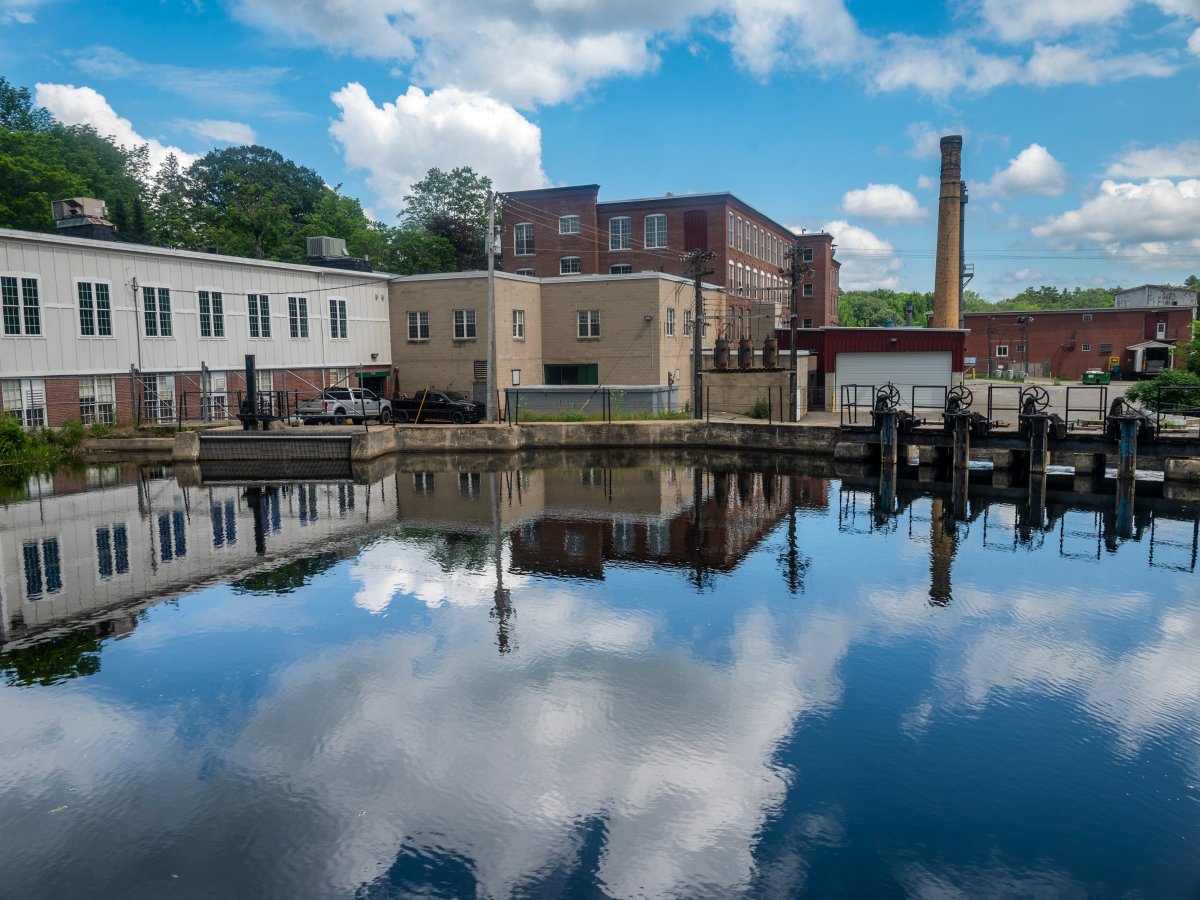
Monmouth considers water solutions amid high ‘forever chemical’ levels in wells

Town officials are exploring the prospect of expanding Monmouth’s centralized water distribution system to North Monmouth to help alleviate the situation.

Posted inOp-Eds, Opinion
Commentary: Biosolids facility is a stopgap to Maine’s PFAS crisis, not a solution
Our state should seize a unique chance to flip this crisis into opportunity – and serve as a leader in technologies for addressing PFAS.
Posted inMaine, Morning Sentinel
A $35 million biosolids facility in Norridgewock could be answer to state’s sludge disposal crisis

Waste Management Disposal Services is working to secure approval for the treatment plant at the Crossroads Landfill it operates in Norridgewock.

Posted inMaine, News
Maine sludge crisis is over – for 2 years, at least
A temporary compromise reached by lawmakers means Maine communities are once again burying sewage sludge in the state-owned landfill at Juniper Ridge near Old Town, and don’t have to pay extra to haul the waste to New Brunswick, Canada.

Posted inMaine, Politics
Lawmakers tour Maine before negotiating next federal farm bill
Maine needs federal policy to be flexible enough to support small specialty farmers, keep food banks full and provide relief to farmers struggling with PFAS contamination, lawmakers are told at a U.S. Congress agricultural field hearing.