




SKOWHEGAN — A man driving a vehicle with falsely attached license plates was arrested after reportedly leading police on a vehicle and foot chase through Skowhegan late Thursday night.
Jerry Michael Libby, 35, a transient, is facing charges of eluding an officer, driving to endanger, criminal speeding and refusing to submit to arrest, according to Somerset County Jail booking records. He is also facing two charges each of unlawful possession of scheduled drugs and violating conditions of release.
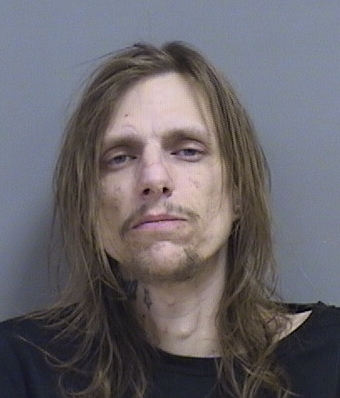
Jerry Michael Libby Somerset County Jail
The chase began when an off-duty Skowhegan police officer spotted Libby near the Hannaford grocery store off Madison Avenue in a Hyundai Sonata with license plates that were registered to a Nissan Versa, according to Skowhegan Police Chief David Bucknam.
Officer Alex Burns then attempted to make a traffic stop, but was unsuccessful as Libby would not stop, Bucknam said.
“The vehicle sped off and refused to stop,” Bucknam said, adding police believe Libby was fleeing because he is out of jail on bail conditions.
The chase reached speeds of 65 mph as Libby led police down several town streets, before he eventually stopped in a field on Norridgewock Avenue, Bucknam said.
Libby then exited his vehicle and attempted to flee into the woods, but Burns and an assisting sergeant were able to arrest him, Bucknam said.
A passenger in the vehicle, Connie Richards, 37, of Madison, was taken to the hospital because police believed she was carrying drugs inside of her body, according to Bucknam.
Richards is not listed in Somerset County Jail’s online booking records. Bucknam could not confirm Friday if Richards was arrested after being taken to the hospital.
Skowhegan’s new drug-detecting K9, along with its handler, Cpl. Josh York, responded to the incident, Bucknam said. It was the first search the dog has been involved in since it completed training earlier this week, the chief said.
Comments are not available on this story.
Send questions/comments to the editors.
