

A man and woman from St. Albans were being held in jail as of Wednesday after police arrested them on charges related to two vehicle thefts, a sheriff’s official said.
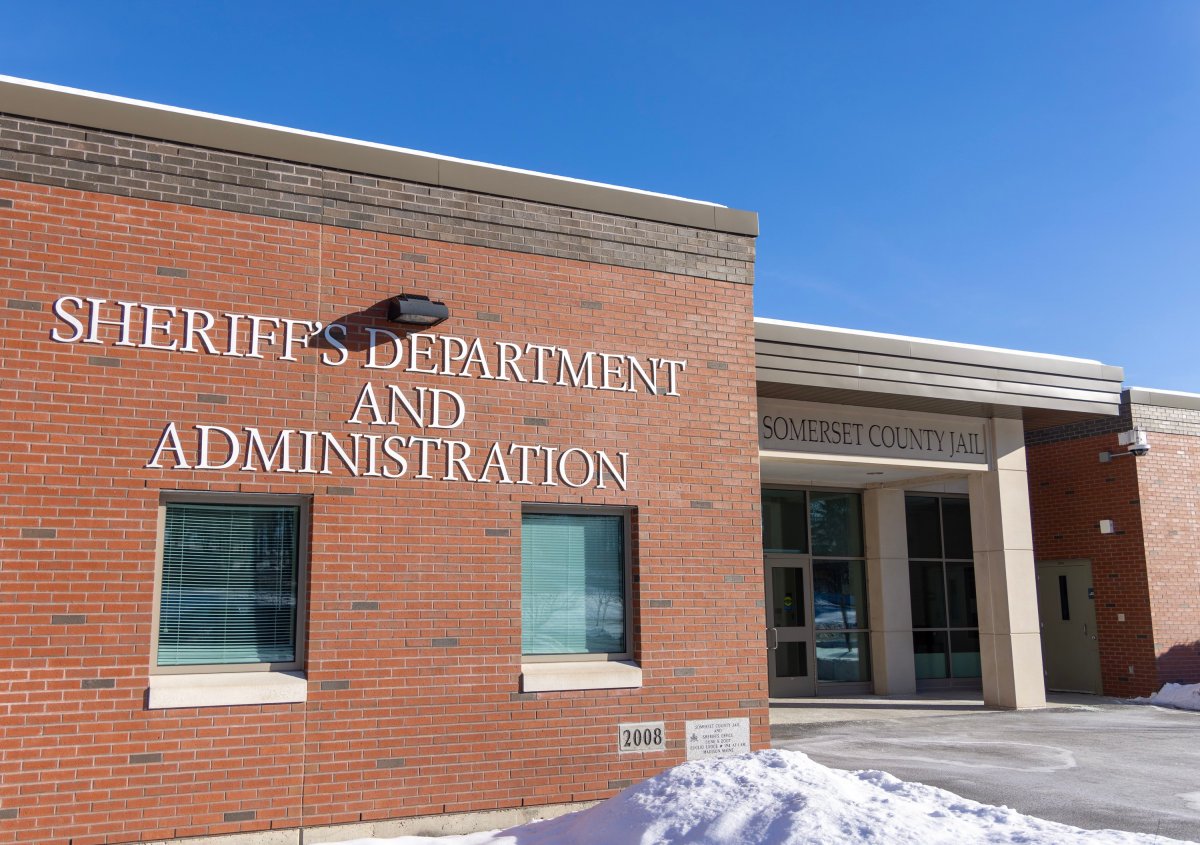
Steven Dumont, 44, and Cheyenne Tripp, 28, were arrested Friday as part of an investigation that remains active and ongoing, Chief Deputy Mike Mitchell of the Somerset County Sheriff’s Office said in a statement Wednesday. They were being held at the Somerset County Jail in Madison.
The Sheriff’s Office initially responded to a St. Albans residence Friday for a reported stolen vehicle, Mitchell said.
Police found one vehicle they believed to be stolen at the residence, and Dumont was arrested there, Mitchell said. He did not say from where investigators believe that vehicle was stolen.
Later in the day, police found an abandoned vehicle in Cambridge, which investigators believe Tripp stole from the St. Albans home, Mitchell said. Tripp was then arrested in Hartland.
Dumont was charged with theft by receiving stolen property and unlawful possession of scheduled drugs, Mitchell said. He was also arrested on warrants for theft by receiving stolen property and a probation revocation for another theft by receiving stolen property case.
Jail records show Dumont was being held as of Wednesday with no bail because of the probation revocation. Bail for the new charges was set at $1,500, with his next court appearance scheduled for May 20, according to jail records.
Tripp, meanwhile, was charged with theft by unauthorized taking or transfer and also arrested on a warrant for failure to appear in court for charges of unlawful furnishing of scheduled drugs and unlawful possession of scheduled drugs, Mitchell said.
Bail for the theft charge was set at $500, jail records show. Tripp is due back in court on that charge May 20.
The Sheriff’s Office expects more charges and arrests related to its investigation.
The Maine State Police and Maine Warden Service assisted the Sheriff’s Office.

Comments are not available on this story. Read more about why we allow commenting on some stories and not on others.
We believe it's important to offer commenting on certain stories as a benefit to our readers. At its best, our comments sections can be a productive platform for readers to engage with our journalism, offer thoughts on coverage and issues, and drive conversation in a respectful, solutions-based way. It's a form of open discourse that can be useful to our community, public officials, journalists and others.
We do not enable comments on everything — exceptions include most crime stories, and coverage involving personal tragedy or sensitive issues that invite personal attacks instead of thoughtful discussion.
You can read more here about our commenting policy and terms of use. More information is also found on our FAQs.
Show less