

AUBURN — An Edgecomb man was sentenced to 30 years in prison Tuesday, with all but 10 years suspended, after admitting to the 2024 murder of a Virginia man in Turner.
Luke Krott, 27, was sentenced for the killing of 34-year-old William “Nate” Robinson, whose body was found stuffed in a barrel in Edgecomb in December 2024.
He had been shot to death, according to court records.
Police say the killing took place in Turner shortly before Robinson’s body was discovered by fishermen at Schmid Preserve in Edgecomb.
Krott had previously denied the charge of murder. He changed his plea Tuesday in Androscoggin County Superior Court and was promptly sentenced.
Krott had been identified as a suspect in the killing early in the Maine State Police investigation.
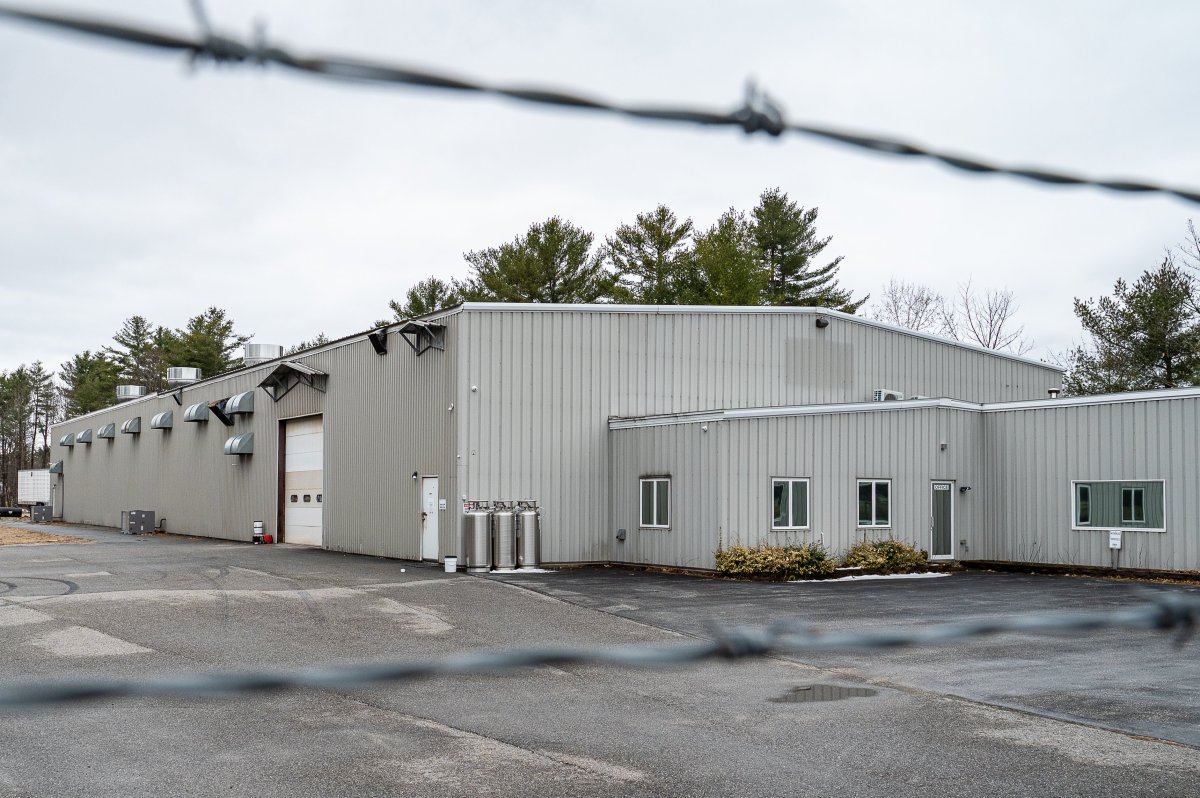
On Dec. 12, just days after Robinison’s body was found, investigators executed a search warrant at 57 Conant Road in Turner. That area is the site of an industrial building described in real estate listings at the time as a medical marijuana cultivation facility.
When police first started investigating the case, Krott became a suspect but could not be located. He had been staying with his parents in Edgecomb, police said, but it wasn’t until January that he was tracked to San Diego.
Krott was arrested on a charge of being a fugitive from justice after he was tracked to a sailboat in a San Diego marina and captured by the U.S. Marshals Service and FBI.
He was returned to Maine soon after and was officially charged with murder. He has since remained at the Androscoggin County Jail in Auburn.
Krott will spend 10 years in a state prison to be followed by four years of probation. If he doesn’t adhere to probation guidelines, he could serve the suspended portion of his sentence.

Comments are not available on this story. Read more about why we allow commenting on some stories and not on others.
We believe it's important to offer commenting on certain stories as a benefit to our readers. At its best, our comments sections can be a productive platform for readers to engage with our journalism, offer thoughts on coverage and issues, and drive conversation in a respectful, solutions-based way. It's a form of open discourse that can be useful to our community, public officials, journalists and others.
We do not enable comments on everything — exceptions include most crime stories, and coverage involving personal tragedy or sensitive issues that invite personal attacks instead of thoughtful discussion.
You can read more here about our commenting policy and terms of use. More information is also found on our FAQs.
Show less