

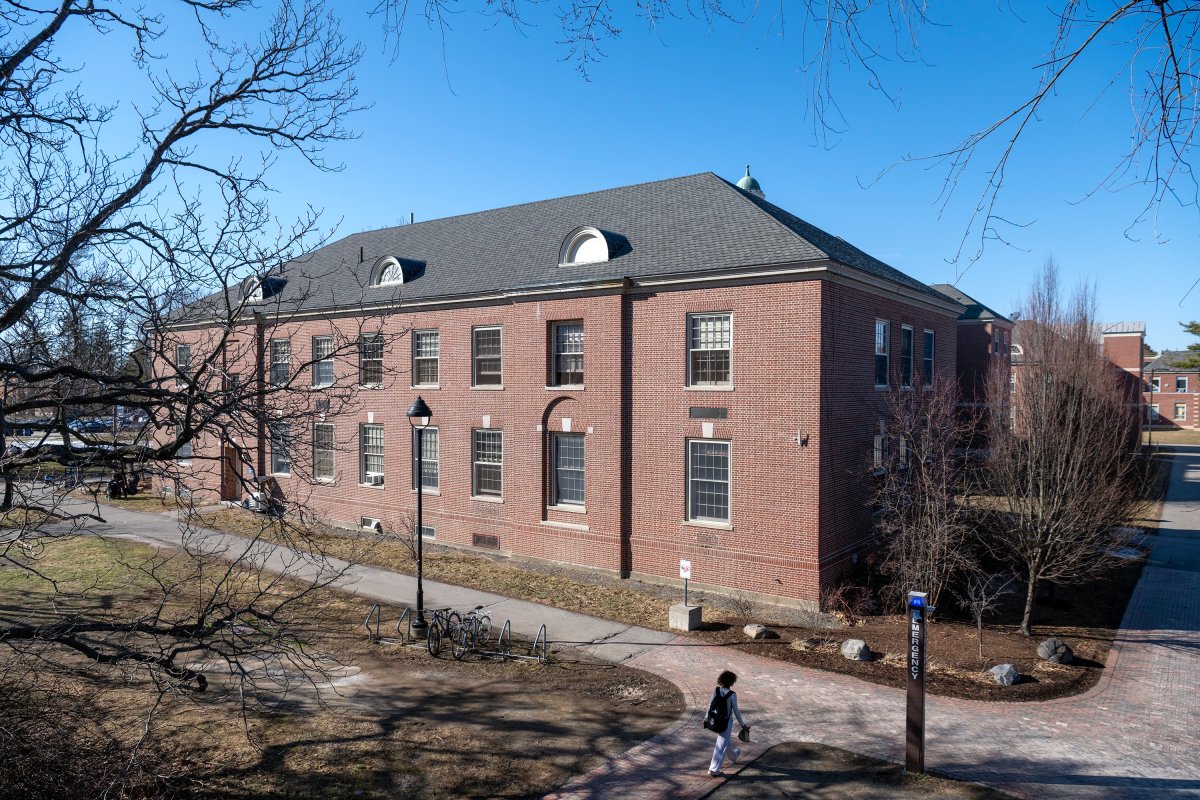
The University of Maine has identified the remains of at least 26 Indigenous people and 532 burial objects held in its collection that are now slated to be returned to the Wabanaki Nations.
An assortment of human bone fragments, stone tools and charcoal samples are among the objects collected by archaeologists associated with the university at nine sites throughout Maine, according to a recent notice in the Federal Register.
Researchers at UMaine have determined the remains and associated objects are likely connected to the Houlton Band of Maliseet Indians, the Mi’kmaq Nation, the Passamaquoddy Tribe and the Penobscot Nation, collectively known as the Wabanaki Nations.
The items were removed from sites near the Penobscot River and the coast of Maine starting in the 1960s and as late as 1995.
Tribal nations can submit written requests to have the objects returned. The return process could start as soon as April 1.
The Wabanaki Nations have an intertribal committee that has in the past coordinated the return of similar items. In September, the Abbe Museum in Bar Harbor announced it was returning a human tooth and 16 funerary objects to the tribal nations.
UMaine in 2017 hired anthropologist Bonnie Newsom, who is Penobscot, and it became part of her job to ensure compliance with the federal Native American Graves Protection and Repatriation Act of 1990. The law requires institutions to search their holdings for remains and other culturally significant objects and return them in a culturally sensitive manner.
Newsom, who could not be reached for comment Tuesday, said in September that the university was in the process of a large effort to identify and return relevant items.
At the time, she said the work was “not only legal, it’s also philosophical from where we stand as a department.”
Archaeologists removed some objects during apparent research missions, while others were excavated during the development or approval of various infrastructure projects.
Using radiocarbon dating, researchers determined the objects range in age from 200 to over 5,000 years old.
Reuben M. Schafir is a Report for America corps member who writes about Indigenous communities for the Portland Press Herald.

We invite you to add your comments. We encourage a thoughtful exchange of ideas and information on this website. By joining the conversation, you are agreeing to our commenting policy and terms of use. More information is found on our FAQs. You can update your screen name on the member's center.
Comments are managed by our staff during regular business hours Monday through Friday as well as limited hours on Saturday and Sunday. Comments held for moderation outside of those hours may take longer to approve.
Join the Conversation
Please sign into your CentralMaine.com account to participate in conversations below. If you do not have an account, you can register or subscribe. Questions? Please see our FAQs.