

Maine lawmakers could soon vote on a top Democrat’s plan to create a nearly $88 million contingency fund for the Supplemental Nutrition Assistance Program after last fall’s record federal government shutdown temporarily froze food stamp benefits.
But any decisions on the proposal from House Speaker Ryan Fecteau, D-Biddeford, tied to a federal program that helps about 175,000 Mainers, could run into budget constraints in the last few weeks of the legislative session.

Lawmakers are considering a proposed supplemental budget from Gov. Janet Mills that would bring the state’s two-year spending plan to nearly $12 billion. Revised projections that a state commission released this month show an additional $8.8 million in General Fund revenue coming through 2027, but the same forecast included about $85 million less revenue for legislators to work with through 2029. A flurry of proposals are competing for funding.
Still, Fecteau is pushing ahead with his SNAP bill, LD 2122, that complements his other ambitious pitch for $250 million in state funding to offset federal cuts to Medicaid and other health care programs under President Donald Trump. The SNAP measure, which the Legislature’s health committee advanced along party lines last week, calls for $87.8 million this year to cover three months of food benefits in the event of more disruptions at the federal level.
It also calls for the state’s health department to use an electronic system to help reduce Maine’s SNAP payment error rate. It has recently been around 10.25% and below the national average, but advocates noted it would leave Maine on the hook for more than $50 million in administrative costs going forward under the Trump administration’s cost-sharing changes, while a lower error rate could bring Maine’s costs down to $35 million starting in 2027.
An updated fiscal estimate found the state would need $8.25 million by fiscal year 2027 to pay for the new system, and the state would need $846,400 each year to implement other parts of Fecteau’s proposal, such as outreach programs to inform Mainers about SNAP eligibility and help with enrollment.
Fecteau said his idea for the contingency fund grew out of the federal shutdown that began last October and lasted a record 43 days amid Democrats pushing back on Republicans for letting Affordable Care Act subsidies expire. Trump halted SNAP payments amid the impasse, resulting in an array of confusing legal decisions before payments resumed in November and the shutdown ended. Fecteau also cited Trump’s One Big Beautiful Bill Act that the Republican-controlled Congress passed last summer and that could cut SNAP benefits for tens of thousands of Mainers.
“Unfortunately, our current reality means that Maine has to be prepared to step in if this were to happen again,” Fecteau said while testifying in favor of his bill this month. “I think we can all agree that the 12.5% of our population that relies on SNAP should not have to fear going hungry because of the Washington dysfunction.”
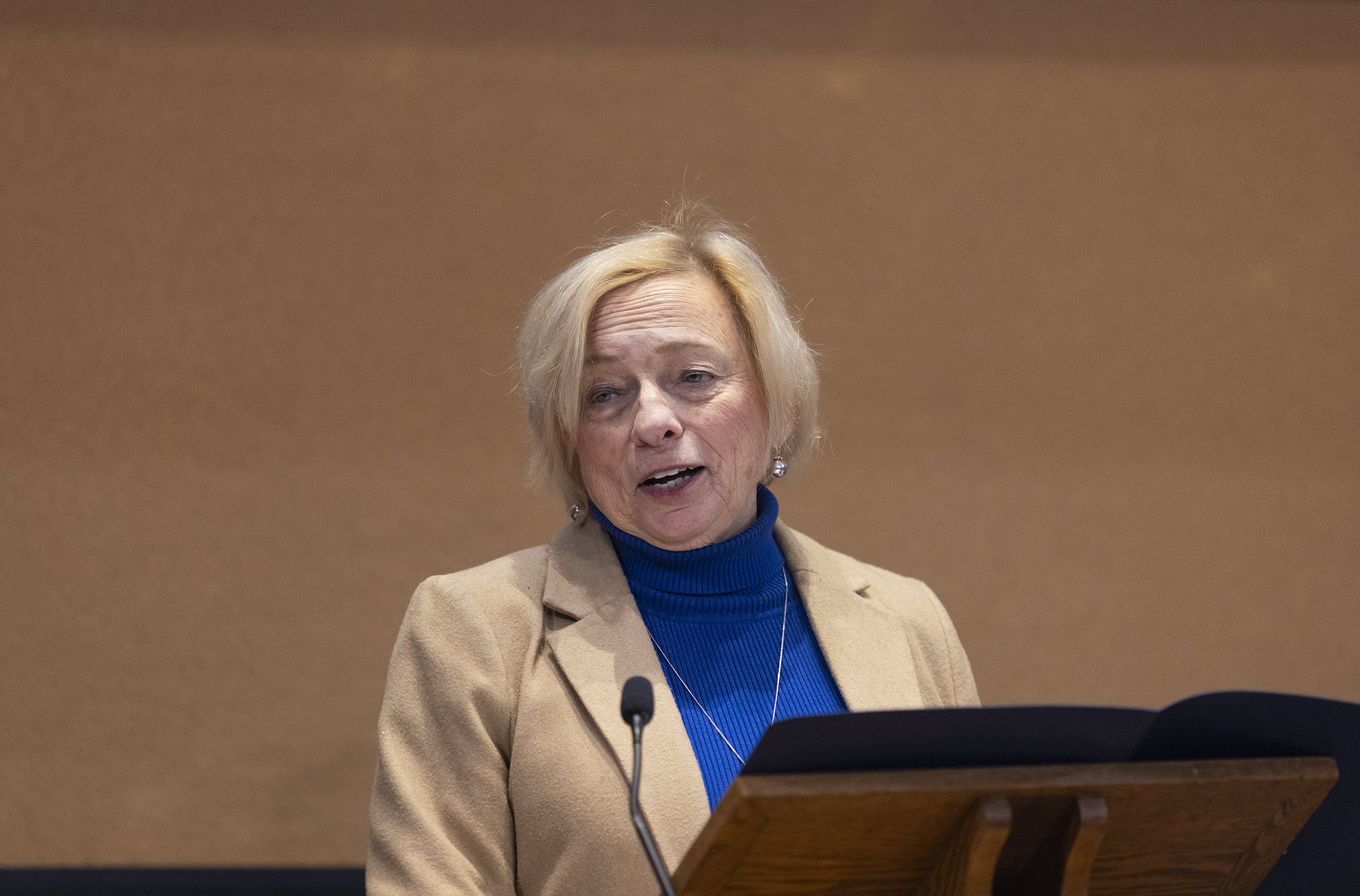
Mills, a Democrat serving her last year in office, noted during last fall’s SNAP dispute that about $29 million in federal funds flow to Maine each month to provide the food benefits for those Mainers, including about 52,000 kids. About one in eight U.S. residents gets an average of $187 a month from the program created through a bipartisan agreement in the 1960s after an earlier federal food stamp initiative emerged from the Great Depression.
Mills has not shared an updated stance on how she views Fecteau’s bill, but her administration was officially neutral on it during a public hearing in early March. In written testimony on LD 2122, Ian Yaffe, the director of the Department of Health and Human Services’ Office for Family Independence, testified about the issues with absorbing some of the costs and said the state is already undertaking several efforts to lower Maine’s SNAP payment error rate.
“Procuring and developing a new electronic system would take years and would not happen fast enough” to avoid new cost-sharing requirements before the 2030 federal fiscal year, Yaffe said.
A Fecteau spokesperson otherwise noted Monday the funds would need to be allocated all at once, rather than spread out. Amid the budgetary challenges that legislative Republicans cite in opposing the bill that also seeks to push back on the Republican president’s policies, Fecteau has plenty of support from food banks and anti-hunger advocacy groups.
Heather Arvidson, program director for the Mid Coast Hunger Prevention Program, testified the SNAP fund “would provide the state an incredible safety net.”
“Our neighbors cannot afford the loss of their SNAP dollars,” Arvidson said, “and food pantries like ours cannot sufficiently fill the gap, meaning more Maine families would find themselves food insecure if federal funding is delayed or disrupted.”

We invite you to add your comments. We encourage a thoughtful exchange of ideas and information on this website. By joining the conversation, you are agreeing to our commenting policy and terms of use. More information is found on our FAQs. You can update your screen name on the member's center.
Comments are managed by our staff during regular business hours Monday through Friday as well as limited hours on Saturday and Sunday. Comments held for moderation outside of those hours may take longer to approve.
Join the Conversation
Please sign into your CentralMaine.com account to participate in conversations below. If you do not have an account, you can register or subscribe. Questions? Please see our FAQs.