


Supporters of the University of Maine at Augusta’s architecture program say the proposal to relocate it from its home in the city’s downtown is shortsighted, wasteful, could jeopardize the widely praised architecture program’s accreditation and was done without input from faculty, students, or industry leaders.
Those comments came Monday at a meeting of the University of Maine System board of trustees at the UMA campus.
In November, faculty and students were told the university is moving the program from Handley Hall due to the high costs of maintaining the building.
“The proposal to sell Handley Hall was developed in isolation, bypassing both faculty experts, who understand the building’s specialized infrastructure, and the students who chose UMA specifically for this facility,” said Lisa Botshon, a UMA English professor who teaches a class in the downtown building. “We request that the board halt the projected sale of Handley Hall. The administration’s rationale for a sale has been a moving target, lacking reliable data, prudent planning, or even a clear ‘why?’ We ask the board to uphold its duty of care by making sure UMA does not suffer long-term, perhaps irreparable, damage from a baffling and opaque decision.”
They also said the university’s assessment of the historic brick building’s future infrastructure needs appears to wildly inflate costs.
Patrick Hansford, a longtime architect who works as an assistant architecture professor at UMA, said the administration’s cost report of infrastructure needs “did not pass the smell test,” and appeared to be “fictional.” Hansford said some of that work is not necessary, because the building was just significantly renovated 15 years ago; other items listed like replacing the electrical room could be done for far less money than the report suggests.
Trish Riley, board chair, said the board did not currently have a proposal before it regarding Handley Hall, but said the board appreciated the input.

Samantha Warren, a spokesperson for the University of Maine System, said after the meeting that relocation of academic programs is an administrative decision that does not typically require board of trustees’ approval, although the sale of the building would require board action.
Warren said planning for the move has been underway since March 2025 and was “necessitated by a commitment to supporting student success and affordability and the increasing challenges and high costs of maintaining Handley Hall, which is prone to flooding from the Kennebec River.”
Warren noted the current Handley Hall space was designed for more than double the number of architecture students that are currently enrolled.
Staying in Handley Hall is no longer financially feasible nor in the best interest of current or future students, she said. The programs will likely move sometime in the 2026-27 academic year.
Warren said when a site is selected, it will be more aligned with the actual enrollment and enable students to have more seamless connection to critical university services including academic advising and financial aid.
In January, a UMA spokesperson, Kristen Eaton, said university officials had not decided whether to sell Handley Hall but had decided to relocate the art and architecture programs into campus-based space in Augusta due to ongoing concerns about the condition of and long-term sustainability of Handley Hall.
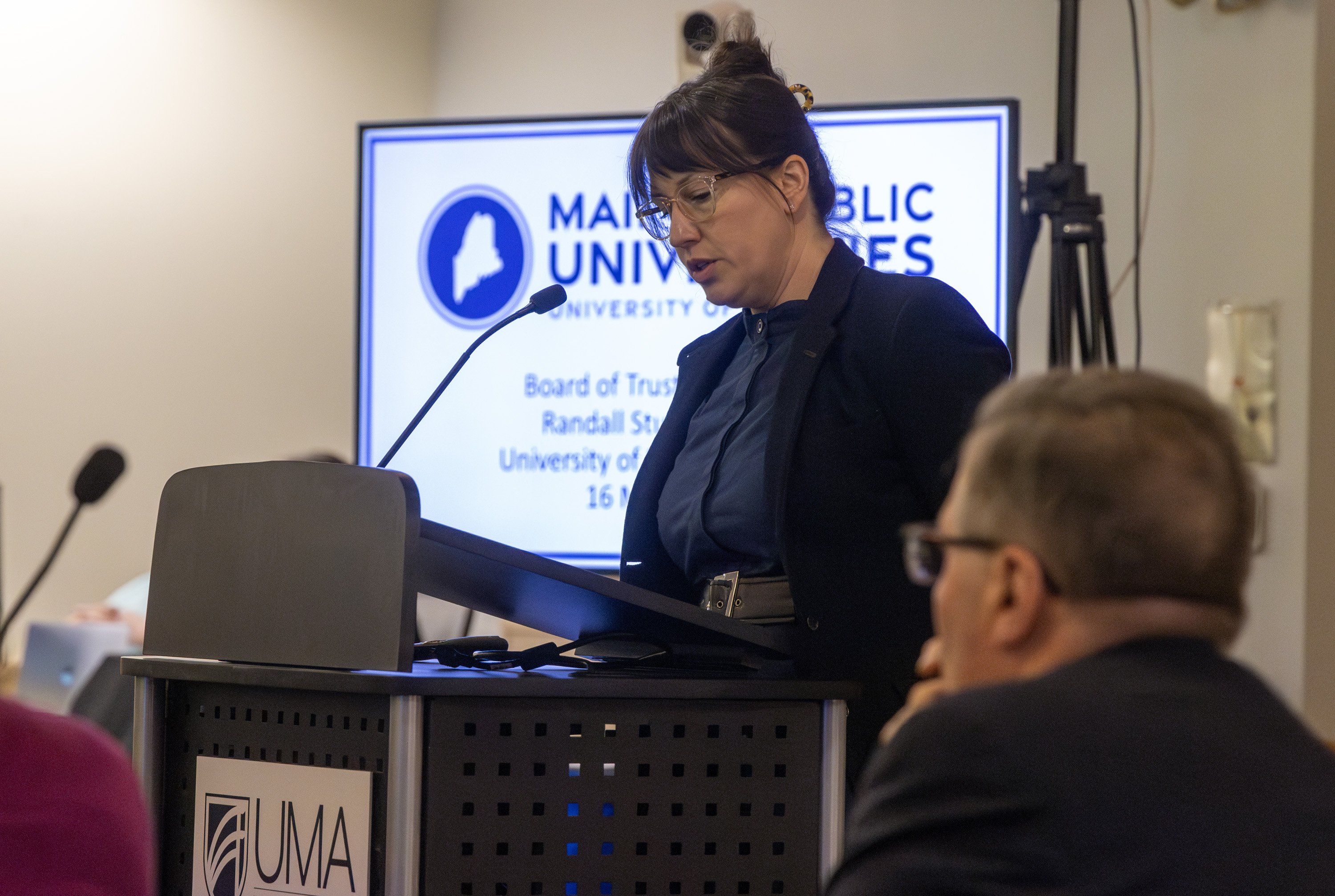
Eric Stark, a UMA professor of architecture, said faculty were informed of the plan after it was already formed, without their input and without considering the potential consequences, including to the architecture program’s accreditation, of which its facilities are a major factor.
Stark said the 2010 gift of the building to the university was a main factor in UMA even being able to start the program, and more than $1 million was put into it to set up studio and study spaces for students that allow them to work together on projects, seven days a week, 24 hours a day.
He said the plan to move out of the building represents “a profound lack of vision.”
Two Maine architects, Jessie Carroll and Joanna Shaw, each speaking for the Maine chapter of architecture industry groups, said graduates of UMA’s program have been key to creating a qualified pool of architects living and working in Maine.
Carroll said Handley Hall has served as a vital hub where industry members connect with students.
Shaw said she recently visited Handley Hall and witnessed how students were able to connect with each other in the building’s intertwined network of studios.
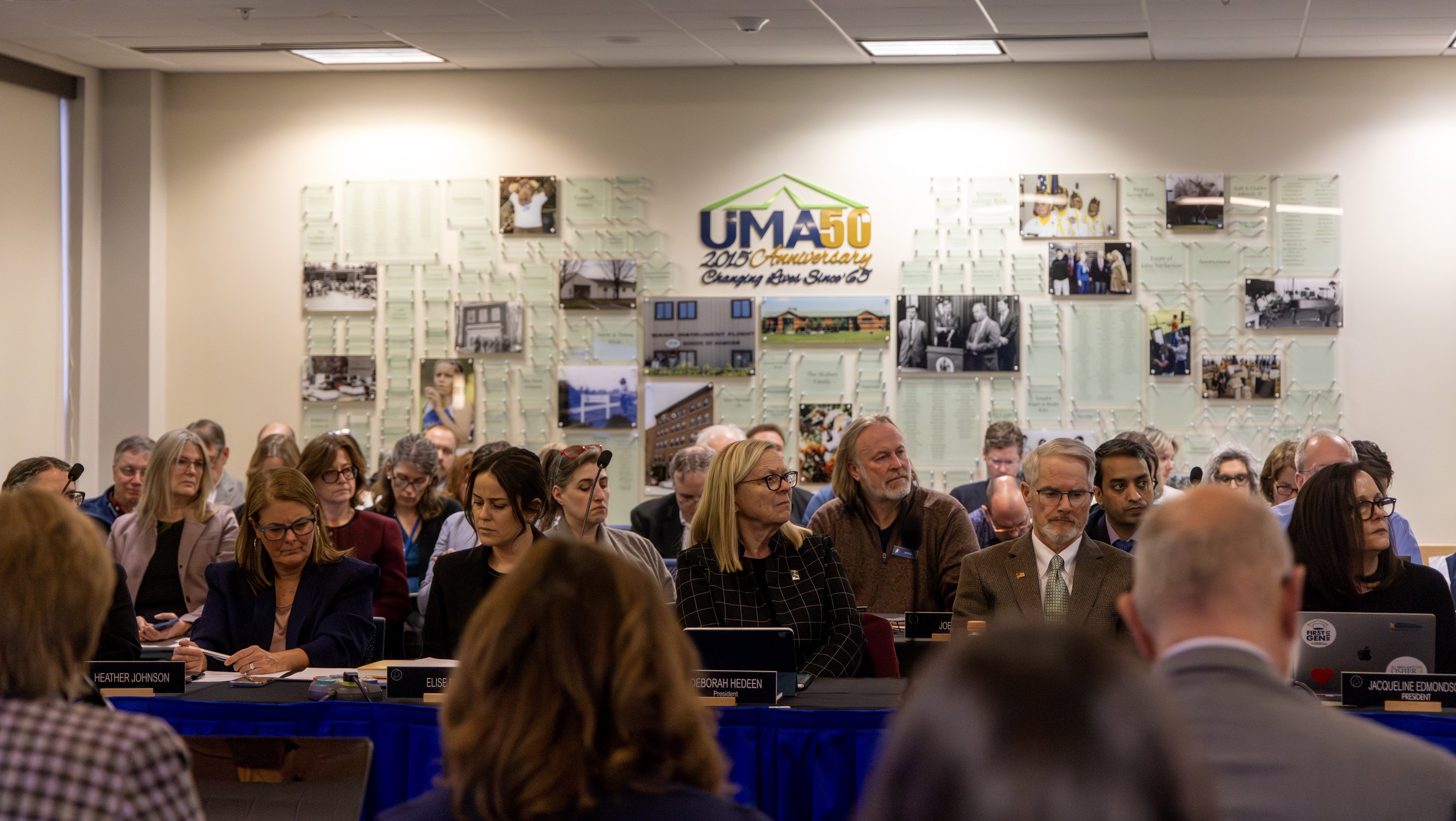
“Why do the students not know where and how this vital component of their education will continue?” Shaw asked trustees.
Peter Precourt, a UMA art professor, said the handling of the matter is an example of the university system’s administration treating faculty like obstacles to a corporation’s progress, not the pillars of an educational system.
He noted there has been talk of moving some of the program to the Augusta Civic Center where, he added, an interior wall recently collapsed.

We invite you to add your comments. We encourage a thoughtful exchange of ideas and information on this website. By joining the conversation, you are agreeing to our commenting policy and terms of use. More information is found on our FAQs. You can update your screen name on the member's center.
Comments are managed by our staff during regular business hours Monday through Friday as well as limited hours on Saturday and Sunday. Comments held for moderation outside of those hours may take longer to approve.
Join the Conversation
Please sign into your CentralMaine.com account to participate in conversations below. If you do not have an account, you can register or subscribe. Questions? Please see our FAQs.