

Bob Krist honed his photographer’s eye over nearly 40 years of globetrotting for National Geographic and other magazines.
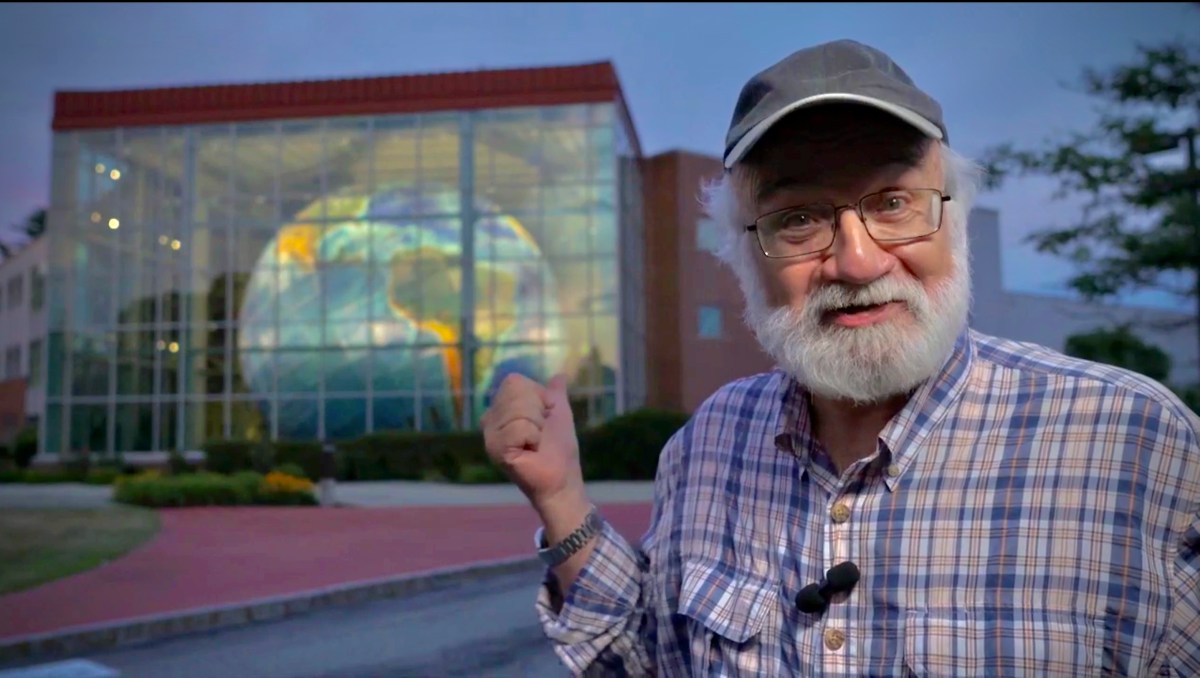
So it didn’t take long for him to realize, after moving to Boothbay Harbor about 10 years ago, that Maine’s Route 1 is lined with visually interesting and slightly offbeat stuff. There’s a giant rotating globe model called Eartha in Yarmouth, the world’s tallest public bridge observatory in Prospect and a blueberry-shaped building in Columbia Falls. And that’s barely the beginning.
Krist decided to drive all 526 miles of Route 1 from Kittery to Fort Kent, in spurts, and put together a film called “100 Years of Route One: A Centennial Road Trip.” It will debut on Maine Public television stations Thursday at 9 p.m.
“I’ve always liked the funky authenticity of Maine and I started seeing all these kind of weird roadside attractions on Route 1,” said Krist, 73.
The film will also air Friday at 1 a.m., Saturday at 1:30 p.m. and Sunday at 3:30 p.m. After those showings, it will stream on PBS Passport and at mainepublic.org. It’s being shown as part of the Maine Public Film Series, featuring submitted documentary-style films focused on New England or Atlantic Canada.
Krist grew up in New Jersey and started coming to Maine some 40 years ago to teach photo classes at Maine Media in Rockport. He has taken photos for several major magazines in his career, including National Geographic, National Geographic Traveler, Smithsonian and Islands. In pursuit of the perfect photo, he’s been stranded on a glacier in Iceland, chased by charging bulls in India and knighted with a cutlass during a ceremony in Trinidad and Tobago.
Krist’s film is timely because of the road’s 100th anniversary. It was officially designated as Route 1 in 1926 as part of the country’s new numbered highway system. The road basically follows the entire Maine coast from New Hampshire to Canada, then turns north and ends at the top of Aroostook County. Once early highways like Route 1 made it easy to drive along the coast to rural parts of Maine, roadside attractions started popping up for the amusement and comfort of motorists, Krist said. Many of the attractions survive from the early days and many have been built since, with similar intentions.
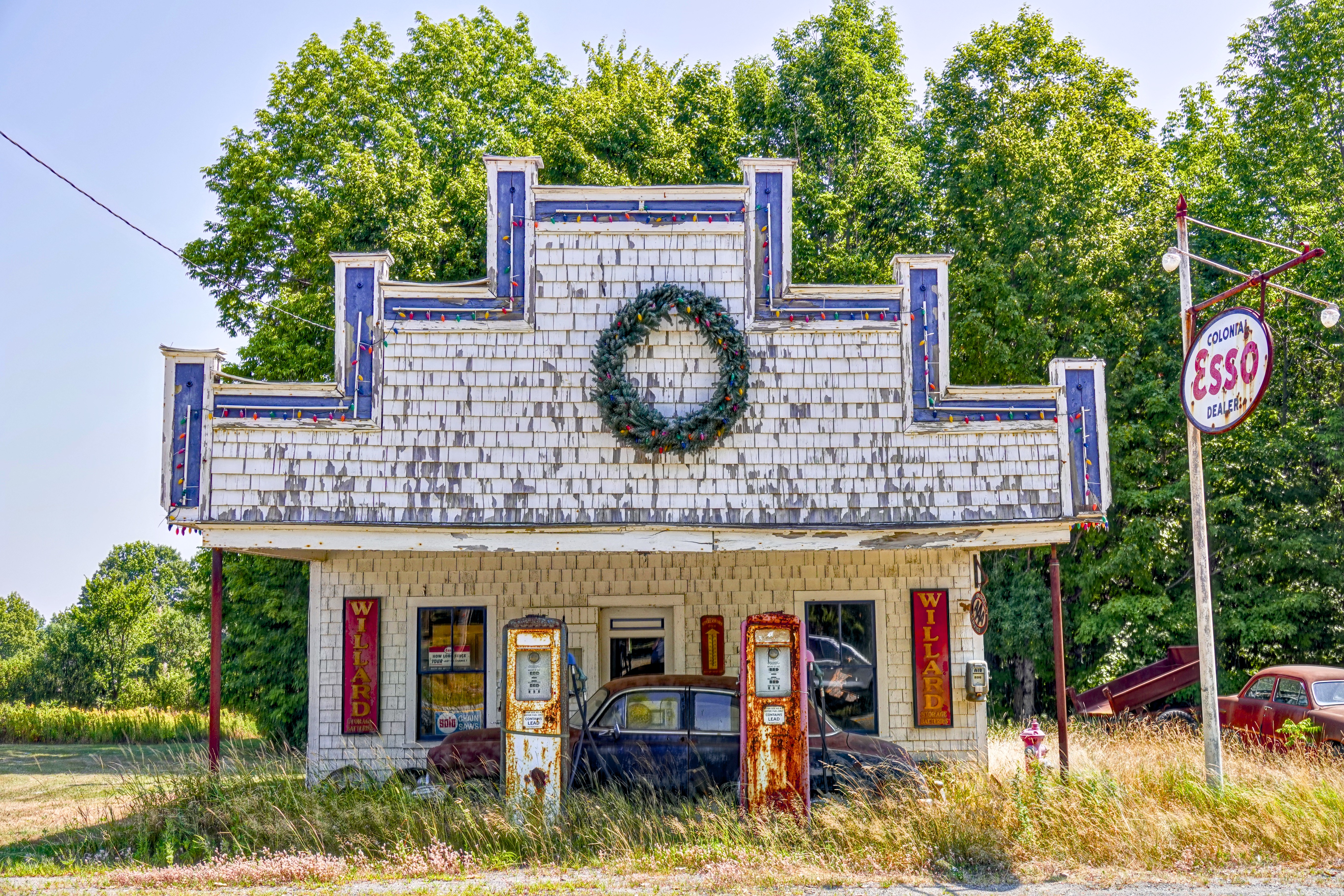
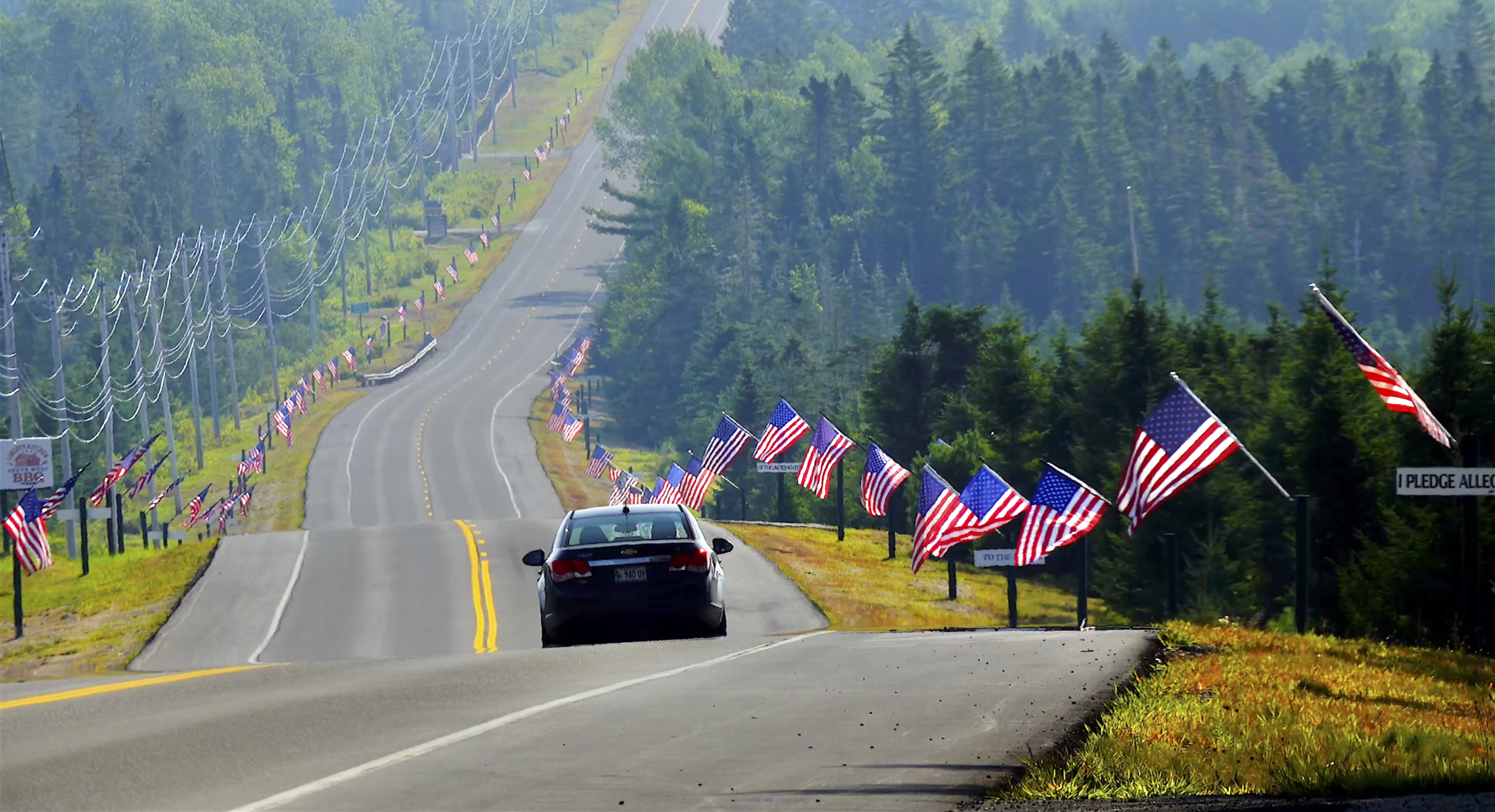
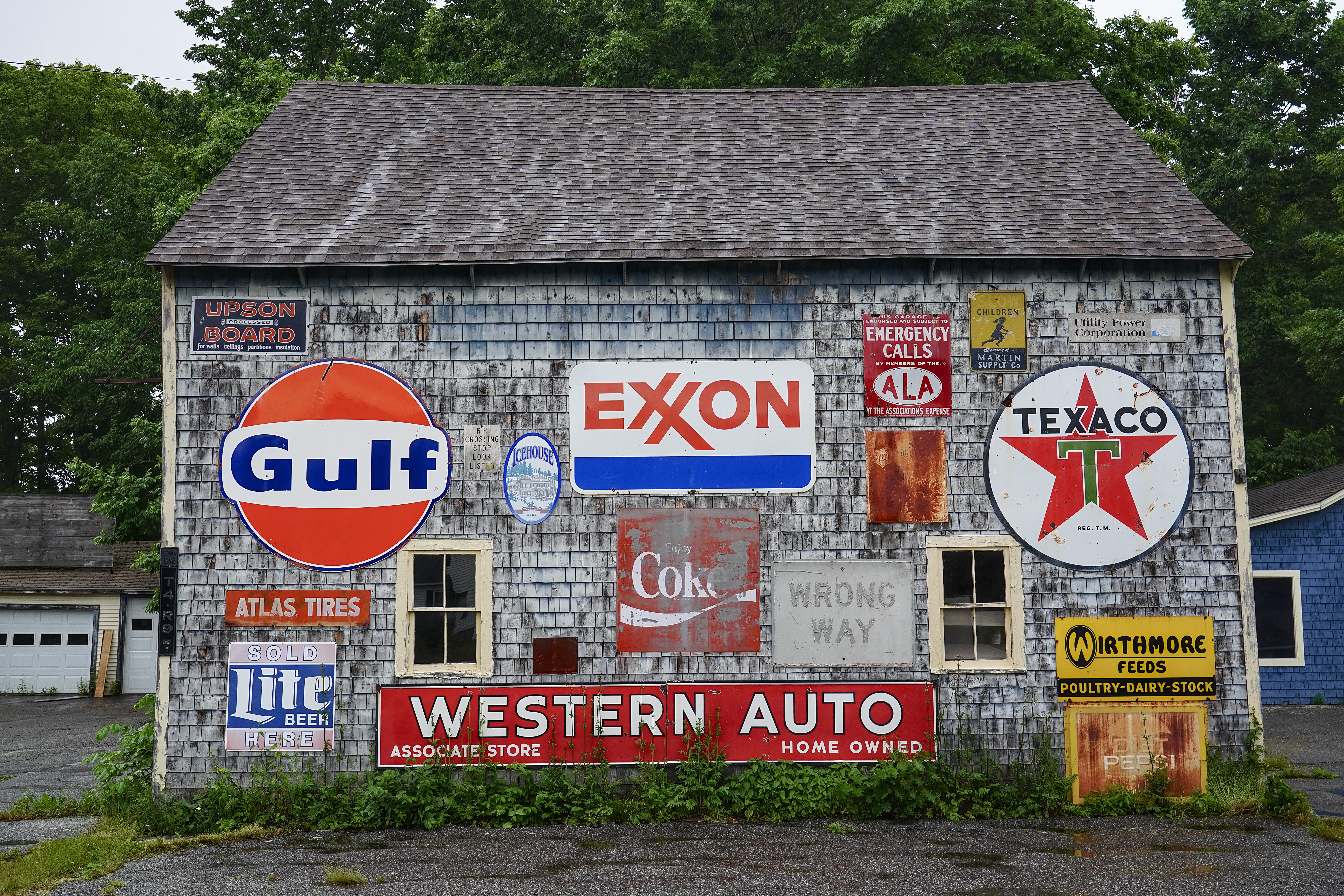
Krist saw a colorfully dilapidated gas station in Waite, north of Calais, and an old barn in East Orland festooned with signs for Coke, Lite Beer for Miller, Texaco and many companies. He saw a parade of American flags lining the highway around Columbia Falls, and filmed L.L. Bean’s famed Bootmobile in Freeport. Krist also visited the Ogunquit Playhouse, as well as many other places along the road.
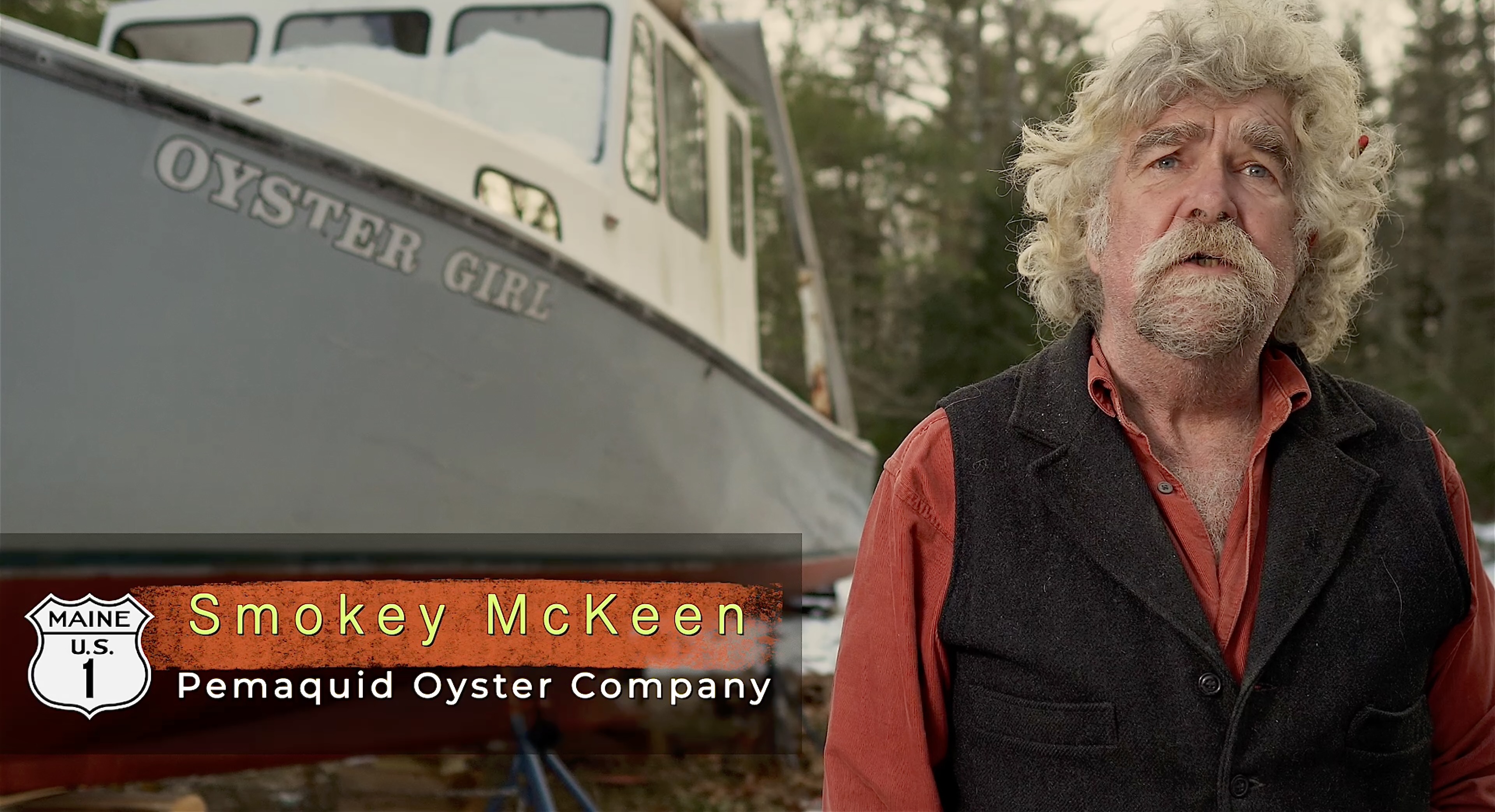
He also filmed and interviewed people along the way, including some who run various attractions and some who maybe are the attraction. These included Autumn Mowery, the young woman who took over and kept alive Ellsworth’s remaining candlepin bowling lanes and Smokey McKeen, an oyster farmer on the Damariscotta River.
He talked to Kevin McCartney, who runs the Maine Solar System Model, which spreads out for a hundred miles or so from its center at the University of Maine at Presque Isle. Pluto is in Houlton and Saturn is in Westfield, for instance.
“I found so many great people. The woman who runs the bowling alley had an amazing story,” said Krist. “I didn’t want to find company spokespeople, I wanted people with an edge of authenticity.”
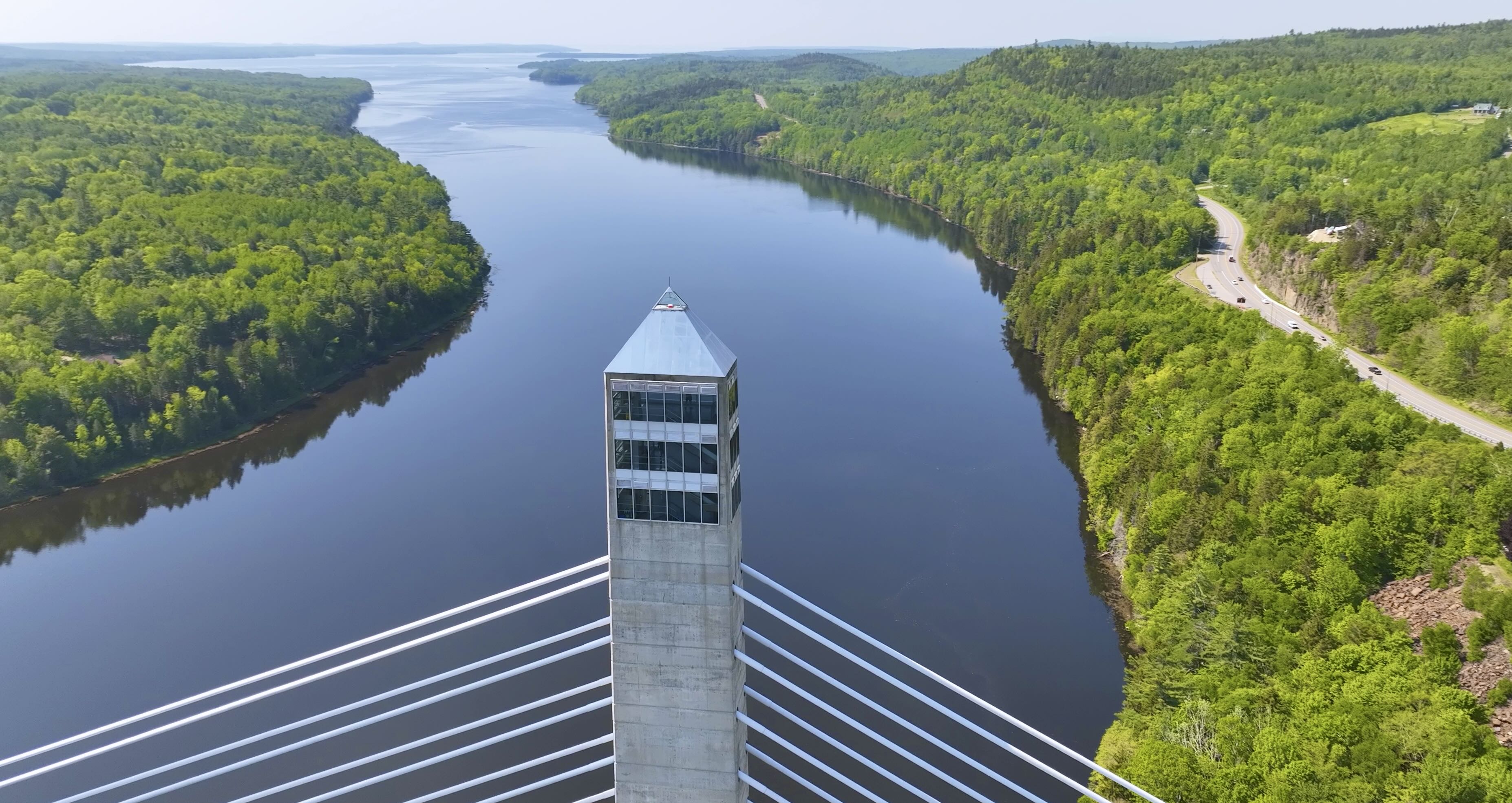
He also talked to blueberry growers at the Wild Blueberry Heritage Center in Columbia Falls, near Machias, where the main building is a dome shaped and painted like a blueberry. His film captures the stunning landscape to be seen from the 420-foot-tall observatory at the Penobscot Narrows Bridge in Prospect, near Bucksport. It’s taller than the Statue of Liberty and the tallest public bridge observatory in the world, according to the Maine Department of Transportation.
At the Yarmouth offices of Garmin, which makes GPS-enabled technology, Krist got a personal tour of the workings of Eartha, the giant rotating and revolving globe model in the building’s atrium. The globe is more than 41 feet in diameter, weighs 5,600 pounds and was built in the 1990s, when Maine Atlas Gazetteer makers DeLorme were in the building. It rotates, slowly, and people are invited in to watch it for free.
“The guy who took care of Eartha talked about how often the bolts had to be changed to keep it running,” said Krist. “I had seen Eartha before but never with that level of specificity.”

We invite you to add your comments. We encourage a thoughtful exchange of ideas and information on this website. By joining the conversation, you are agreeing to our commenting policy and terms of use. More information is found on our FAQs. You can update your screen name on the member's center.
Comments are managed by our staff during regular business hours Monday through Friday as well as limited hours on Saturday and Sunday. Comments held for moderation outside of those hours may take longer to approve.
Join the Conversation
Please sign into your CentralMaine.com account to participate in conversations below. If you do not have an account, you can subscribe here. Questions? Please see our FAQs.