

SOUTH PARIS — Modular construction has been around longer than most people realize, and it played a role in relieving the housing crisis that came with the California Gold Rush of 1848. More than 5,000 preassembled homes were built in New York and shipped to California.
By the turn of the century, a Massachusetts company started manufacturing modular homes and sold them through a catalogue. Sears, Roebuck & Co. and Montgomery Ward soon followed and sold hundreds of thousands of modular homes for decades.
Since then, modular housing in the U.S. has had an identity crisis — disparaged by an association with mobile homes and inferior quality. Yet, modular construction today has changed dramatically. The industry is capable of putting out superior quality, energy efficient, affordable, single-family, multifamily homes and commercial buildings.
The question becomes can modular home construction help ease the housing quandary in Maine? Proponents offer a resounding yes. But there are roadblocks — from the inferior quality stigma to quirky Maine laws.
A typical modular accessory dwelling unit, or ADU, will often sell for under $300,000, depending on size, location and customization. Some energy efficient modular homes range up to $600,000.
Maine home prices increased 3.47% to a median sales price of $395,000 in February, according to the Maine Association of Realtors.
A Maine legislative working group report, released in December 2025, stated: “Maine faces a severe housing shortage, with demand far exceeding supply in many communities.”
The report concluded modular construction could be part of the solution, stating in the executive summary: “By improving our regulatory framework and increasing adoption of new building systems across the industry, Maine can unlock swifter production and more attainable, quality housing.”
According to U.S. Census Bureau data, modular construction makes up just 3% of the new home construction in this country. In Europe and Japan that figure ranges from 15%-80%.
MODULAR MAKING SENSE
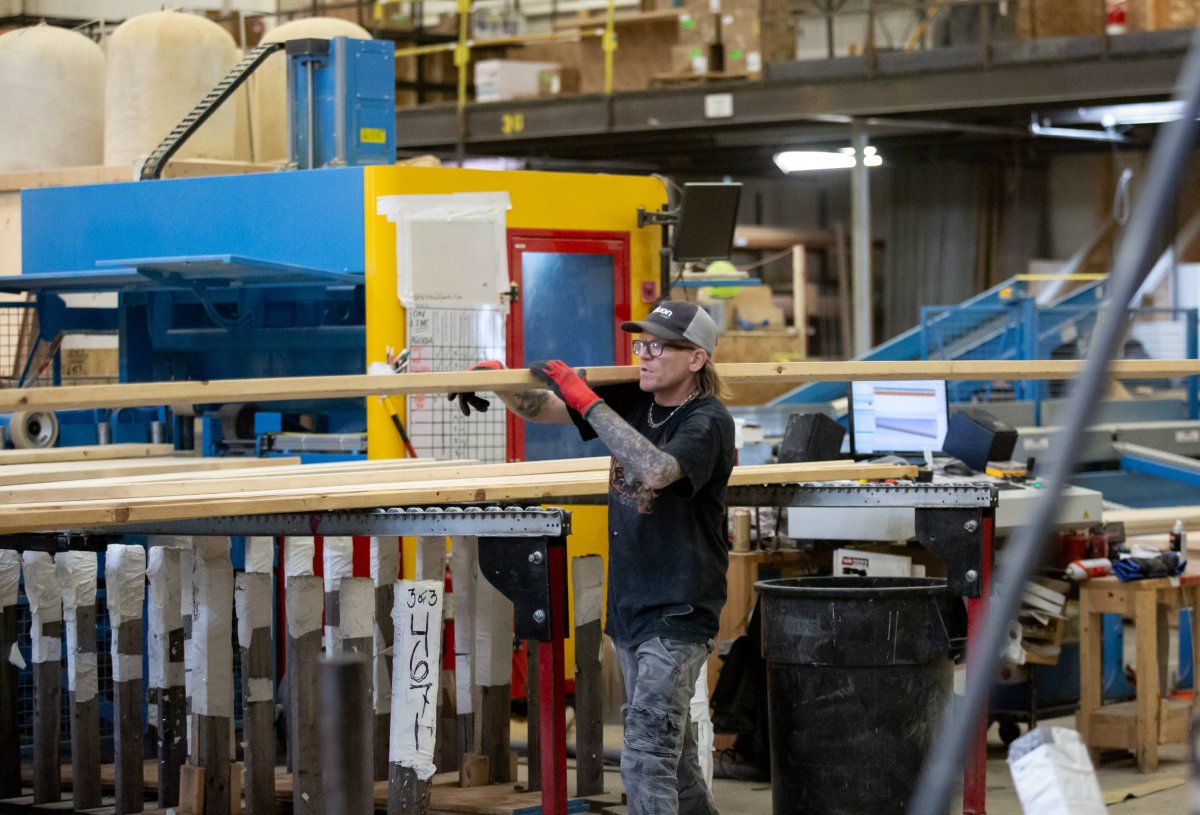
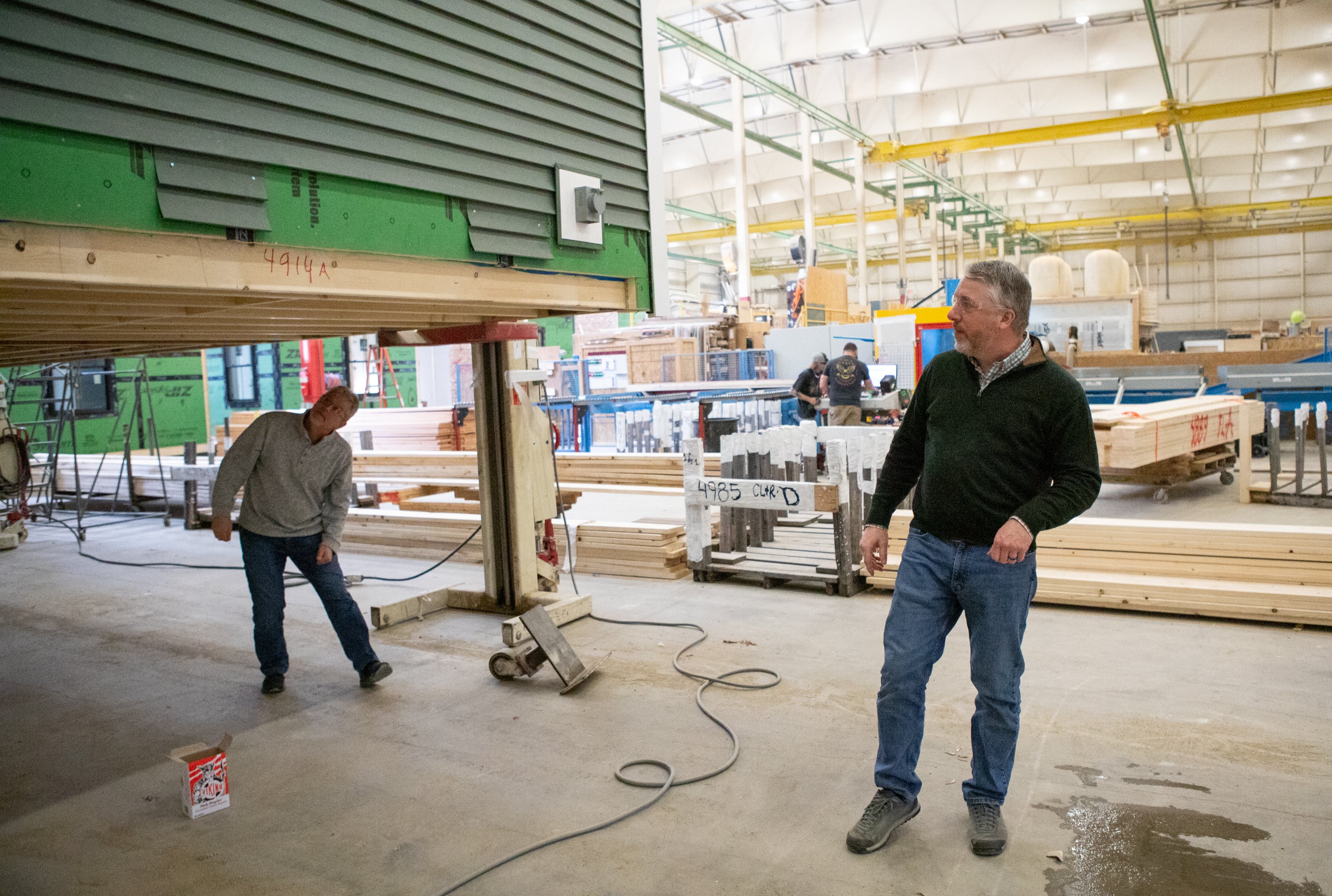
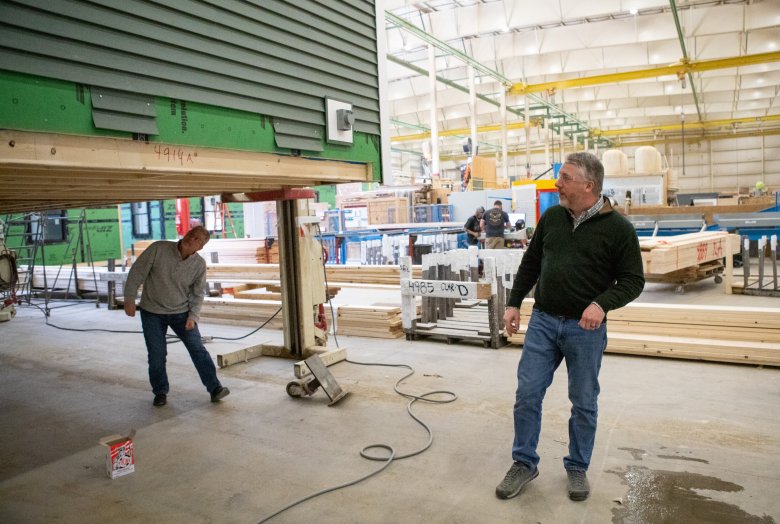
Inside the sprawling KBS Builders on Route 26 in South Paris, the largest such plant in Maine, about 120 employees turn out 300 homes a year — half of the factory’s capacity. And there’s a second plant nearby that, for now, serves as storage.
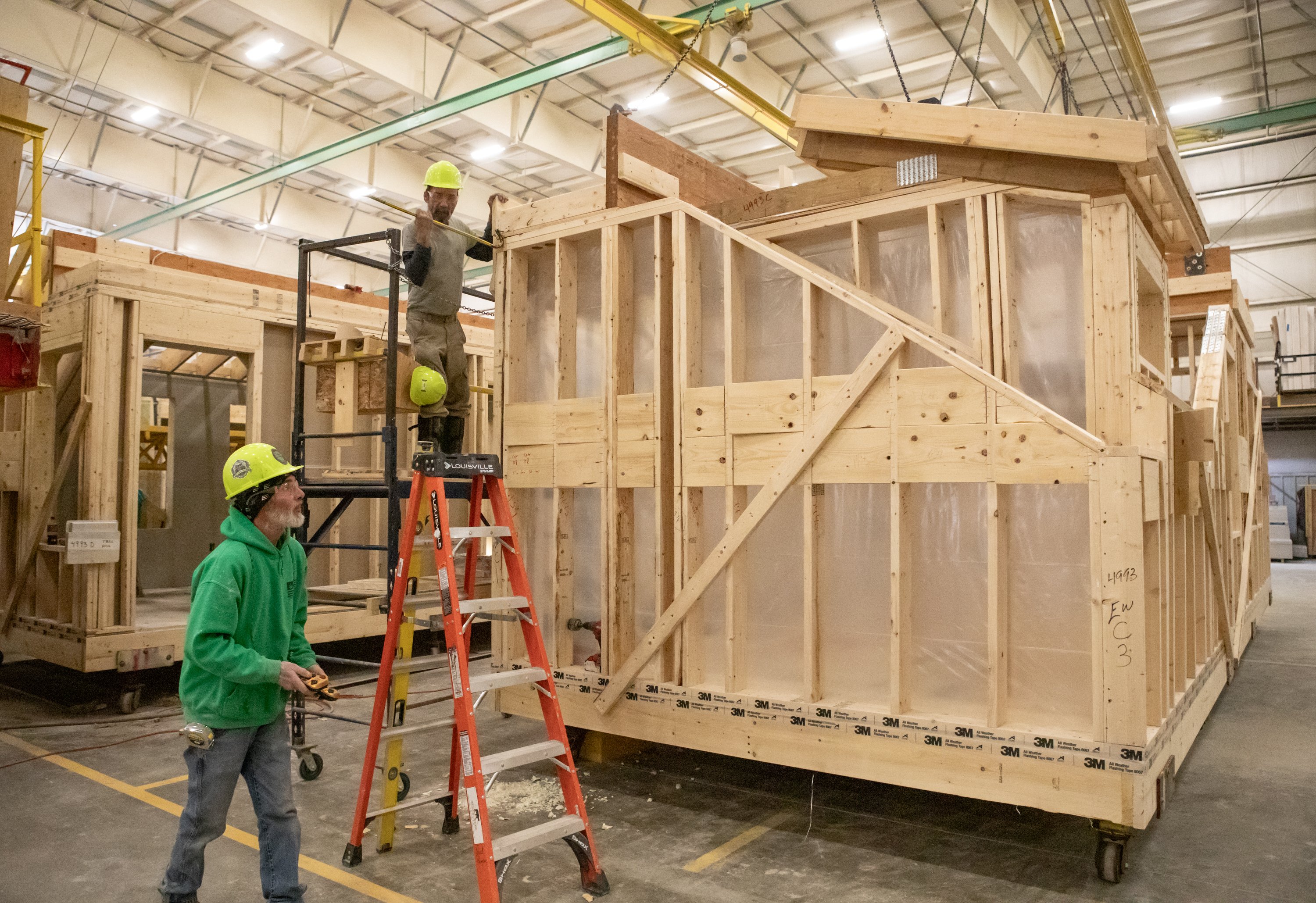
KBS President Thatcher Butcher would like to be running both factories full tilt. But he can’t. Not because he can’t find the workers, but because of quirks in Maine law and regulations.
Maine is the only state in the Northeast — and one of very few in the country — that requires
a specific license for the installation and sale of modular homes.
Butcher explained it this way. “You’re XYZ Builders and you want to go and build that 10-story build in downtown Portland. You could go apply for a permit tomorrow and build that building with zero licensure.
“But if you were to apply for a permit to put that modular ADU on a foundation you need a license,” he added, referring to an accessory dwelling unit, or in-law suite.
The Housing Production Innovation Working Group concludes in its report to the Legislature that the state should remove that requirement. The report says Maine should instead move to a system used by other states that grants a letter of approval to manufacturers.
Building codes are also muddled when it comes to manufactured homes. One- and two-unit homes and townhouses are governed by a different set of codes than multifamily units (three-plus).
The legislative working group report suggests that to meet demand, Maine must create an estimated 84,000 housing units by 2030.
But whether Maine needs 80,000 more units of housing by 2030 is a moot discussion. It’s physically impossible.
What’s in focus is what kind of housing is most in demand now and for the foreseeable future. What works in Portland may not work in Oxford.
What many home buyers in Maine are looking for are smaller starter homes, one- to two-bedroom apartments or accessory dwelling units, yet much of the new construction is single-family homes on a few acres.
“I’m not naive enough to think there’s just one solution or there’s just one problem,” Butcher pointed out. “You know, one of the things that I think we run into most often is issues with affordability in terms of what the market could sustain, or what people can afford.”
Julien Jalbert is an architect with the Knickerbocker Group in Portland, which offers predesigned homes on a smaller scale. He wrote his thesis on modular construction and says modular, or off-site construction, is just faster.
“Off-site construction affords you many things you don’t see,” he said, like year-round work largely unaffected by weather. “It’s a better product you end up with in a controlled environment and you minimize waste.”
At KBS, even wood scraps get used to fuel a boiler that keeps the concrete floor in the factory heated — all 110,00 square feet.
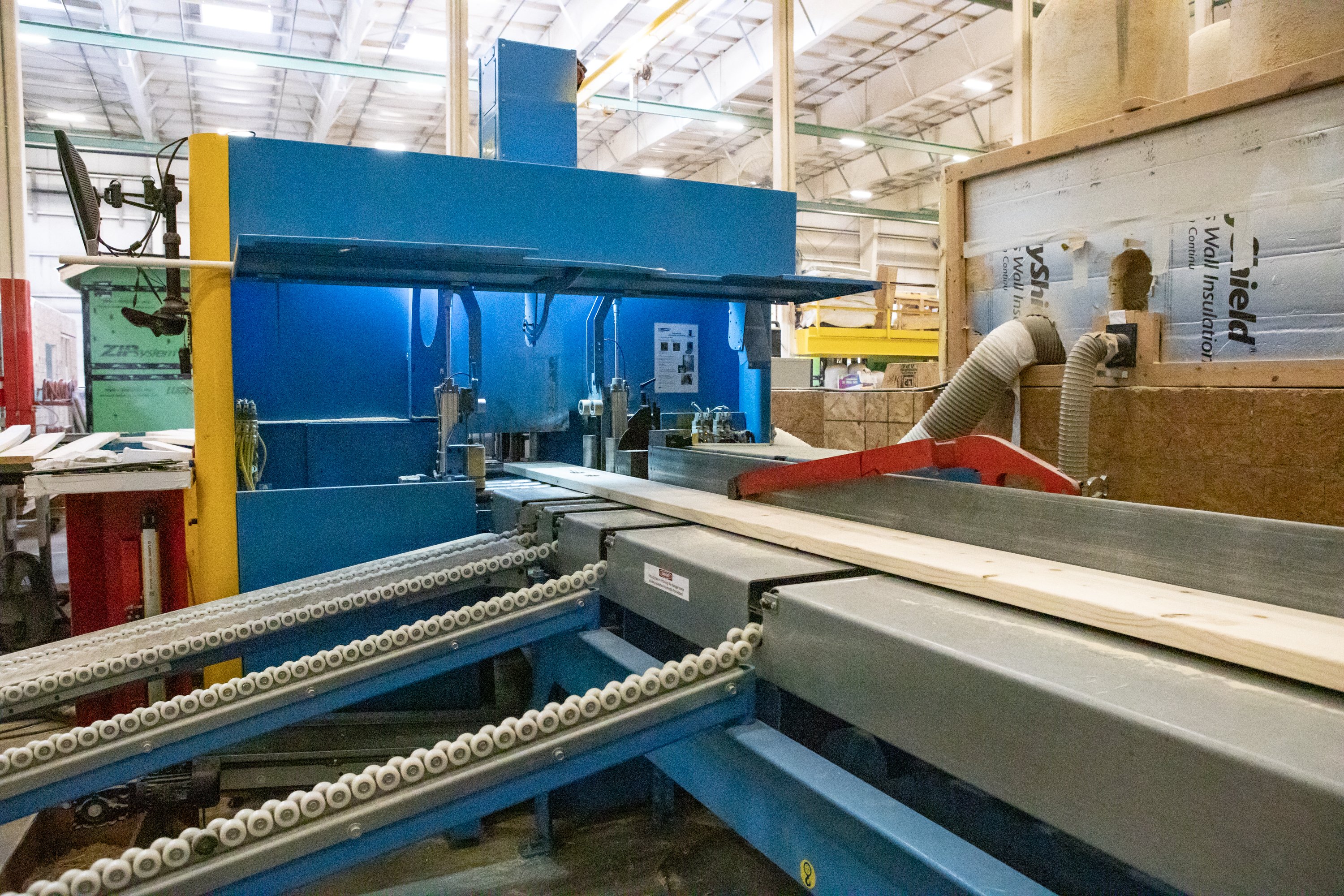
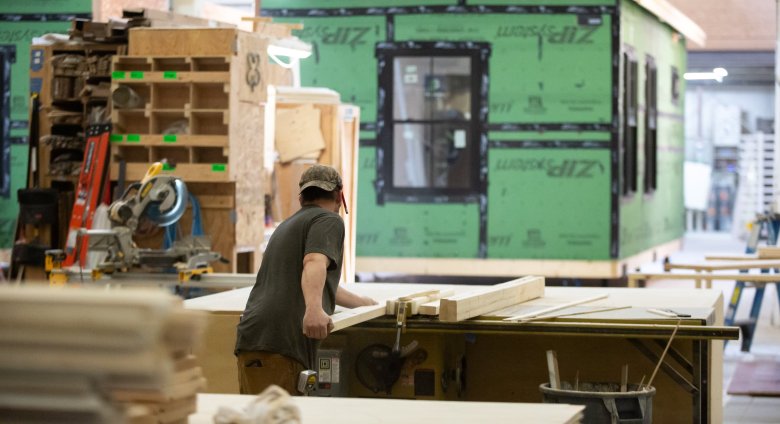
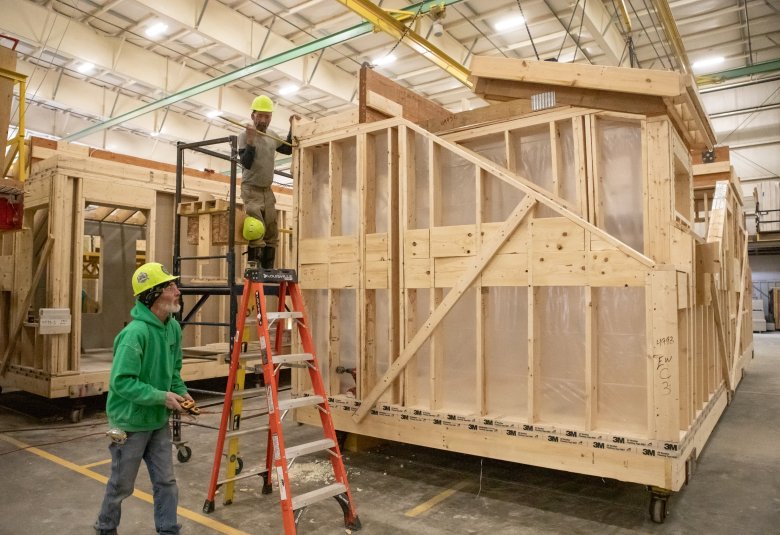
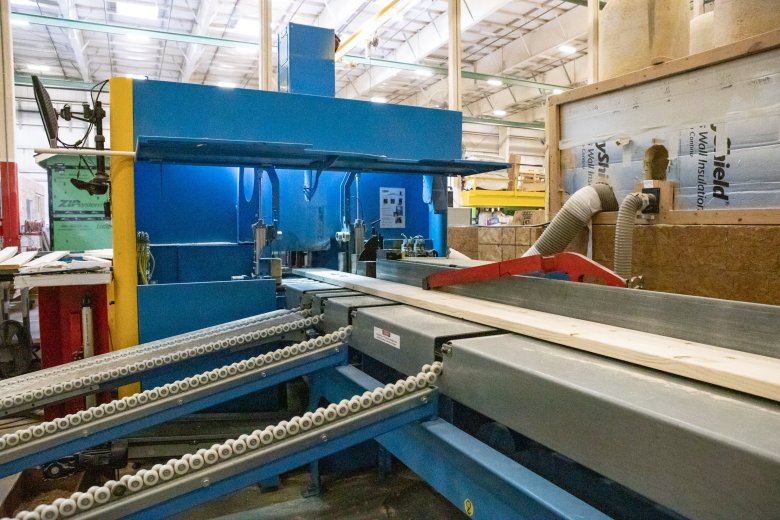
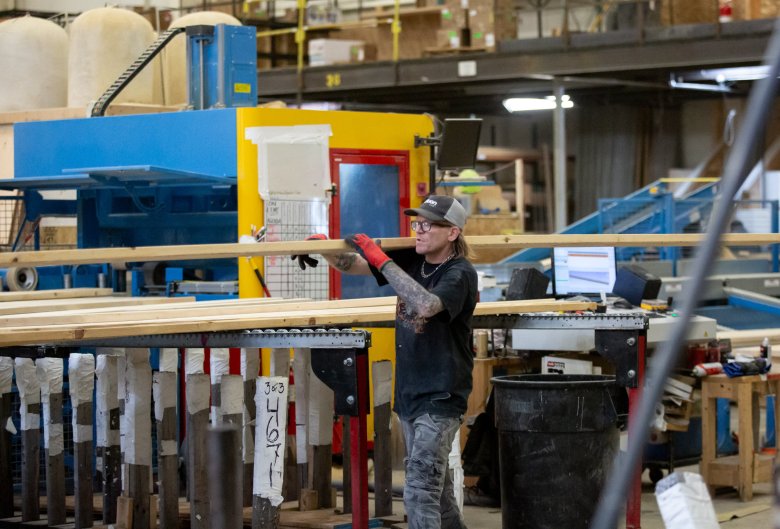
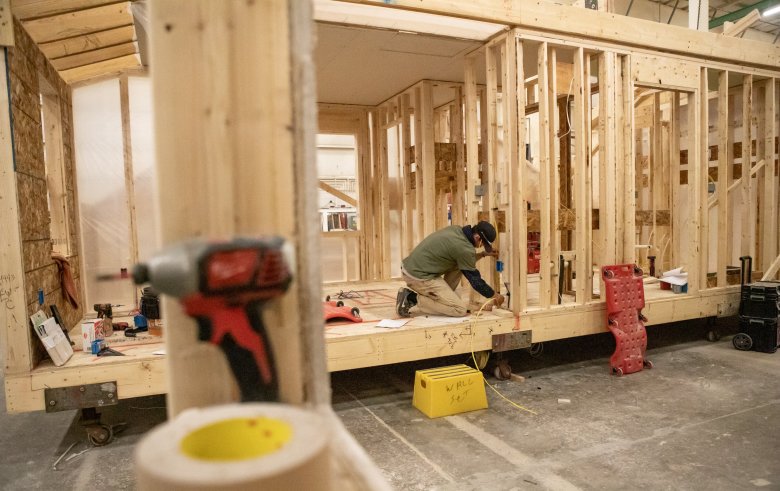
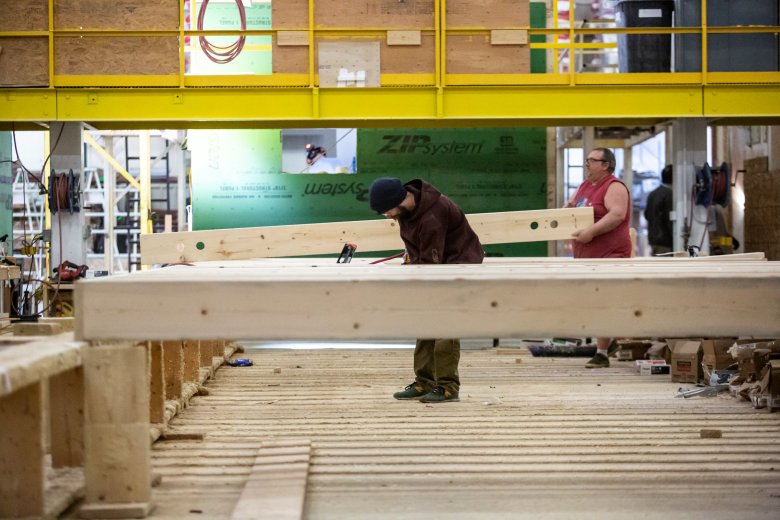
KBS Builders uses a computer numerical control saw to speed up production and provide uniformity and quality control to its process. It uses 16 stations where units take shape — adding floor joists, walls, roofing, wiring, plumbing, insulation, siding — adding components until the unit is complete and ready to be shipped to the site for installation.
“We’re insulating and air sealing at every phase along the way,” Butcher said. “Versus with a site-built house you don’t even begin to think about insulating or air sealing until the very end,” when the house is closed in.
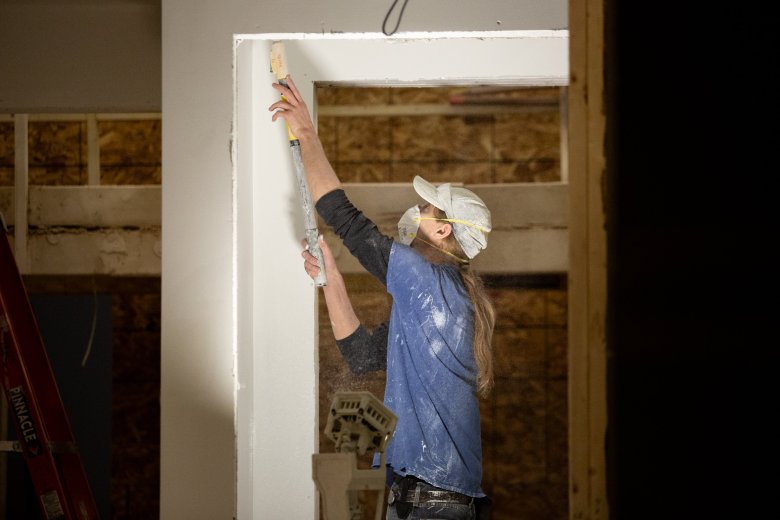
At a modular factory, each team works on a different phase of construction simultaneously, whereas on-site construction usually requires one subcontractor to complete their work before the next one can begin.
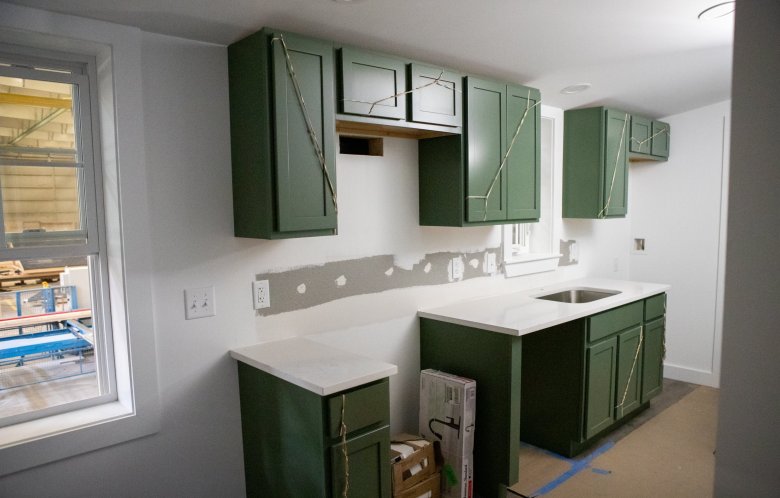
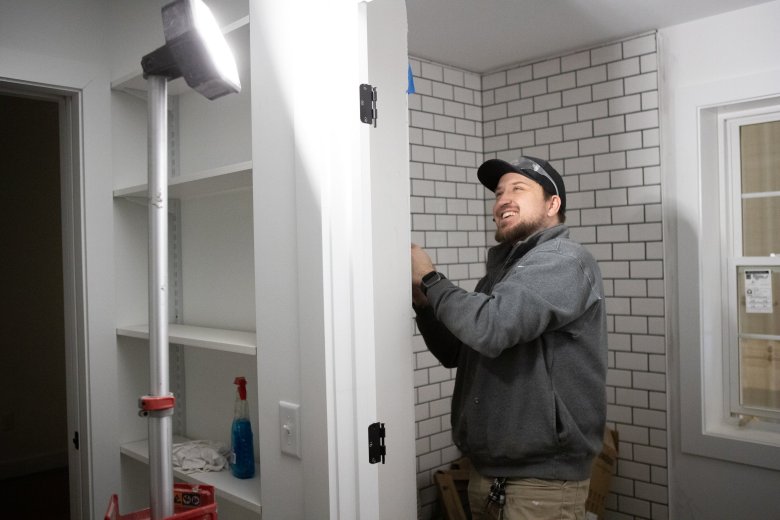
Each project can be different, depending on the developer or builder’s plans, but a unit that takes roughly four days to complete in the factory is delivered mostly completed.
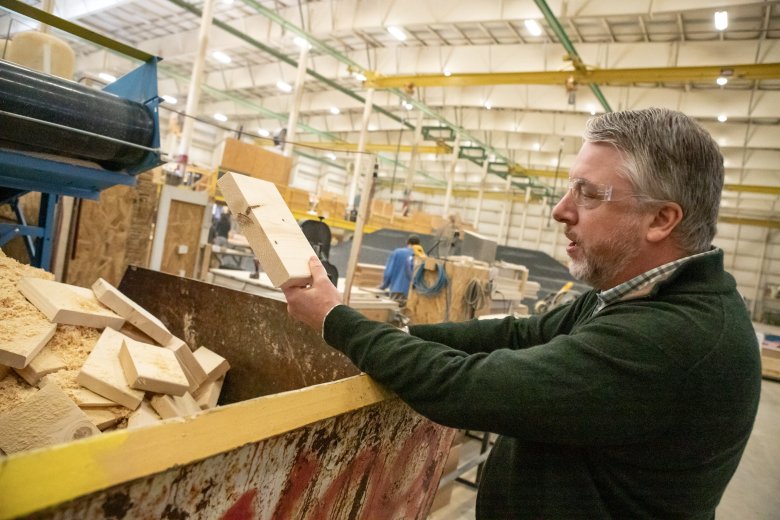
“The (on-site) builder is completing that scope of work that wasn’t done in the factory, and so anywhere from 90% to a 95% completion in terms of the shell of the building or the structure of the building works,” Butcher explained.
Some items like granite countertops are installed on-site because they can crack in transit. Once the modular unit is delivered to the site, it can be ready to occupy in as little as a week to a few months, depending on the complexity of the build.
KBS even has its own trucking and logistics team to deliver the modular units, saving on freight costs, adding a level of reliability and service to the customer. “It’s helped us financially, but it’s also helped us deliver a better product,” Butcher said.
Jalbert says at Kinckerbocker, a two-bedroom modular unit built at their former Wiscasset facility, was completed in just 12 weeks. “Every house we delivered was six months or less,” he said, noting that site-built custom homes would take 12-18 months to build, depending on the size and complexity of the build.
Knickerbocker has collaborated with, and backs the efforts of, Zero Energy Homes in its goal to provide affordable and sustainable housing for Mainers. Together, they’re building modular homes and ADUs in addition to their line of custom homes, with a focus on energy efficient homes built with sustainable products.
Fixed costs like lumber are the same off-site and on-site. The savings come from reduced carrying costs like insurance, loan interest and similar expenses. If a modular home takes six months to build and install and a site-built home takes a year or longer to complete, the site-built project will have higher carrying costs.
LEGISLATIVE SOLUTIONS
The Housing Production Innovative Working Group was composed of 11 members and included legislators, industry leaders and senior government officials, with input from two dozen builders, architects, suppliers and other states.
The group recommended a series of legislative fixes that will take at least another year to come to fruition. There are at least three bills in various stages of the Maine Legislature, including: LD 364, LD 2225, and LD 2230.
Phoenix McLaughlin is the director of strategy implementation at the Maine Department of Economic & Community Development. He staffed the working group and said the changes will take some time.
“All those regulatory changes that were recommended, it basically requires recodifying Maine’s Manufactured Housing Act,” McLaughlin said. “It’s going to be a very extensive — just a technical process of rewriting that whole part of the statute.”
In addition to regulatory changes, which will take at least another year, the Housing Production Innovative Working Group report also recommends that the state create incentives to encourage more off-site construction.
That could be a per unit incentive for each home manufactured in Maine, a prize competition for cost-effective home building and extending the sales tax exemption for industrialized housing.

We invite you to add your comments. We encourage a thoughtful exchange of ideas and information on this website. By joining the conversation, you are agreeing to our commenting policy and terms of use. More information is found on our FAQs. You can update your screen name on the member's center.
Comments are managed by our staff during regular business hours Monday through Friday as well as limited hours on Saturday and Sunday. Comments held for moderation outside of those hours may take longer to approve.
Join the Conversation
Please sign into your CentralMaine.com account to participate in conversations below. If you do not have an account, you can register or subscribe. Questions? Please see our FAQs.