
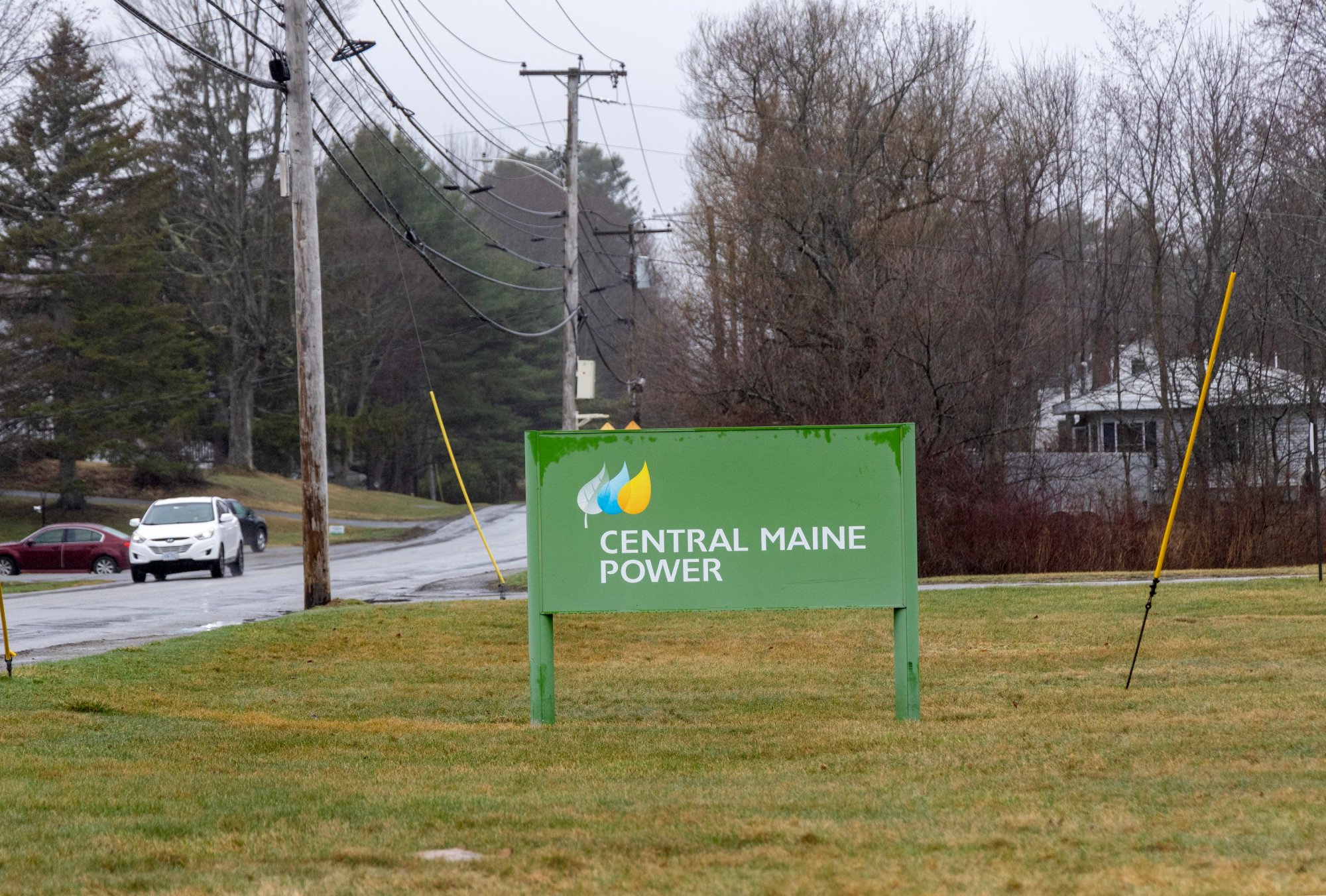

Central Maine Power Co. is seeking a rate change that could temporarily lower electricity bills this summer, but critics say the plan would lead to even higher rates in the long term.
The company on Friday filed a request to increase its revenue by $189 million, of which about $70 million would be included in a temporary rate change aimed to take effect this summer, according to documents filed with the Public Utilities Commission on Friday.
From here, the commission will review the proposal and any arguments from interested parties and public commenters, and it is expected to issue a final decision later this year.
The temporary revenue increase would raise the average household’s bill by about $7 per month starting in July, but it would come just as other charges to cover previous years’ storms roll off customers’ bills.
Together, those changes would add up to a net decrease of about $4 per month for the average household’s bill, CMP said in a Friday release.
“Today, we submitted a proposal that would reduce electricity bills starting this summer, striking a careful balance between affordability and reliable service,” said Linda Ball, CMP’s chief executive, in a written statement. “This plan also allows us to continue the progress CMP has made in reducing both the frequency and duration of outages.”
But Heather Sanborn, who represents ratepayers as the state’s public advocate, said that reduction would be greater if not for CMP’s attempt to increase other charges.
“Without this temporary rate request, customers would see their bills go down by about $11 a month,” Sanborn said.
Sanborn said the proposal would ultimately increase the average household’s distribution charge — the cost to deliver electricity to customers — by about $18 a month when the full change takes effect in May of next year. The Natural Resources Council of Maine said the same in a Thursday blog post.
But CMP argues that, with the decreased storm costs, the proposal would only bring the average household’s bill up $7 higher than it is today between May 2027 and April 2028.
The company’s figure only includes price increases related to investment in the distribution grid, so other costs — like storm recovery and electricity supply — may influence overall rates and customer bills in the long term, the company said.
WHERE DOES IT GO?
The company has said these revenue increases will fund upgrades and improvements to Maine’s aging electrical grid as well as an expansion of the utility’s workforce.
With the revenue increase, CMP is proposing to hire more than 35 line workers, install thousands of stronger distribution poles and install hundreds of devices that allow the grid to be controlled remotely. All that, CMP says, should lead to fewer and shorter outages for customers, while lowering the company’s reliance on out-of-state contractors when big storms sweep over Maine.
But critics contend that it will increase the utility’s profits beyond what is reasonable. It is requesting a return on equity of 9.8%, according to Friday’s filing.
“CMP’s filing makes clear that the company is not only seeking to recover higher operating costs and capital investments, but also to increase its profits,” said Sanborn, the public advocate. “This comes at a time when Maine families are already facing the rising costs of everything from gas to groceries and housing.”
CMP is Maine’s largest utility, serving roughly 670,000 customers throughout the state. Friday’s rate filing comes after the commission rejected CMP’s five-year rate plan last year. That proposal would have increased the average household’s bill by more than $400 annually.
The utilities commission is currently developing new guidelines for multi-year rate cases moving forward.
WHAT COMES NEXT?
PUC Chair Philip L. Bartlett II said the commission and its staff will carefully review CMP’s request, noting that the process could take about a year to complete. He emphasized that CMP’s filing is just a request, and it is subject to review and change.
“Our staff scrutinizes every aspect of the request,” he said, describing the general process for a rate case. “Rarely does a full request get approved.”
Commission staff will weigh CMP’s statements with those from intervening parties, like the public advocate, as well as general customer affordability needs, Bartlett said.
Those who wish to express opposition to or support of the plan can do so in written comments submitted through the commission’s website, referencing docket number 2026-00043.
The commission is also planning public hearings during which residents can comment out loud in person or virtually, Bartlett said. The exact details are still being ironed out — and they will be sent to customers in the near future — but the commission is aiming to hold one hearing in South Portland and another in Lewiston in June, Bartlett said.
Though commissioners will read all the written comments submitted online, statements made at these hearings may carry greater weight, since commenters will have the opportunity to provide sworn testimony under oath.
“We can formally consider that as part of our decision,” Bartlett said.

We invite you to add your comments. We encourage a thoughtful exchange of ideas and information on this website. By joining the conversation, you are agreeing to our commenting policy and terms of use. More information is found on our FAQs. You can update your screen name on the member's center.
Comments are managed by our staff during regular business hours Monday through Friday as well as limited hours on Saturday and Sunday. Comments held for moderation outside of those hours may take longer to approve.
Join the Conversation
Please sign into your CentralMaine.com account to participate in conversations below. If you do not have an account, you can subscribe here. Questions? Please see our FAQs.