


As the father of two, Adam Costa was familiar with school lunches and Maine’s commitment to providing free meals for all students. But until recently, he’d never gotten a behind-the-scenes look at how schools are improving the food served in cafeterias every day.
Costa, the head of production for South Portland-based Lone Wolf Media, spent much of the past year working on “Lunchroom Revolution,” a documentary that highlights efforts in Maine and across the country to serve healthy meals to more students.
What he found were stories of school nutrition staff and communities working together to overcome challenges to get healthy food to kids, reduce stigma and support local economies.
“It made me feel really optimistic for our future,” he said.
The documentary, which premieres next month at the Portland Museum of Art, follows the people behind efforts in Maine, California, New Orleans and Washington, D.C., to bring local ingredients into cafeterias, transforming the meals served to students.
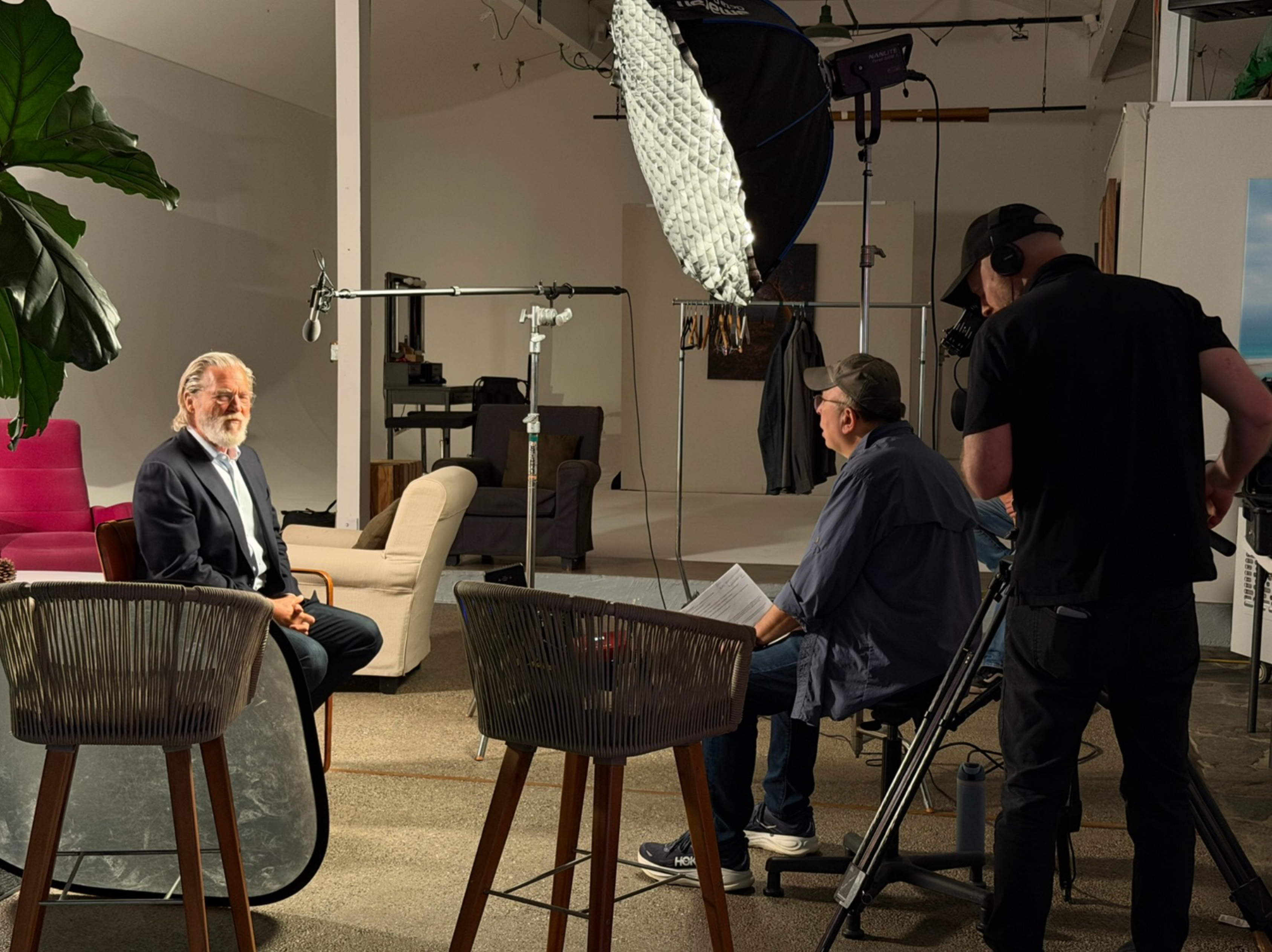
Costa said more than 60% of the film focuses on Maine programs, including an initiative in Somerset County, where jail inmates grow produce for local schools. It also features an appearance by actor Jeff Bridges, who acts as a spokesperson for No Kids Hungry, a national campaign run by Share Our Strength, a nonprofit working to address hunger and poverty.
Each year, 6.7 billion school meals are served across the country, including over 30 million meals to Maine students, according to Costa. The idea for the documentary came from Full Plates Full Potential, a Brunswick nonprofit focused on ending childhood hunger.
Anna Korsen, the organization’s co-interim director, said the idea was to highlight the need to invest in school meal programs and some of the initiatives in Maine that are administered by Full Plates and supported through $8.5 million in funding from the U.S. Department of Agriculture’s Food and Nutrition Service.
The pilot programs are making investments that allow schools to transform the way meals are served in Maine, which was one of the first states to provide free breakfast and lunch to all students, Korsen said.
“They’re running on these ridiculously tight budgets,” she said. “We’re asking them to work miracles every day to provide great meals for kids, pay staff and make sure they have the equipment they need.”
The film, Korsen said, shows what’s possible when local communities come together to support students “and the transformation that can happen for local farmers, families, economies and schools.”
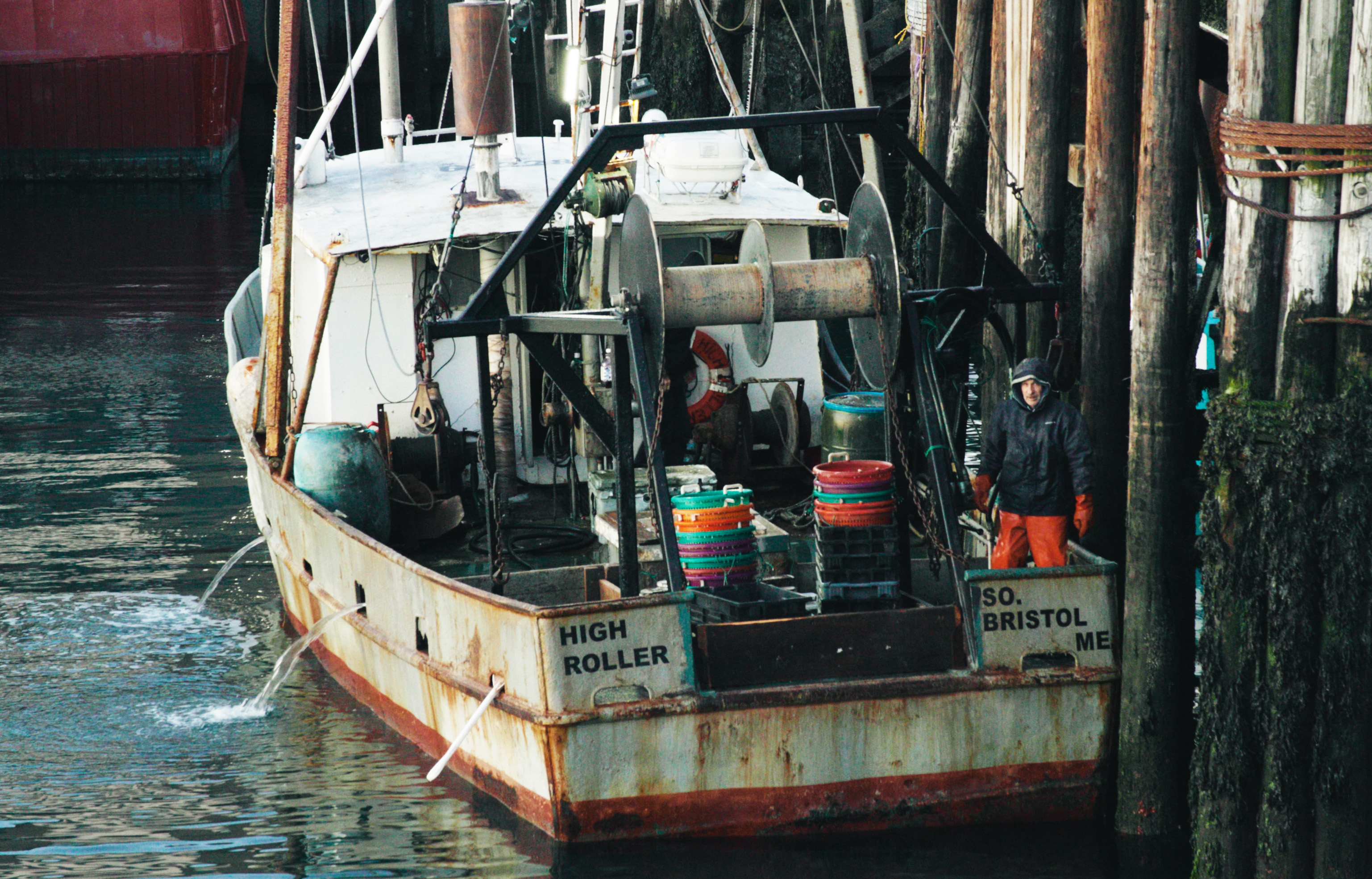
One of the initiatives featured in the film is by the Maine Coast Fishermen’s Association, which buys groundfish from local fishermen and works with local producers to create seafood products to be served in school cafeterias. Susan Olcott, the director of strategic partnerships for the association, said the program also includes working with school staff to teach them how to cook less common kinds of fish, including monkfish.
So far, menu items like monkfish stew, fish cakes made with dab, and sweet potato pollock soup have been popular with students, Olcott said.
Olcott said the partnership between fishermen, producers and schools is a “no-brainer.”
“We have this incredible source of really healthy protein and not all of it is getting fully utilized locally,” she said. “To be able to provide that to students and support the fishermen is such a win-win for everybody.”
The documentary also highlights a food processing hub created by the Auburn, Lewiston and Lisbon school districts.
“We’re seeing the quality of meals getting better and there’s more access to healthy food,” Costa said.
The film premieres May 9 during a sold-out Full Plates Full Potential fundraising event at the Portland Museum of Art.
Korsen hopes the film will help people see the importance of continuing to invest in school meals.
“This shows what’s possible,” she said. “When you take away all these investments, what are you left with? The progress just stops.”
Editor’s note: This story was updated on April 23 to correct the spelling of Susan Olcott’s name.

We invite you to add your comments. We encourage a thoughtful exchange of ideas and information on this website. By joining the conversation, you are agreeing to our commenting policy and terms of use. More information is found on our FAQs. You can update your screen name on the member's center.
Comments are managed by our staff during regular business hours Monday through Friday as well as limited hours on Saturday and Sunday. Comments held for moderation outside of those hours may take longer to approve.
Join the Conversation
Please sign into your CentralMaine.com account to participate in conversations below. If you do not have an account, you can subscribe here. Questions? Please see our FAQs.