Behind the Yellow Door
In downtown Augusta, beneath the Edwards Inn, a space that once sat dark, damaged and forgotten has been rebuilt into something powerful: a place rooted in access and belonging. Today, it stands as proof of what happens when a community refuses to look away and instead chooses to build.
For Courtney Gary-Allen, Executive Director of Maine Recovery Access Project (ME-RAP), the building carries meaning that is both deeply personal and widely shared.
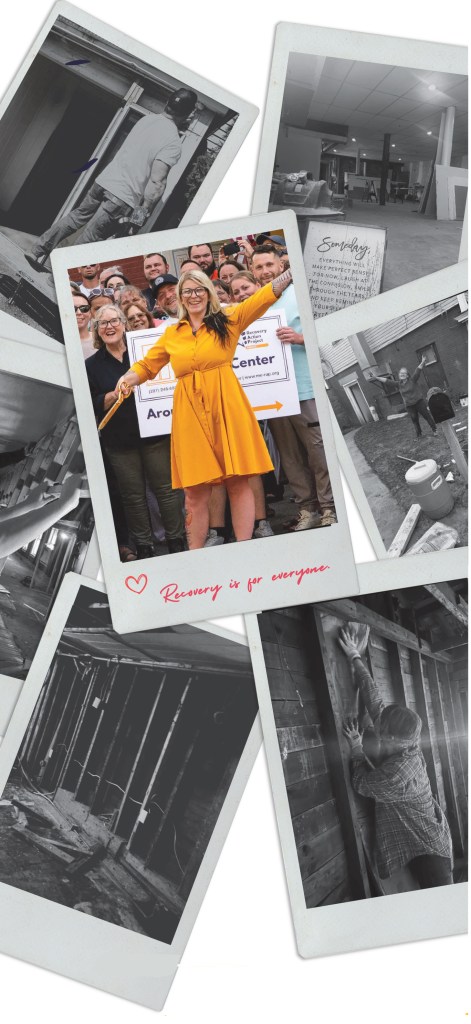
When a friend suggested 47 Water Street, the warning came quickly: the space was in rough shape. But Courtney already knew it. She grew up nearby. The upstairs had once been a place where she used drugs.
Where others saw damage and darkness, she saw possibility and purpose. Like her own journey, she understood that transformation is possible when people are given the chance, the support and the space to rebuild.
So ME-RAP got to work.
This was never just a renovation project. It was a collective act of belief. Courtney worked with code enforcement to understand what it would take to bring the space back to life. The team came together to imagine what it could become. Staff, board members, volunteers and partners each stepped into their role. Some called donors. Some wrote grants. Some designed the space. Others reviewed construction plans and secured bids. Together, they built the foundation, financially, structurally and emotionally.
On February 8, 2025, Courtney’s birthday and tenth sobriety date, they broke ground. More than 20 volunteers showed up that first day. In the months that followed, more and more people joined. They painted, cleaned, built, hauled, installed and transformed the space piece by piece. What began as a neglected basement became something entirely different, something created by community, for community.
On July 9, 2025, more than 200 neighbors, volunteers and partners gathered to open the doors of what is now known as the Access Center, a recovery community center in the heart of downtown Augusta.
Something Different is Happening.
From the moment you walk through the yellow door, the difference is clear. The space is bright, open and welcoming. It is designed not just to provide services, but to create a sense of safety and belonging. During the day, it operates as a drop-in center where people can meet their basic needs, take a shower, connect with a recovery coach, access resources, use computer, or simply visit with friends and neighbors. No one is required to be anywhere other than where they are.
In the evenings and on weekends, the space shifts. Recovery coaching continues. Meetings take place, including 12 Step, All Recovery, and groups for youth and families. But participation is not forced. That separation is intentional. It allows people to engage in ways that feel right for them, at their own pace, on their own terms. This model reflects a broader understanding of recovery. It recognizes that healing is not one-size-fits-all. It is built through connection, consistency and choice.
Programming at the center reflects that belief. Alongside traditional recovery supports, the space hosts community-building events like art nights, barbecues, dances, bingo and other gatherings that create opportunities for people to connect without expectation. These moments matter. They create belonging, and belonging is often where recovery begins.
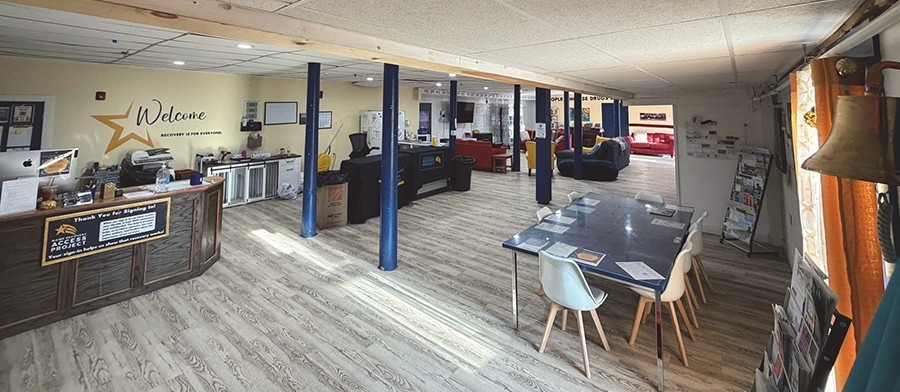
The center also brings services directly to the people who need them. Through partnerships with local providers, participants can access medical care, case management and recovery support on site. Health services are a cornerstone of the work. Individuals can receive HIV and hepatitis C testing, along with immediate linkage to care. Additional services include wound care, reproductive health support and access to treatment options, including medication-assisted treatment for substance use.
Beyond its walls, the work continues.
Outreach is central to ME-RAP’s mission. Through Project Doorstep, teams go into neighborhoods, knocking on doors, having conversations, distributing naloxone and training community members on how to respond to an overdose. These efforts are grounded in a simple belief: people deserve the tools to keep each other alive.
The impact is both visible and deeply felt. Since opening, the Access Center has connected 89 people to treatment and stable housing. It has created a consistent place for people to go, especially during extreme weather when being indoors can mean the difference between safety and death. It has supported 11,500 drop-ins and 353 recovery support groups with more than 4,000 in attendance, hosted 34 community clean ups and so much more.
But not all impact can be measured in numbers.
The Access Center represents a different way forward. It challenges traditional models by integrating recovery support, basic needs and community connection into one space. It centers on dignity. It prioritizes access. And it trusts people to define their own path.
What was once a forgotten basement is now a living, breathing space filled with light, connection and possibility.
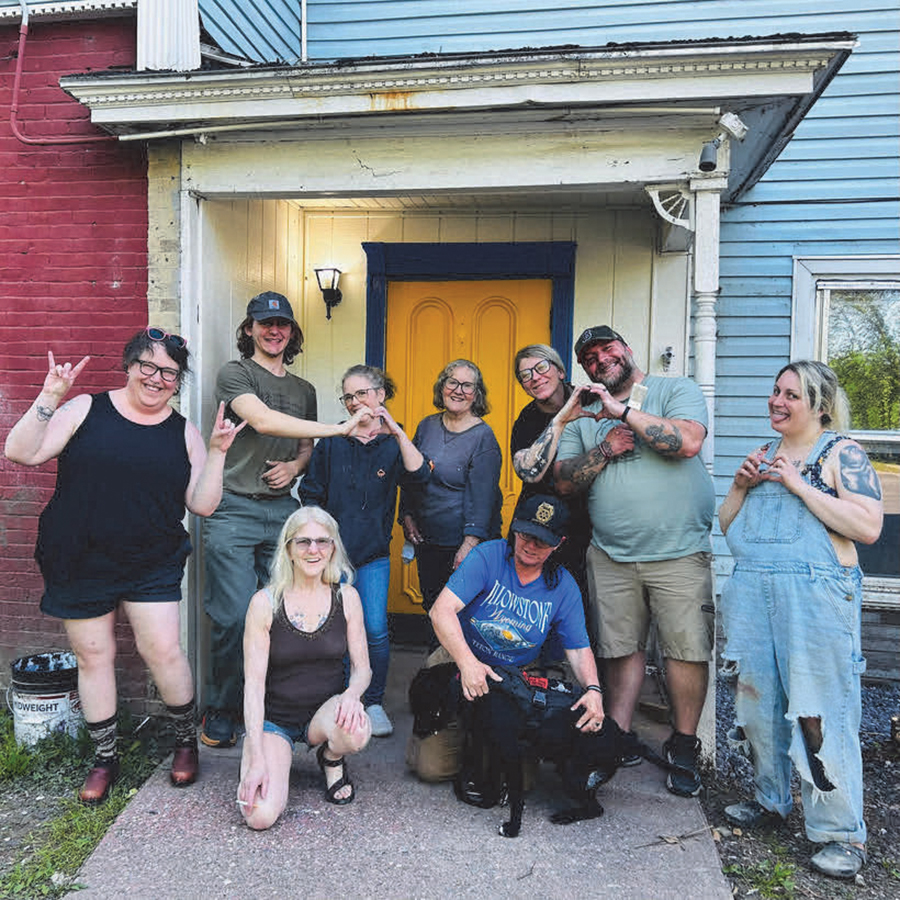
Behind the yellow door, something different is happening.
(207) 248-6033
47 Water St., Augusta, Maine
www.me-rap.org