

On Memorial Day 1960, my 8-year-old twin brother Don and I sat on the pigpen fence, having just completed our barn chores on our grandparents’ dairy farm in Mercer. Awaiting Grammy Lue’s brass-horn breakfast call, we rocked back and forth until the fence collapsed.
Smeared with slop, we raced into the farmhouse and yelled, “Grammy, the pigs have escaped.” To ease the tension, Don chimed in, “But Mr. Chubby (our 250-pound boar) is no longer bunged up.”
After days of constipation, Chubby took care of business in Grampa’s potato patch. Henrietta — the matriarch of our Barred Rocks — was busy digging for grubs when the pigs stampeded by. Panic-stricken, she laid an egg on the lawn while scurrying to hide under the lilac bush.
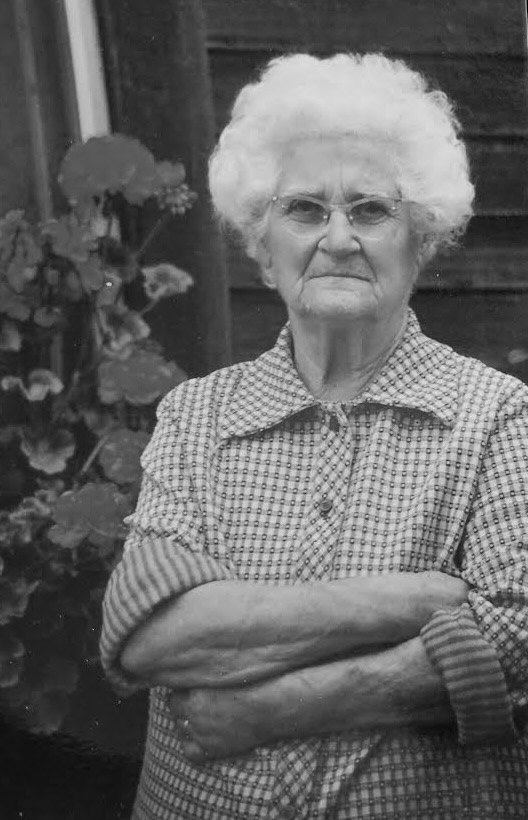
“You boys have been told a dozen times not to sit on that fence,” Grammy Lue snapped. “Now fetch those pigs and Henrietta’s egg.”
Once the fence was repaired, we coaxed the hogs into the pen with sweet potatoes. Resolving the pig calamity had consumed an hour, and by the time we’d washed and changed clothes, Grammy’s baked omelets were cold, matching her disposition at the breakfast table.
“Ol’ Mr. Chubs was a sight to behold, Lue,” Grampa said, winking at us boys. “He musta ate a quart of your stewed prunes.”
To stifle laugher, I stared at a decorative wall plate featuring a rooster in a top hat, a hen wearing a bonnet, and a poem: “Said the Little Red Rooster to the Little Red Hen, ‘You haven’t laid an egg since God knows when.’ Said the Little Red Hen to the Little Red Rooster, ‘That’s because you don’t come around as much as you uster.’”
The farm art was confusing, given Grammy’s utter contempt of our current rooster, Big Red, and his predecessor, Rufus.
Once, when Don left the farmhouse door open, Big Red stepped into the parlor while Grammy emptied the chamber pots behind the barn. When she returned and spotted him perched on Grampa’s La-Z-Boy, she chased Red around the room with a broom. In his haste to find an exit, he toppled Grampa’s brass spittoon, spilling its contents. As a God-fearing Yankee, she saved her cursing for moments like this. Don and I sprinted to the barn. At noon, Grampa climbed a ladder to the hayloft, spit out a plug of tobacco, smiled, and assured us it was safe to return to the farmhouse.
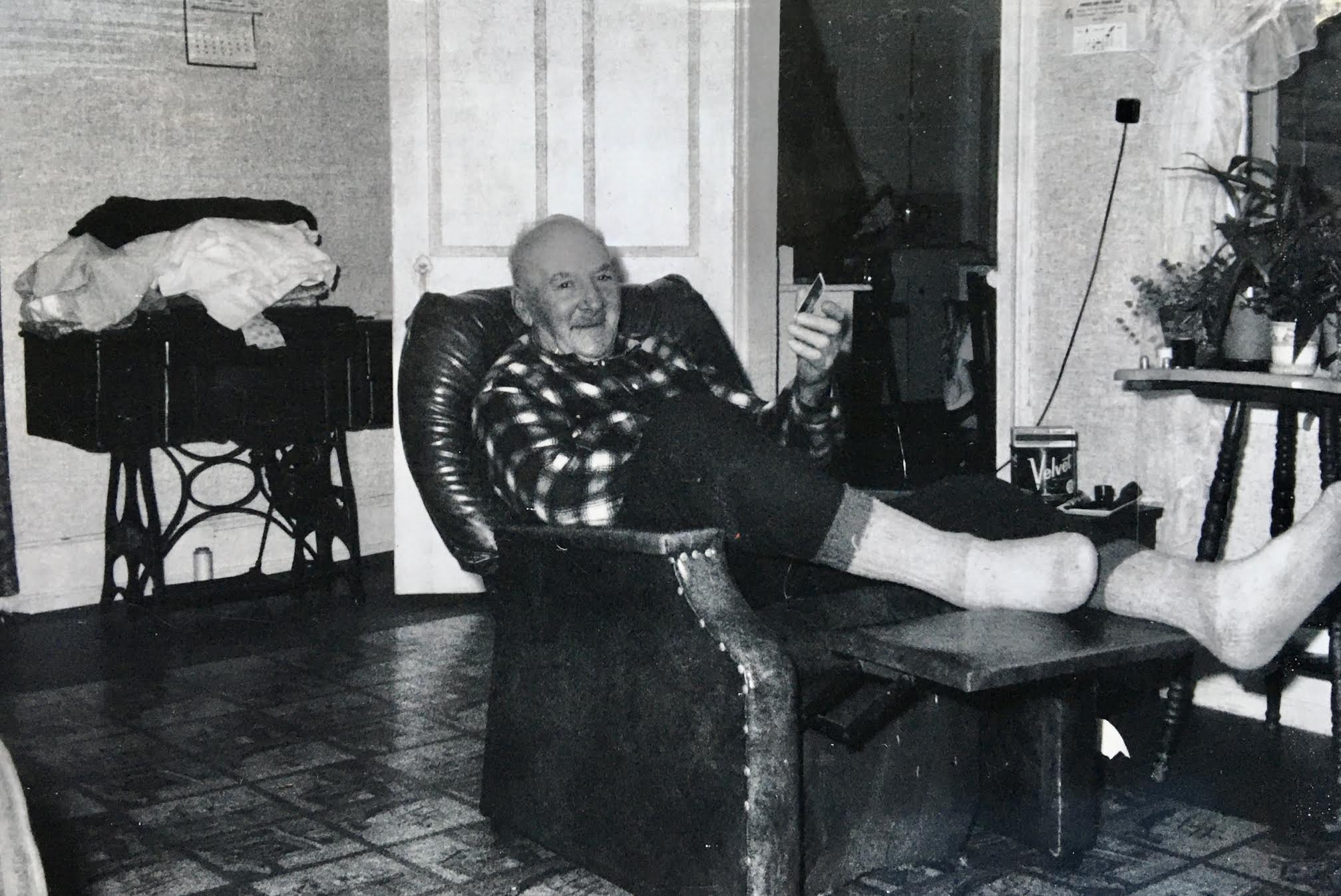
Big Red, Grammy grumbled while serving fish chowder, wasn’t much of an improvement over Rufus, whose habitual drunkenness led to his tragic death. On Easter Sunday, Rufus became tipsy eating shriveled, fermented Concord grapes that had overwintered on the arbor. By week’s end he was an alcoholic — an unpardonable sin to our grandmother who believed Prohibition should never have ended.
Her chronic high blood pressure skyrocketed when Rufus’ slurred vocalizations and staggered gait greeted egg and dairy customers. Mom gently suggested we find him a new home. “No,” Grammy barked, “he’s eaten nearly all the grapes. When they’re gone, maybe he’ll sober up and make something of his-self.”
When reports of Rufus’ daily intoxications appeared in the weekly newspaper, Bea — our Ma Bell operator and prolific gossiper — provided curiosity seekers with directions to our farm. Grampa suggested we capitalize on the publicity by erecting a roadside sign: “See a drunk rooster for ten cents. Special family rates, twenty-five cents.”
A week later, when a second journalist’s phone call interrupted supper, Grammy erupted. “No, you can’t see the rooster, ‘cause he’s dead,” she yelled into the mouthpiece. “Now you listen to me, young man, that drunk rooster done got his-self killed by a fox. Served him right.” Seizing the moment to espouse the evils of alcohol, she unloaded, “Now let that be a lesson to your readers. Booze leads to nothin’ but trouble.” Grampa, who stashed jugs of Old Crow in the barn, nodded at my brother and me and said, “Finish your baked beans, boys, and help me put the chickens to bed.”
That evening, as we settled beneath the patchwork quilt in our upstairs bed, Grampa discussed the following day’s plans. “Tomorrow, after finishing our barn chores,” he said, “we’ll take Colonel down to the intervale to dismantle the old beaver dam that’s flooded the corn field. You boys can ride Colonel back to the barn.”
Colonel was Grampa’s chestnut Belgian workhorse. We loved him, in part because he was a prankster, often nudging the back of Grampa’s engineer’s cap so the bill rested on the bridge of his nose. And when the old horse whinnied, which resembled laughter, Grampa often chuckled and said, “Oh that Colonel, he’s full of piss and vinegar today.”
After we’d finished our prayers, Grampa asked, “Does tomorrow’s plan agree with you boys?” We nodded affirmatively. “Sweet dreams, my young’uns,” he added, descending the creaky pumpkin pine stairs as we lay awake, eagerly looking forward to morning.
Ron Joseph of Sidney is author of Bald Eagles, Bear Cubs, and Hermit Bill: Memories of a Maine Wildlife Biologist, published by Islandport Press
We invite you to add your comments. We encourage a thoughtful exchange of ideas and information on this website. By joining the conversation, you are agreeing to our commenting policy and terms of use. More information is found on our FAQs. You can update your screen name on the member's center.
Comments are managed by our staff during regular business hours Monday through Friday as well as limited hours on Saturday and Sunday. Comments held for moderation outside of those hours may take longer to approve.
Join the Conversation
Please sign into your CentralMaine.com account to participate in conversations below. If you do not have an account, you can subscribe here. Questions? Please see our FAQs.