


Have a barn or garage you’re curious about converting into something other than storage? Or a family member struggling to make their way in the competitive housing market?

EXPLORE MORE ON ADUS IN MAINE
- How a landmark 2022 law set the stage for increased interest in ADUs in Maine
- Who is building ADUs in Maine? Here’s a closer look at three examples.
- The state wants ADUs. Cities and towns are seeing mixed results.
- ADU construction in Maine hasn’t matched interest, despite best efforts
- Everything you need to know about paying for an ADU
Some Mainers have turned to accessory dwelling units as a housing solution or source of income, but what does the process look like?
Here are the general steps to building an ADU.
1. Decide on a budget
There isn’t one way to build an ADU, and prices can range from $30,000 to $500,000 or more, depending on the kind of project, according to the Maine ADU Guide put together by the Greater Portland Council of Governments.
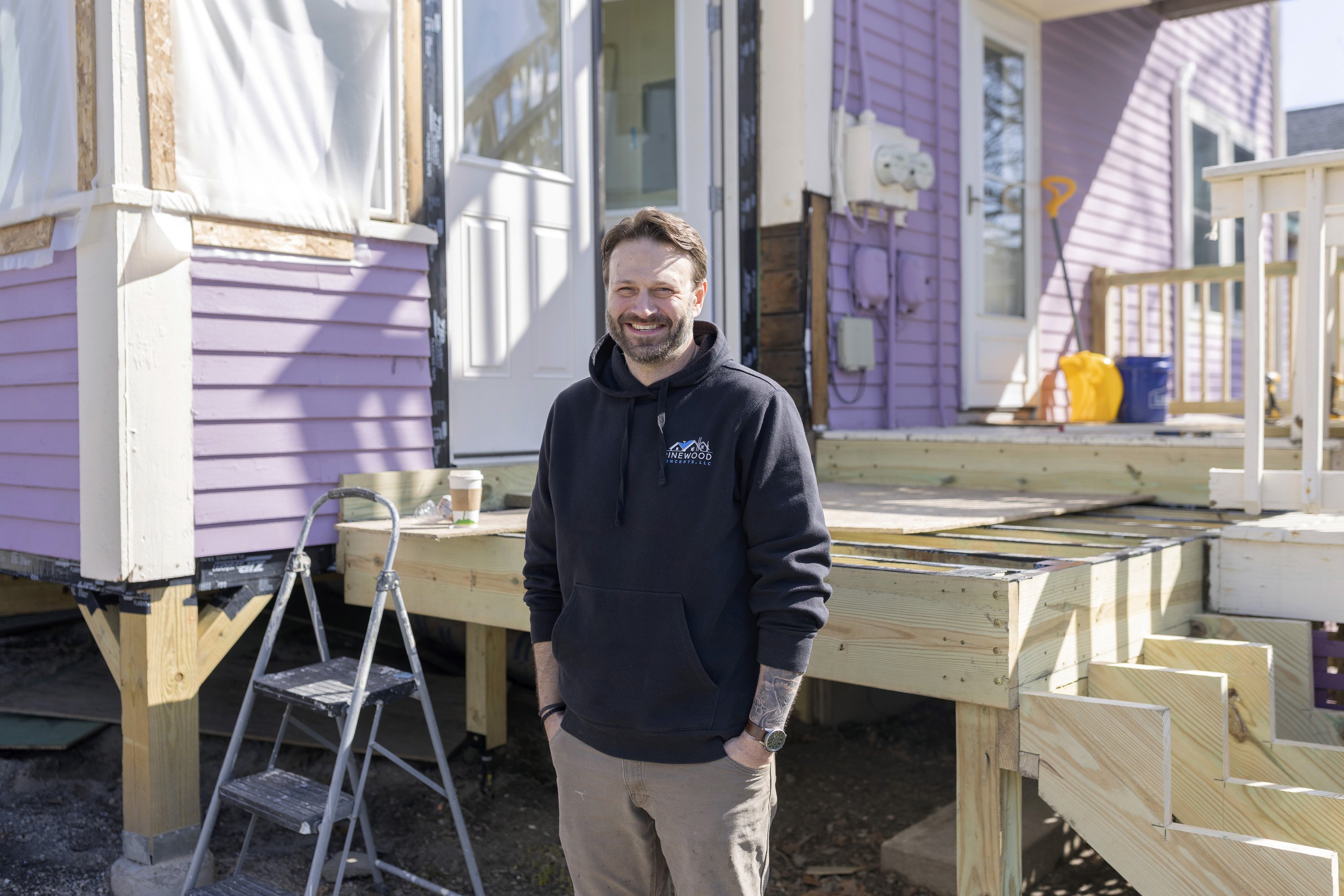
Converting an existing space, like a basement or empty garage, is often the cheapest option, costing about $200 per square foot, according to Chris Hovious, the owner of Pinewood Concepts, a remodeling company based in Gorham.
“Everything’s right there,” he said. “It’s already built. You’re just finishing it.”
New construction typically costs about $400 per square foot, he said.
A 650-square foot one-bedroom prefabricated — or factory built — house can cost between $234,000 and $270,000, assuming typical site work, foundation and utility hookups, according to Backyard ADUs, a company specializing in pre-built ADUs. That number jumps to $304,000 to $340,000 for a 900-square foot two-bedroom build.
Smaller ADUs can cost about the same as larger ones — and even be more expensive per square foot — because there are certain fixed costs for any build.
Hovious tells most first-time builders in Maine to expect $100,000 in site work, give or take 25%. That often includes tree clearing, land work, foundation and getting hooked up to electric, septic and water lines. There are marginal differences for larger or smaller foundations, and all builds need plumbing.
“At a certain point, you lose the economies of scale,” Hovious said.
Kitchens can cost between $40,000 to $100,000, he estimated. Each full bathroom could add an additional $25,000.
And some things are more expensive in smaller spaces. For instance, specialty appliances like apartment-sized laundry machines can be twice as expensive as the full-size alternative, Hovious said.
If a septic system is maxed out prior to adding an ADU, an upgrade or new system could cost between $20,000 and $30,000, he said.
In any build, there will also be soft costs to consider, like permitting and designing. Builders suggest budgeting 15-20% of the total cost for these items.
The timing and magnitude of construction costs, including permitting and utilities fees, vary depending on the town.
2. Figure out a financing plan
Some may have enough money to pay for the entire thing up front, but most property owners will need to pursue some kind of financing to pay for their ADU.
Planning the financing generally comes in two stages, according to Alex Brockway, a residential lending officer at Kennebunk Savings Bank. First, he said, consult with a lender to determine roughly how much to borrow.
During those early conversations, a lending advisor can help figure out what type of loan best fits an individual’s needs and budget. ADUs are often funded through home equity lines of credit, standalone construction loans or by tapping into and refinancing an existing mortgage, but an individual’s current financial situation will inform what makes the most sense.
But keep in mind that financing and lending figures will likely change based on the final design of an ADU, as things like material, labor and other incidental costs start to crystallize.
It can be a good idea to shop around different lenders to see who offers the best rate and terms, Brockway said. There is no one-size approach.
3. Finalize design
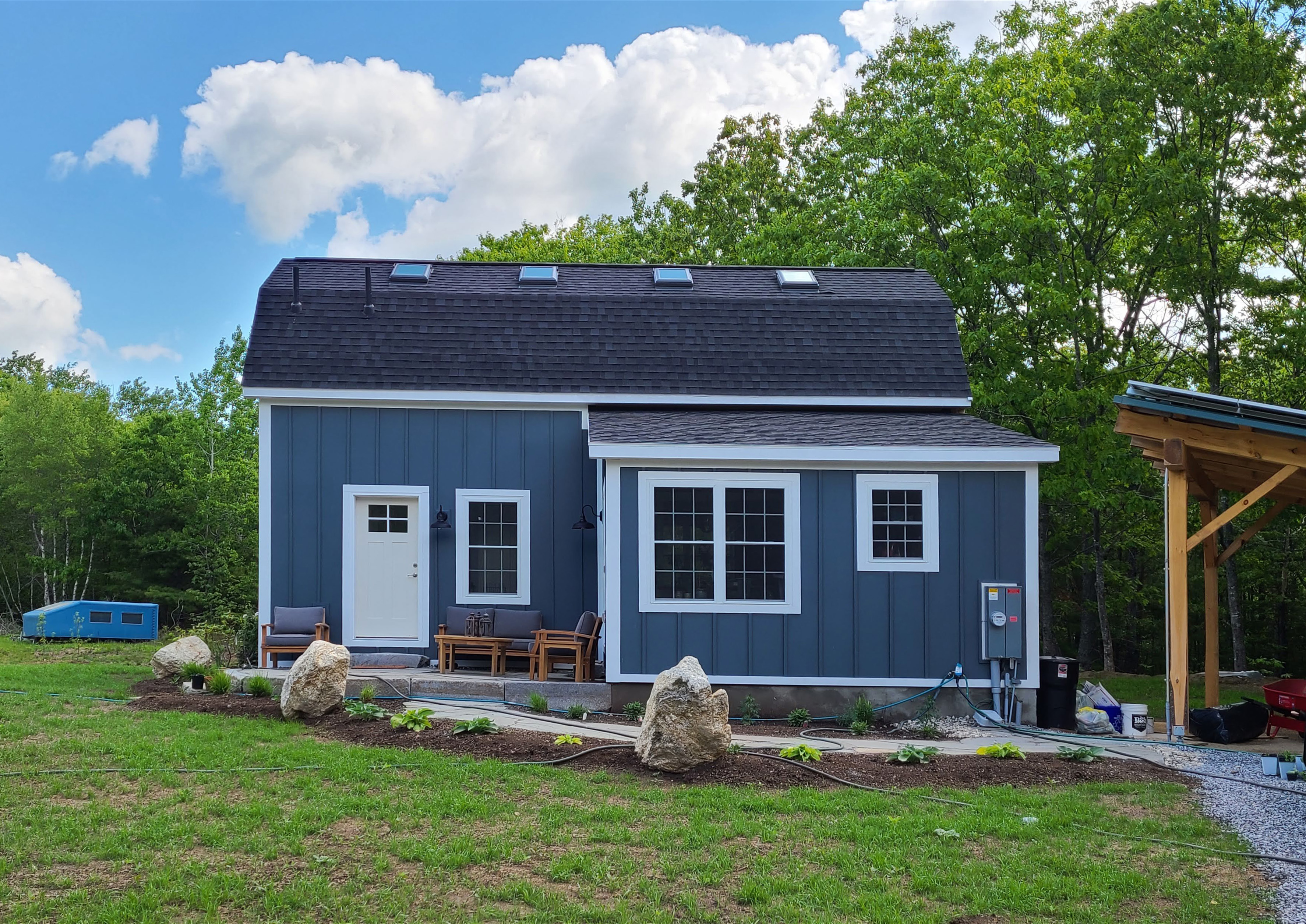
There are two primary types of detached ADUs: building from scratch on site or purchasing a prefabricated build. Towns may vary in requirements including maximum size, height limits and setbacks.
A site-built ADU has more options for customization, and it can be better for tricky lots. It often has a higher long-term value too, according to Darren Lovley, the Chief Executive Officer of the American Building Group — a construction company that specializes in remodeling and ADUs. But this type requires more time on site to build and there’s a greater potential for unexpected costs.
Prefabricated ADUs, which are partially or completely built off site, typically have faster construction timelines and more predictable costs. A pre-fabricated home is typically 10-15% cheaper to design and build, according to Lovley.
But once some fixed costs like site work and utilities are added, prefabricated and custom builds can end up closer in price. And finishing choices can raise the costs for any build.
“It can be from mild to wild,” Hovious said. Toilets, for instance, can run from a few hundred dollars to $5,000.
Similarly, he said, flooring can range from $2 per square foot to $20 or more. Vinyl siding for a small house typically costs $8,000 to $10,000, while cedar shakes can cost $30,000 to $40,000.
But Lovley said there are ways to lower costs, too, including: building in a rectangular shape; choosing a simple roof; keeping plumbing close together; choosing standard window sizes; and opting for 8-foot ceilings.
4. Complete permitting
Before breaking ground on an ADU, builders must submit an application to their city or town for review. Some towns have a checklist of requirements, which typically include a site plan, architectural drawing and building permit applications. Local staff will typically review applications within a month.
If converting an existing building into an ADU, for instance, inspectors may need to walk through the space.
Municipalities also have different permitting costs. Hovious said permitting is more expensive in Portland, for example.
The duration of a building permit varies by town, though typically if building starts within six months from the issuance, construction must be completed within two years. Sometimes extensions are granted at the discretion of local officials.
5. Build
Construction timelines vary depending on the specific project.
Generally, it can take between six months to a year, with time divided between prepping the site, building the frame and finishing the interior.
Prefabricated homes can have quicker timelines because site preparation and construction can happen at the same time, Lovley said.
The total construction process for a prefabricated ADU is about four to eight months, he said.
For a custom build, that number jumps to between eight and 14 months, he said, with four to eight months on site.
Finally, municipalities typically require final inspections before an ADU is move-in ready.

We invite you to add your comments. We encourage a thoughtful exchange of ideas and information on this website. By joining the conversation, you are agreeing to our commenting policy and terms of use. More information is found on our FAQs. You can update your screen name on the member's center.
Comments are managed by our staff during regular business hours Monday through Friday as well as limited hours on Saturday and Sunday. Comments held for moderation outside of those hours may take longer to approve.
Join the Conversation
Please sign into your CentralMaine.com account to participate in conversations below. If you do not have an account, you can subscribe here. Questions? Please see our FAQs.