


OXFORD — As the season kicks off, tens of thousands of riders are expected take their all-terrain vehicles out in Maine in the next few months.
But as ATV clubs work feverishly to wrap up maintenance on the state’s 6,000 miles of trails, there is sharp division over a new generation of popular off-road vehicles that landowners say threatens to force them to shut off access. Some have already done so.
With 80% of Maine’s ATV trail system on private property, that’s a problem.
In 2019, Gov. Janet Mills convened a task force to tackle safety, land use and environmental concerns brought forward by increased ATV use on private lands. The end result was a law limiting ATVs to 65 inches wide and 2,000 pounds, which went into effect in 2021.
Landowners in particular saw it as a compromise. But the bigger vehicles continue to grow in size and popularity, leading some riders to push for changes that landowners say go too far.
For now, the yearslong debate over the size and weight of vehicles appears to be at an impasse.
BIGGER AND WIDER
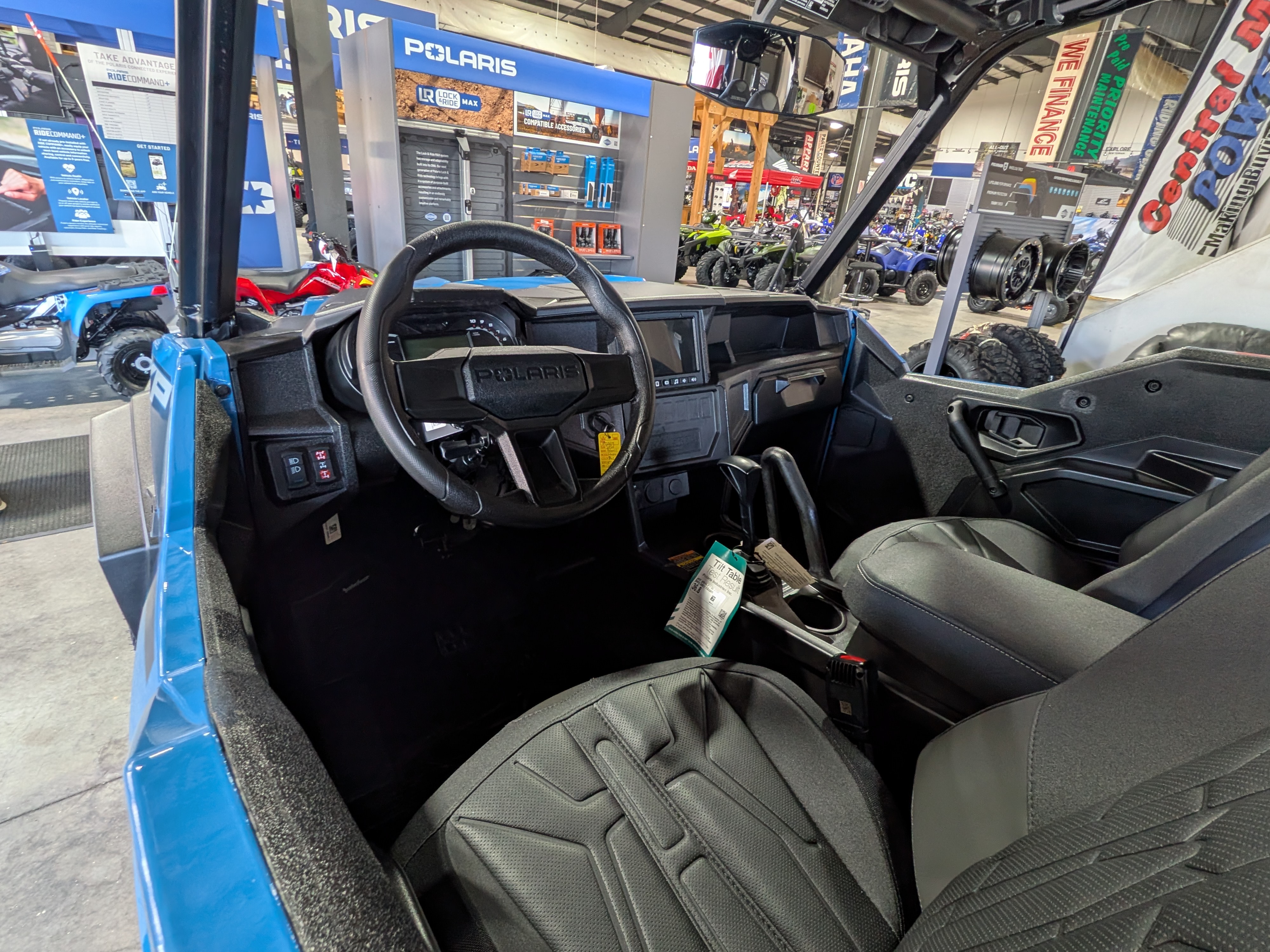
At the center of the debate are utility task vehicles, known as UTVs or side-by-sides. Traditional ATVs carry one or two riders; UTVs can carry up to six people, plus cargo.
Thirty years ago, ATVs were generally 40 to 48 inches wide and weighed 300 to 600 pounds. Today, they are up to 72 inches wide and as much as 3,000 pounds.
Maine residents who previously registered their oversized ATVs before Jan. 1, 2022, are grandfathered in, and may continue to register that ATV.
With miles of trails on old logging roads, Maine has one of the most extensive ATV trail systems on the East Coast.
In recent years, there’s been an explosion in the popularity of riding, especially since the pandemic. It’s not just the bad-boys-on-dirt-bikes syndrome of the 1970s, ’80s and ’90s. Instead, with the bigger, more comfortable vehicles, it’s become a family affair, with riders of all ages.
While the number of ATV registrations in Maine has dipped slightly in recent years after steady growth, state officials say that’s because more people are using the bigger vehicles, which carry more passengers.
“The downward trend in registration numbers since the 2021-22 season is not necessarily a reflection on the popularity or health of the sport in Maine, but just a change in technology and user preferences,” said Matt Foster, supervisor of Maine’s Off-Road Recreational Vehicle ATV Program.
“We’ve got everything from parents taking their kids out — because they can put them in the back seat, strap them down safely in a four-seater with the car seats right in there with helmets on —all the way up to the the folks in their 80s that are just out there to ride slow,” said Doug Dickinson, founder and president of the Maine ATV Coalition.
Manufacturers have been making UTVs bigger, wider and more expensive, justified by what they say is a response to consumer demand. Today’s machines are inherently safer, with upgraded suspensions, braking, seatbelts or harnesses, and rollover protection.
They are also used by farmers, hunters, loggers, utility companies and ranchers because of their ability to run over rough terrain and maneuver through tight trails.
“The manufacturers that are creating machines today are building machines for the whole country,” said Craig Anderson, owner and general manager of Central Maine Powersports in Lewiston, one of the largest ATV and snowmobile dealers in the state. “And Maine is restricting more than what the rest of the country is.”
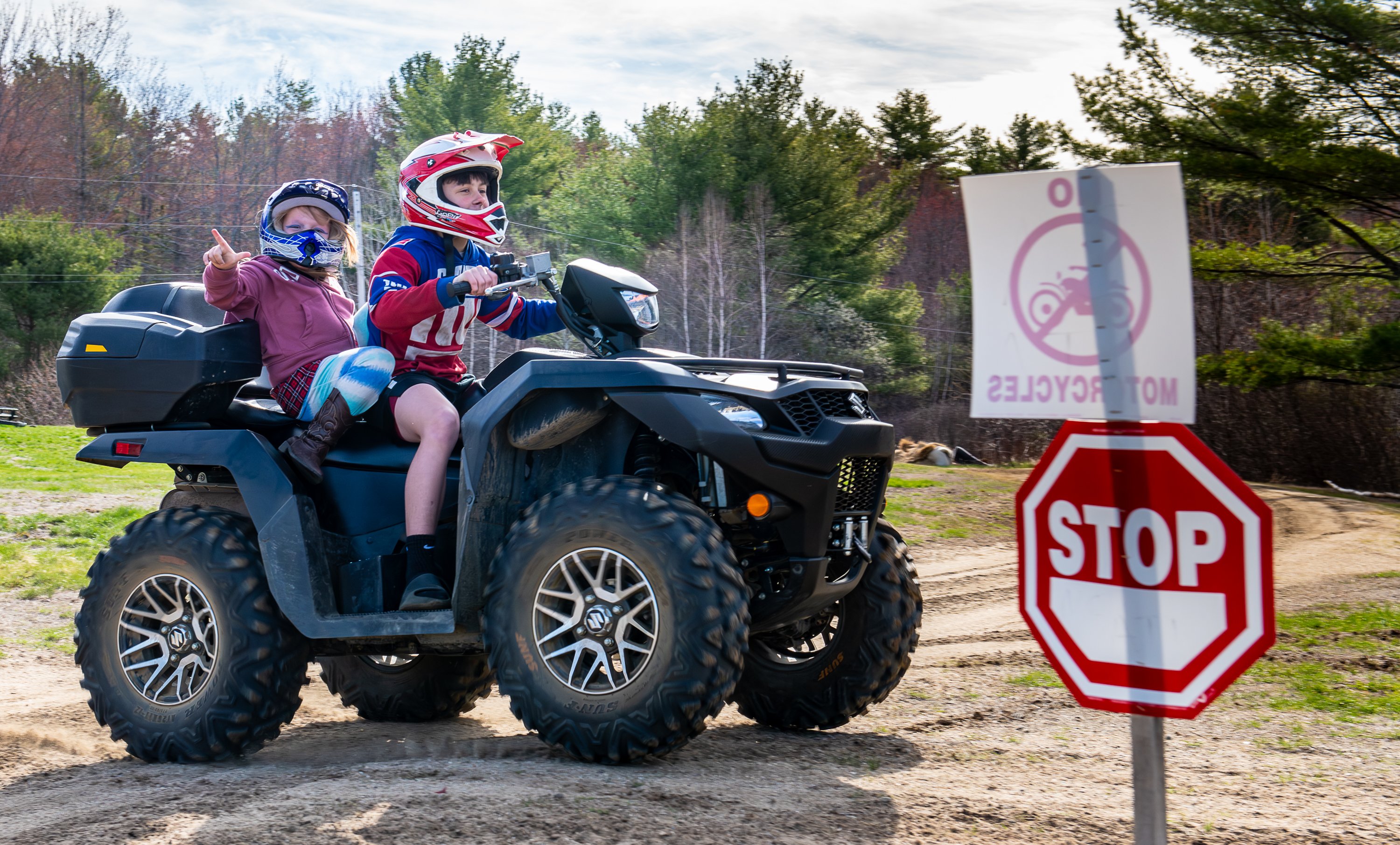
Cpl. Kris MacCabe of the Maine Warden Service acknowledged “People want them because they’re comfortable, they can put their whole family in it,” but noted that the bigger and wider machines are better suited for Western ranches than for Maine trails.
Anderson doesn’t disagree, but believes it is the increased volume of riders that is damaging trails and not necessarily the weight of the machines. “If registrations have tripled in the last 10-15 years on ATVs, then that’s increasing the traffic,” he said.
Anderson says the current rules are not enforceable. The state doesn’t have the capacity to weigh ATVs in the field, so the 2,000-pound limit only restricts consumers from registering certain machines on a state list.
That doesn’t prevent someone from buying a machine that weighs under the limit, then outfitting it with additions like electric windows and air conditioning.
“The reality is that there’s 2,500-pound and 3,000-pound machines out there today everywhere,” Anderson said.
LANDOWNER OPPOSITION
Landowners in Maine have traditionally allowed outdoor enthusiasts of all kinds to use their land.
Maine’s implied permission law gives hunters, anglers and recreators access to the private land unless it is posted or marked, while the state’s Recreational Use Statute protects landowners from liability if someone is injured while using their land, with some exceptions.
Land ownership is changing, however, and there are now more landowners, making it harder to balance recreation against the rights of property owners, who do not get compensated for public recreation on private property.
Maine’s ATV trail system was originally built to accommodate vehicles no more than 50 inches wide, but the capacity has been increased to 60 inches based on growing sales of larger machines, below the 65-inch limit established in the law.
Some landowners use different allowable width standards for their property and maintain the right to do so today.
The Maine Woodland Owners represents some 86,000 mostly small landowners. It’s among the groups that testified this year against legislation that sought to further increase the size of allowable ATVs and a bill to reconvene the 2019 task force, which the group sees as a breach of a settled agreement.
In her testimony, Executive Director Amanda Egan said the 2021 limits were final, calling it a “hard-fought compromise, a major concession to accommodate modern machines, on the condition it remained a firm, enforceable ceiling.”
Revisiting the limit, Egan said, is a sign the partnership is no longer working.
“We shouldn’t be surprised when landowners decide that withdrawing from the system is the only way to protect their property,” she said.
The organization itself is a landowner and hosts state-supported ATV trails. Its board discussed the issue and came to a consensus.
“They were so firm on the issues that they voted to close our trails if the weights increase,” she said.
Owners of Irving Woodlands, which hosts 300 miles of ATV trails, also oppose reconvening the 2019 ATV task force. A company representative told a legislative committee they are concerned with larger vehicles and want better enforcement.
“We are frustrated that despite participating in multiple studies, task forces, and working toward good policy on ATV recreational use on private lands, we are being ignored,” the representative said.
Landowners’ concerns include liability, noise, environmental damage, off-trail and reckless riding, and litter.
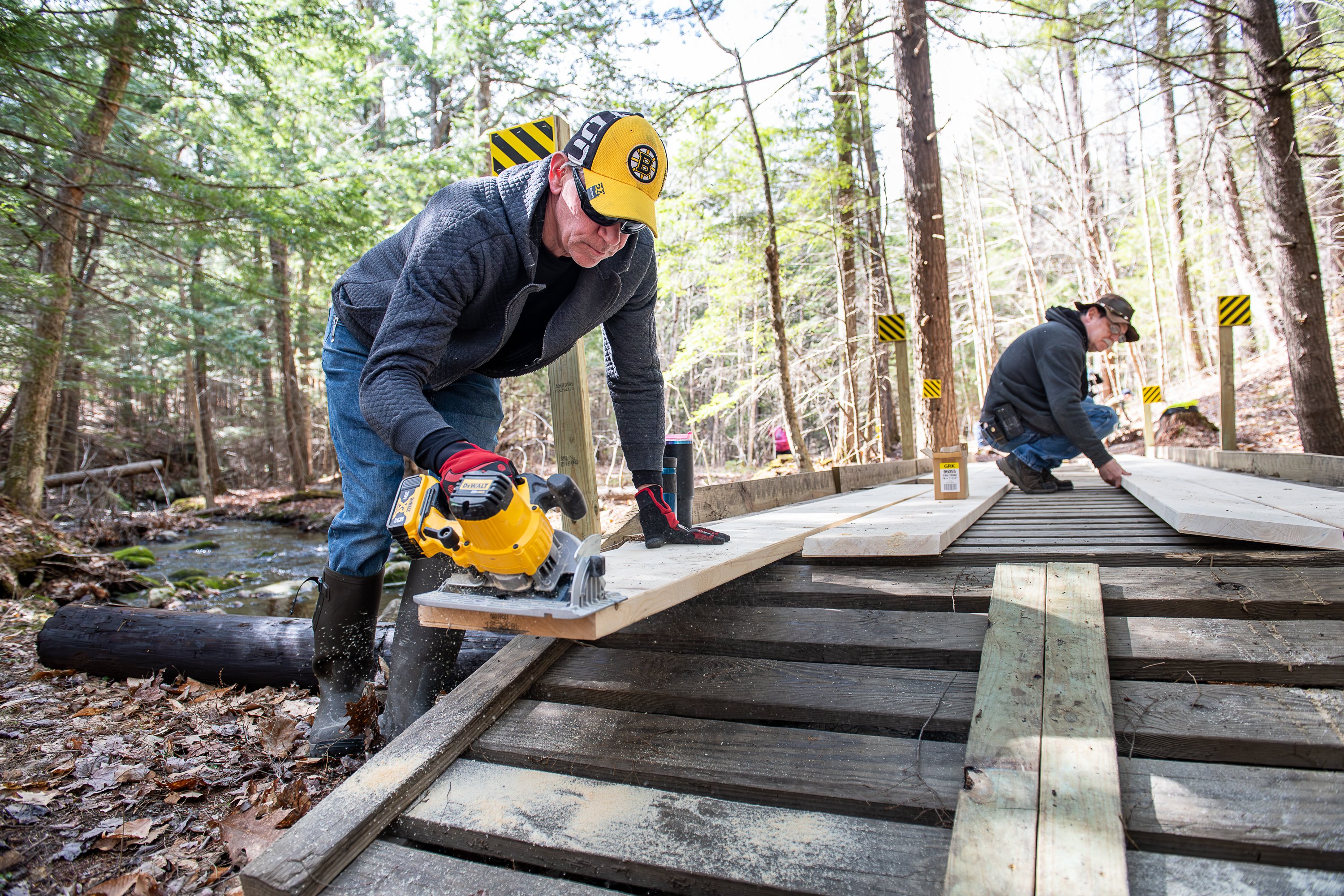
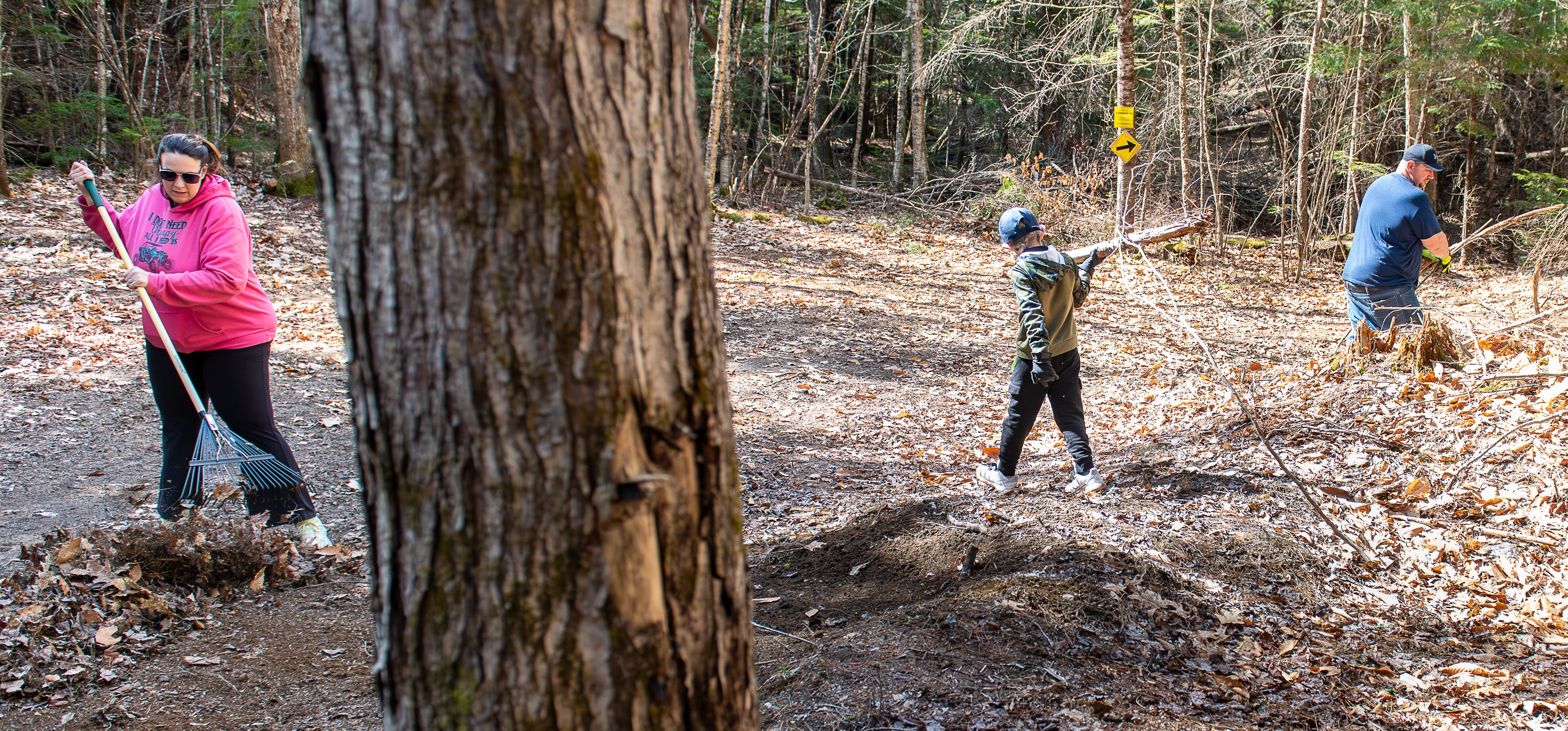
They are also worried about trails and bridges, which were built for smaller, lighter machines. Engineers are not constructing bridges, volunteers are, Egan said, and while many are skilled, there is a concern about uniform standards.
“During one of the hearings, a trail master said, ‘I don’t even know how to build a bridge for these machines,’ and if we are expecting volunteers to be maintaining these trails and building them, that’s putting a lot on them,” Egan said.
The Irving representative put it bluntly: Allowing bigger machines “will lead to the demise of what was a great outdoor recreational activity in the state.”
GOING FORWARD
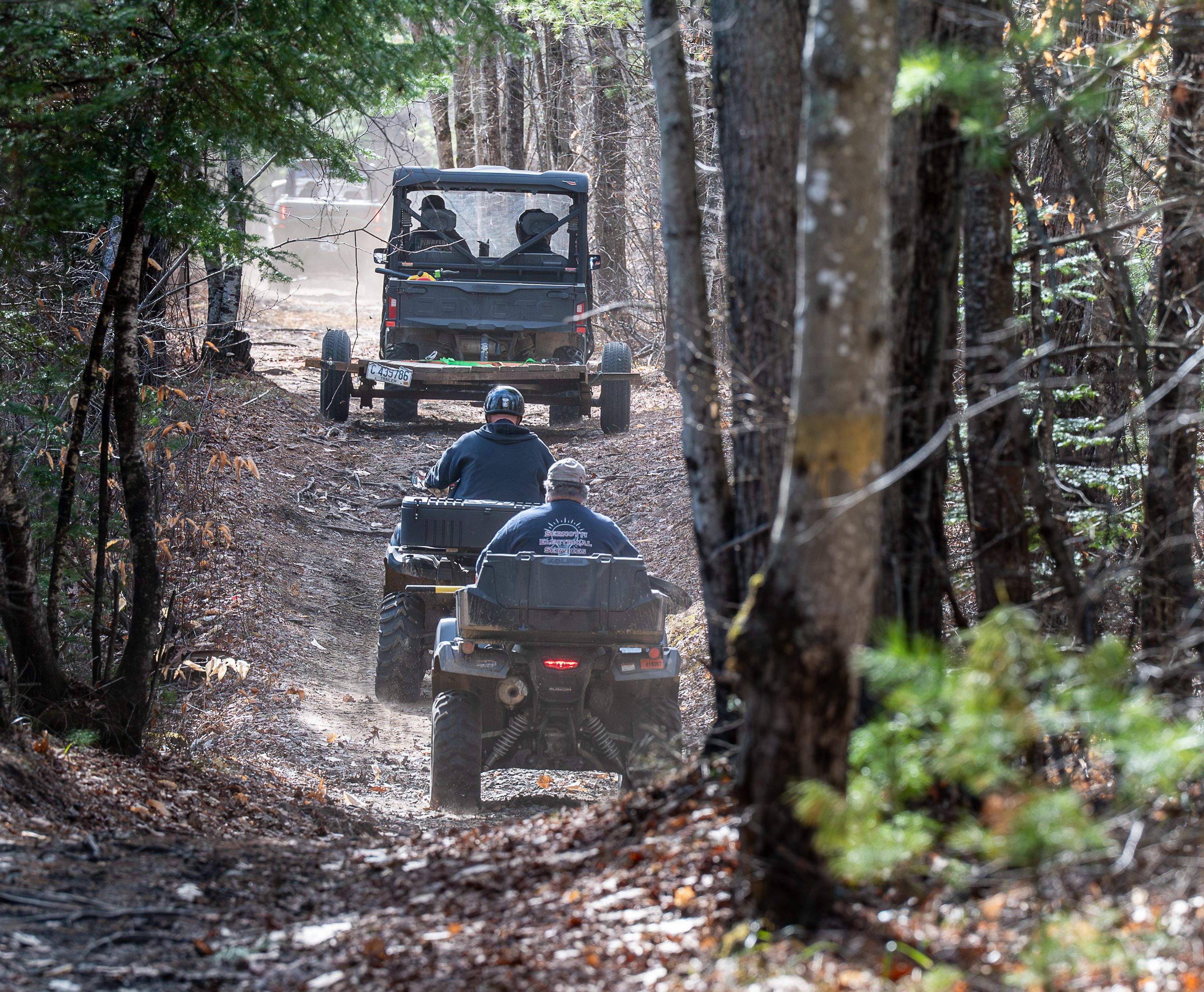
Like snowmobiling, ATV riding represents a significant economic boost to the state, bringing in riders who spend money on food, fuel, lodging and accessories.
That has led to proposals that might work well in one area of Maine but not another, said Dickinson, the Maine ATV Coalition president.
“So, they’re pushing rules and laws to help their own little area,” he said. “But it impacts the entire state — a state that is not necessarily ready for this across the board.”
Legislators this past session made several small changes to ATV rules, but did not alter the weight limit, killing a bill that would have increased it to 2,950 pounds.
For this season at least, the status quo remains in place. Most people connected to the recreational use of these off-road vehicles are taking a wait-and-see approach to the season at hand.
As they seek solutions that work for landowners and riders, Dickinson feels strongly that all sides have a seat at the table, starting with residents who have overweight machines and have had their registrations revoked.
“We have to bring them into the conversation,” he said. “We have to bring dealers, we have to bring manufacturers into this conversation, so we can figure out the path forward.”

We invite you to add your comments. We encourage a thoughtful exchange of ideas and information on this website. By joining the conversation, you are agreeing to our commenting policy and terms of use. More information is found on our FAQs. You can update your screen name on the member's center.
Comments are managed by our staff during regular business hours Monday through Friday as well as limited hours on Saturday and Sunday. Comments held for moderation outside of those hours may take longer to approve.
Join the Conversation
Please sign into your CentralMaine.com account to participate in conversations below. If you do not have an account, you can subscribe here. Questions? Please see our FAQs.