

The Monhegan Museum of Art and History is getting a million dollars worth of publicity this week.
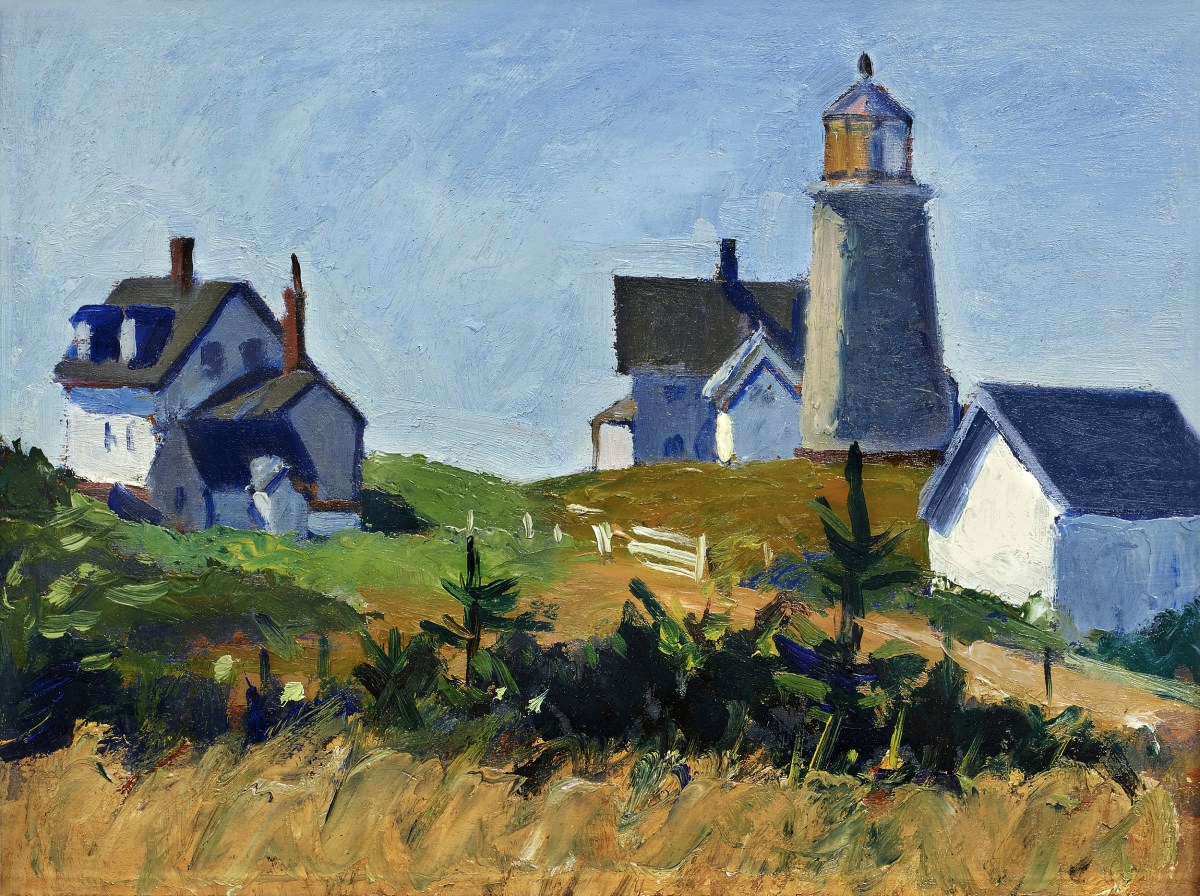
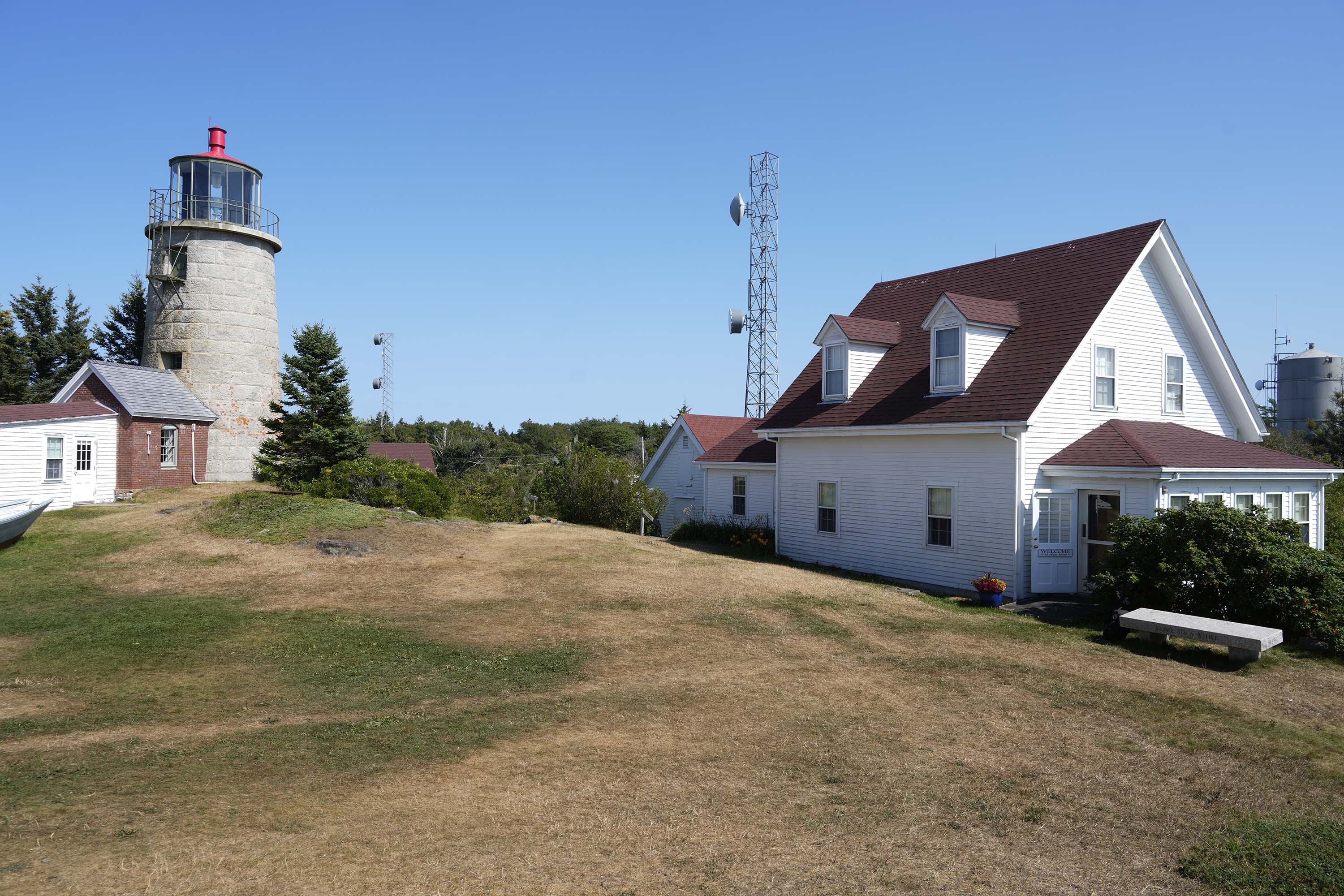
The painting “Monhegan Lighthouse” by Edward Hopper is being auctioned by New York-based Sotheby’s on Wednesday, with bids starting at $1 million. The Monhegan Museum’s permanent exhibits are housed in the former lighthouse keeper’s house depicted in the painting. The Hopper work also inspired museum officials to build a replica of the assistant keeper’s house — shown in the painting but torn down in the 1920s — to house exhibitions.
“You’ve got this artist’s depiction, then later his art is inspiring the landscape,” said Jenn Pye, director of the museum. “The only thing that would make it better is if we could one day show that painting in the building it inspired.”
Of course, that depends on who buys the oil painting on Wednesday and what they plan to do with it.
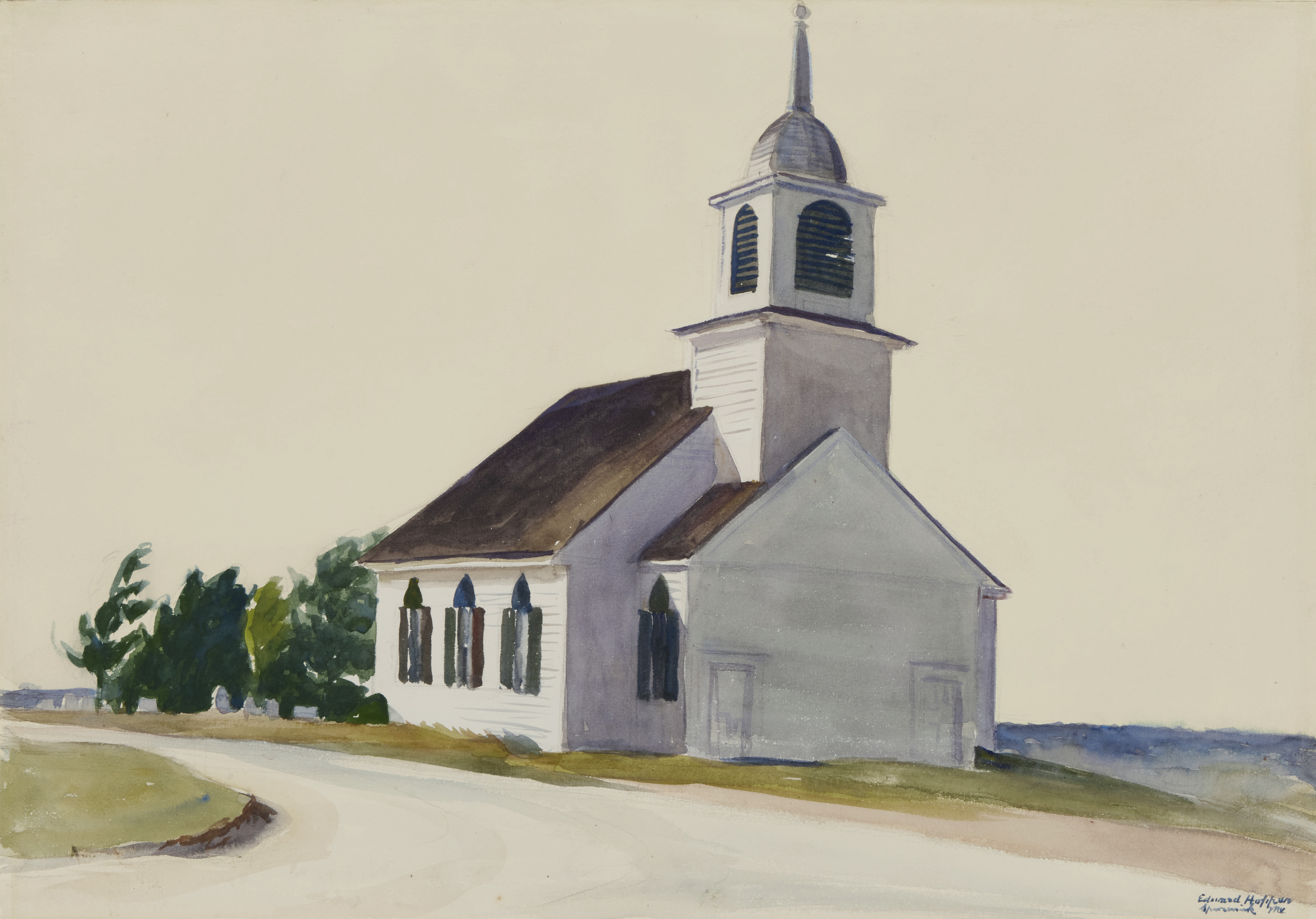
Though Hopper didn’t have a permanent summer home in Maine, like so many notable 20th century artists, he came to the state often and painted what he saw. In May 2025, Sotheby’s sold another of Hopper’s paintings, his 1927 watercolor “Spurwink Church,” for just over $1 million to an unidentified buyer from Europe. It shows a modest church building on Route 77 in Cape Elizabeth, which still stands.
Hopper’s 1929 painting “The Lighthouse at Two Lights,” another Cape Elizabeth structure, is in the collection of the Metropolitan Museum of Art in New York.
“Monhegan Lighthouse” was painted between 1916 and 1919 on the island and is relatively small, just over 9 by 12 inches. After Hopper’s death in 1967 at the age of 84, the painting was acquired by a New York gallery, changed hands a couple times, and in 1974 was bought by a collector. The collector’s family is now selling the painting as it settles the estate, according to Sotheby’s.
Over the years, “Monhegan Lighthouse” has been exhibited at The Whitney Museum of American Art in New York, the Art Institute of Chicago, the San Francisco Museum of Modern Art, the Farnsworth Art Museum in Rockland and several other museums and galleries.
Its value is estimated at between $1.2 and $1.8 million, said Stefany Sekara Morris, senior vice president and head of American art at Sotheby’s. That estimate is based on what other high-profile paintings by Hopper sold for recently, and the fact that Hopper’s coastal and lighthouse paintings are extremely popular and don’t often come up for sale, Morris said.
“Most of these are in institutions and museum collections,” said Morris.
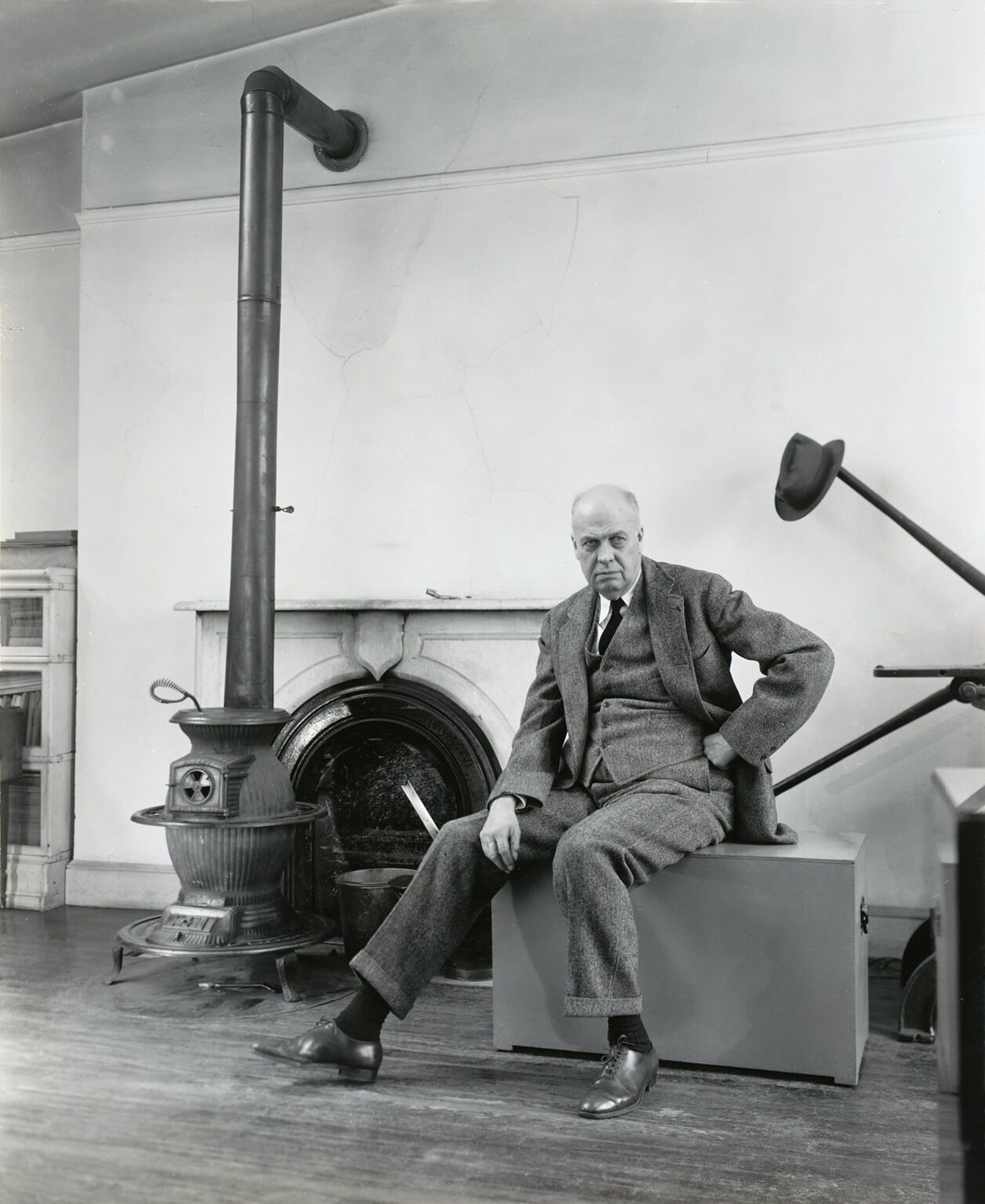
Hopper was born in the New York City suburb of Nyack. His best-known painting might be “Nighthawks” (1942), a lonely scene of people sitting at a dimly lit diner counter at night.
He first came to Monhegan to paint at the urging of his teacher, Robert Henri, who discovered the island around the turn of the 20th century and encouraged artists like Rockwell Kent and George Bellows to paint there. More artists followed and the island, some 12 miles south of Port Clyde, became known as an important artistic center. Hopper would have visited Monhegan between 1916 and 1919, during the height of its popularity with noted artists, Pye said.
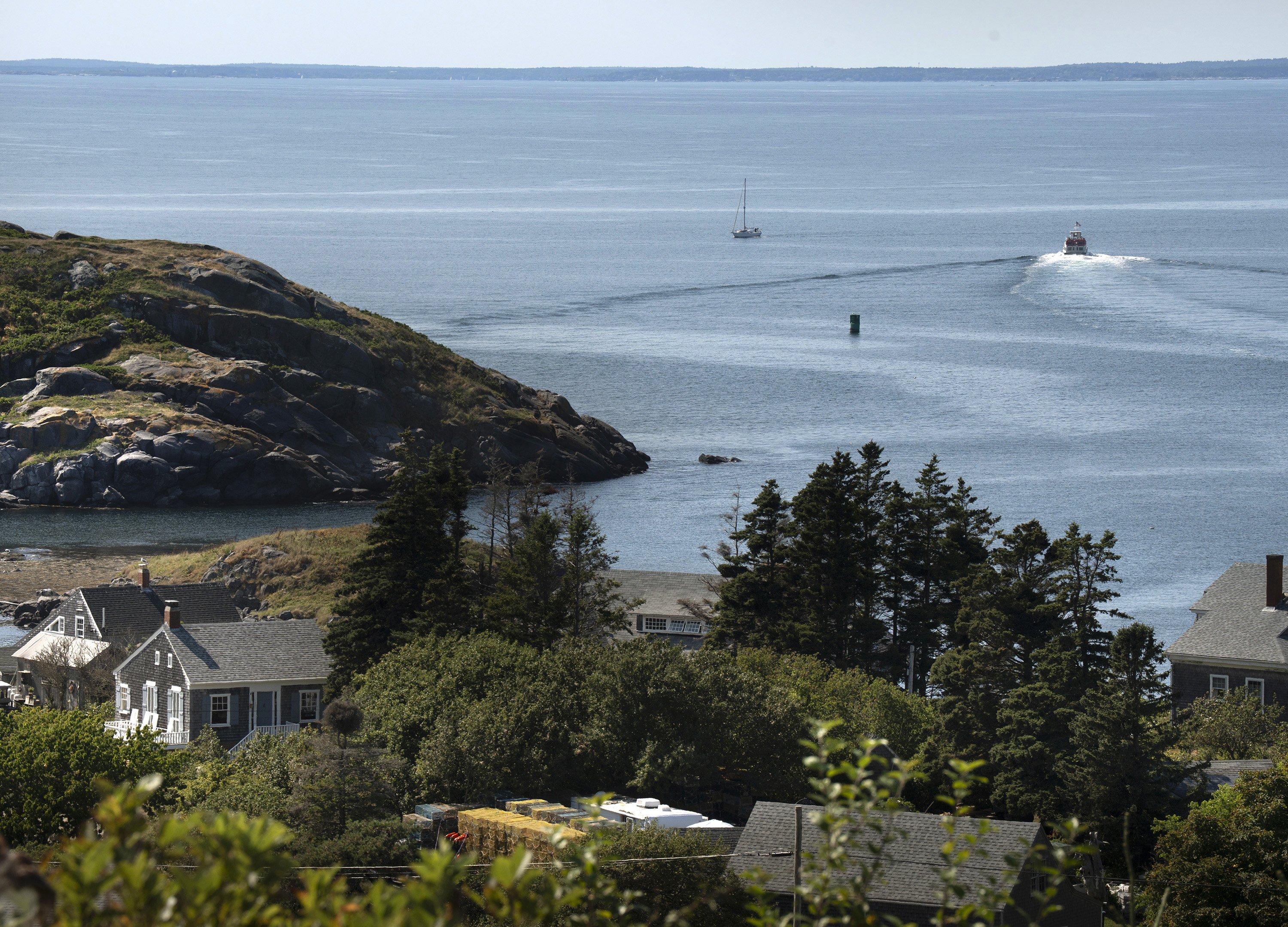
The lighthouse on Monhegan was automated in the 1950s and the buildings around it were no longer needed by the Coast Guard. A committee of people hoping to use the buildings for a museum was formed, the buildings were purchased, and the museum opened in 1968. The Assistant Keeper’s House began hosting seasonlong exhibits in 1998.
The island has continued to attract artists and art lovers. The museum’s upcoming exhibition, “To Monhegan, With Love: The Susan Bateson and Stephen S. Fuller Collection,” includes 89 paintings either created on or inspired by Monhegan. Opening July 1, it will include works by Bellows, Henri, Kent, James Fitzgerald, Edward Redfield and others. The paintings were collected by Bateson and Fuller and have been given or promised to the museum, the largest gift it’s ever received, Pye said.
While on Monhegan, Hopper created more than 30 small oil works that focus on the crashing surf and rocky bluffs. His paintings on Monhegan, including “Monhegan Lighthhouse,” are unlike much of his later work because of their size and immediacy, said Carl Little, of Somesville, on Mount Desert Island, an arts writer and author of the 1993 book “Edward Hopper’s New England.” The works are more like oil sketches, Little said.
“He captures the fury of the waves and the primeval quality of the coastline,” Little said. “It’s almost like the island took him over.”

We invite you to add your comments. We encourage a thoughtful exchange of ideas and information on this website. By joining the conversation, you are agreeing to our commenting policy and terms of use. More information is found on our FAQs. You can update your screen name on the member's center.
Comments are managed by our staff during regular business hours Monday through Friday as well as limited hours on Saturday and Sunday. Comments held for moderation outside of those hours may take longer to approve.
Join the Conversation
Please sign into your CentralMaine.com account to participate in conversations below. If you do not have an account, you can subscribe here. Questions? Please see our FAQs.