

For western Maine’s game wardens and fire departments, search and rescue is a regular part of the job.
“I guess we’re trained in high-stress environments,” said Maddie Killian, a district game warden for the Maine Department of Inland Fisheries and Wildlife. “You just kind of focus on the task at hand; what you need to bring for yourself and that other person.”
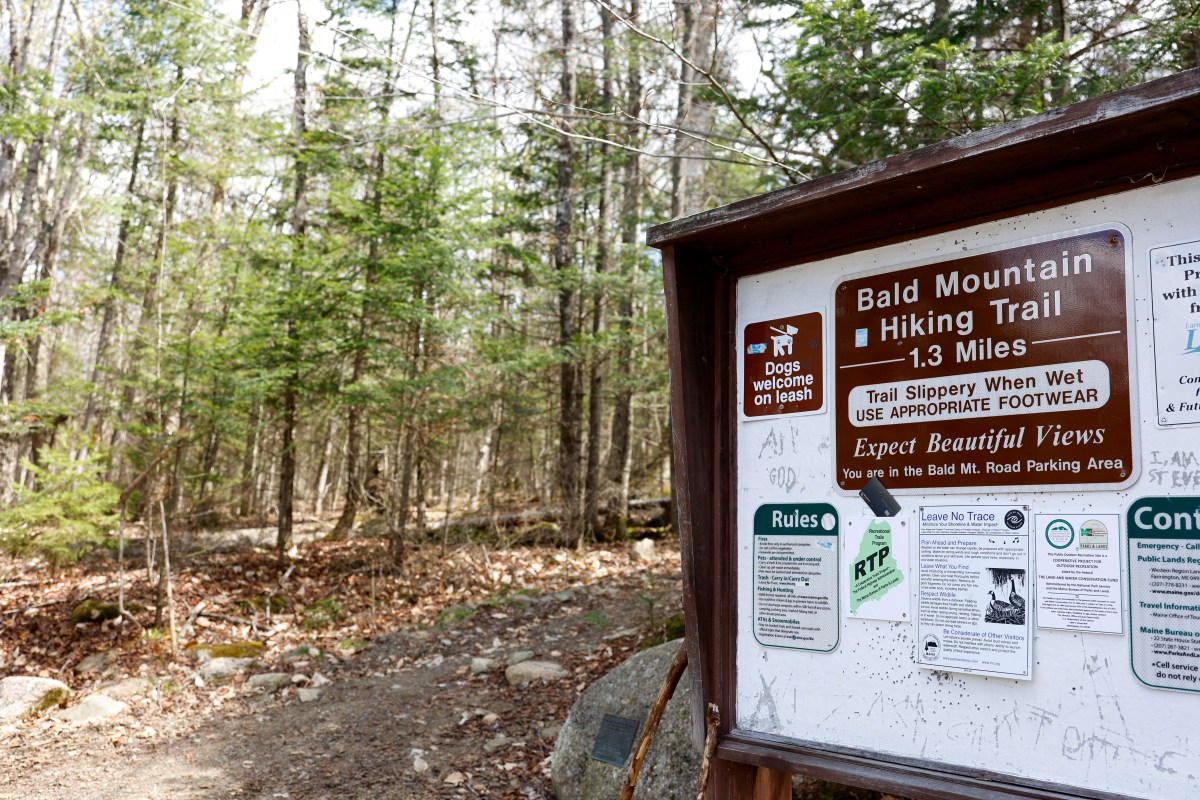
As Memorial Day rolls around each year, there’s an uptick in rescue calls in towns near popular hiking spots, such as Rangeley and Stratton. The summer months are the busiest times for trails in western Maine. Hikers flock to the region to tackle the Appalachian Trail, the Bald Mountain Trail in Oquossoc and the Tumbledown Mountain hike in Weld — all of which see frequent calls for help.
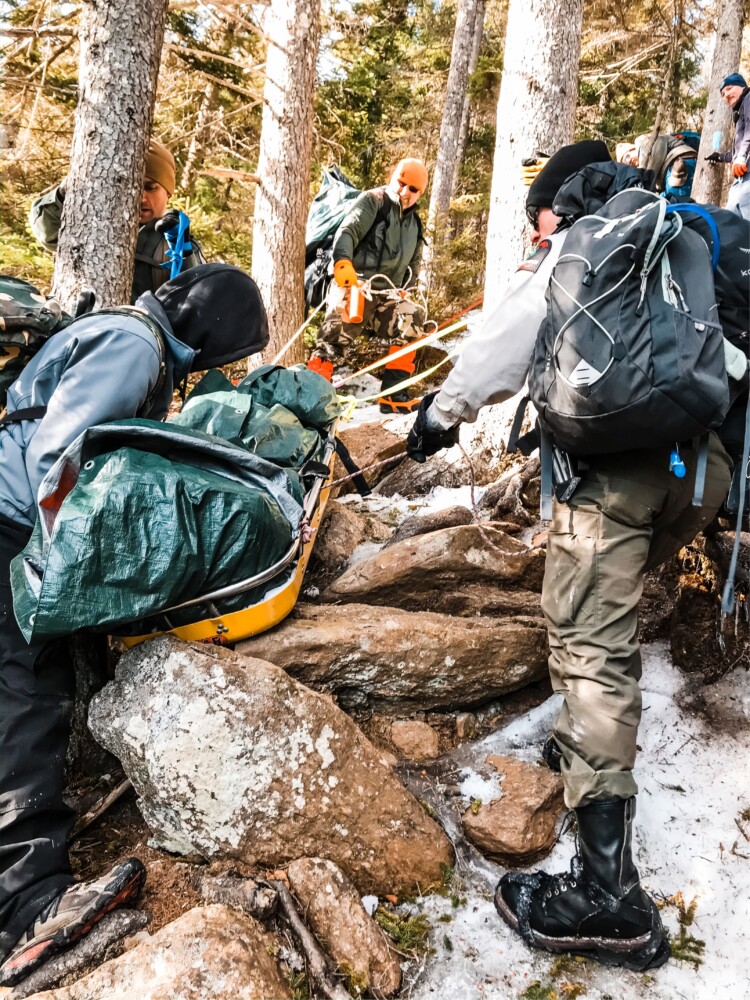
These rescue calls made from remote trails aren’t like your ordinary emergency calls. Killian explained that ever since the COVID-19 pandemic, trail usage has increased, but awareness about response time has been slow to catch up.
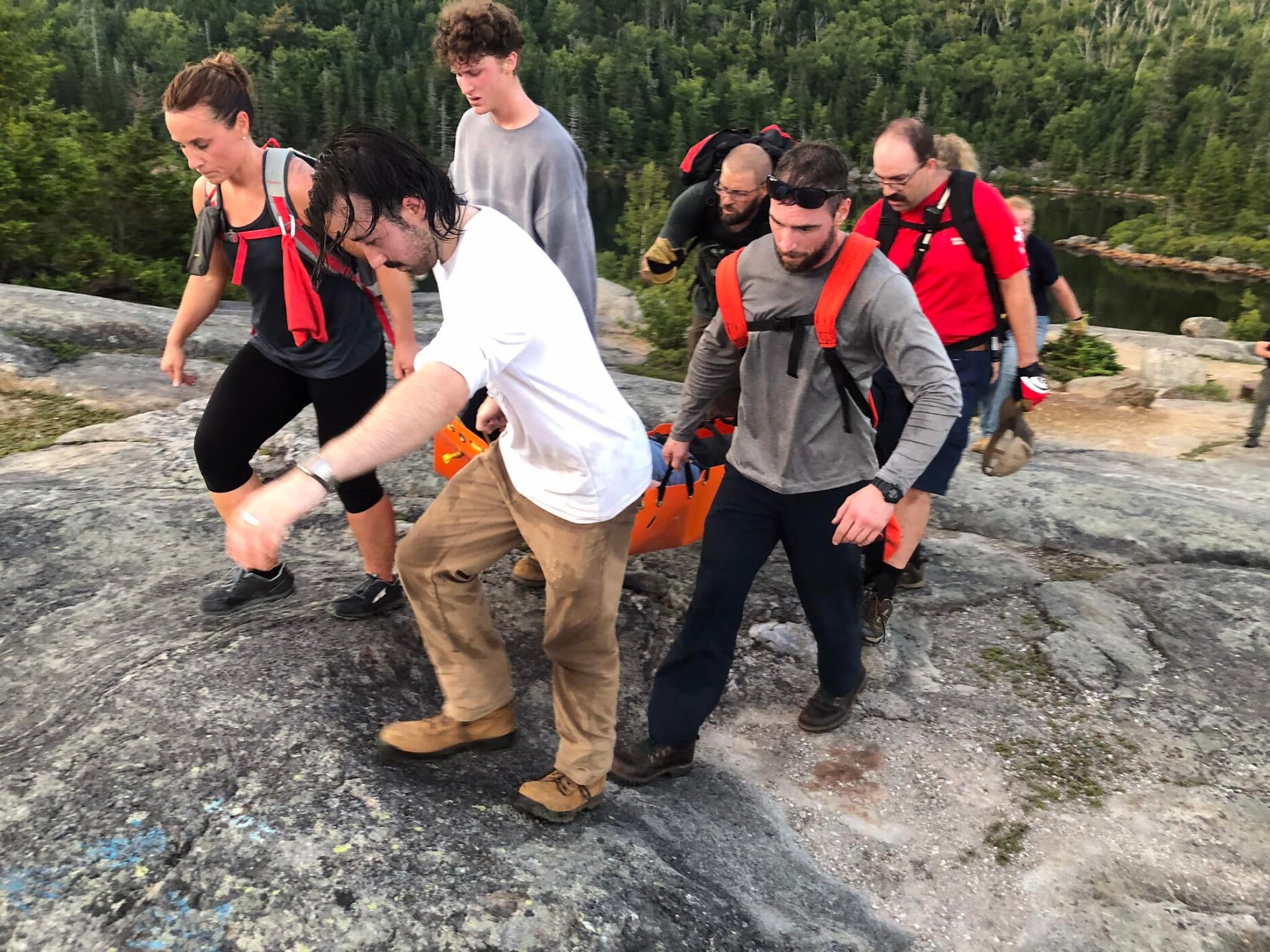
“A lot of people also think that when you call 911, we’ll be there in five minutes. And that’s not always the case,” she said. “It usually takes anywhere from five to 10 hours to get someone down — if it’s really bad.”
Responding to calls takes preparation and experience, but Rangeley Fire Rescue Chief Mike Bacon said the stress factor he and other responders feel really depends on the call.
“It’s more of, its day-to-day business,” he said. “If it’s the Appalachian Trail in a more remote area, it becomes more stressful.”
One thing hikers should remember is that rescuers also have to hike to wherever the stranded person is located. If conditions are rough, it will be the same route, but with added equipment.
If a hiker does call for rescue, Killian said they should stay put. Staying in one place can help pinpoint coordinates. Just as important: staying on the trail.
Some of the most common rescues come from broken ankles or falls where someone hits their head, often on slick rock faces.
“We’ve had people that have gone on the trail, didn’t realize it would take so long, or it was more difficult, and then nighttime came in,” Bacon said.
Besides the time of day, many hikers underestimate the temperature difference between the trailhead and the peak of a mountain. For every 1,000 feet of elevation gained in western Maine, the temperature can drop around four degrees. Bacon said it can be as much as 10 degrees depending on the time of year and the side of the mountain you’re on. Coupled with heavy clothing that doesn’t wick away sweat, even a warm day at the base of a mountain can quickly turn to a dangerous hike.
“A lot of people don’t realize you can get hypothermia in the summer,” Killian said.
To optimize your wardrobe for a hike, avoid cotton because it holds moisture, Killian said. Instead, find a moisture-wicking material as your base layer to allow sweat to evaporate off your body.
Know your hike ahead of time and preplan your footwear. Trail-runner gym shoes work for mild hikes, but you don’t want to be caught on a rugged mountain trail without ankle support.
Last month, two hikers in the Bigelow Preserve were lifted by helicopter off Bigelow Mountain by the Maine National Guard. One had fallen and gotten wet earlier in the day, and by nightfall, temperatures had dropped to around 12 degrees. The hikers called for rescue at 9 p.m. It took until 1:45 a.m. for help to arrive.

We invite you to add your comments. We encourage a thoughtful exchange of ideas and information on this website. By joining the conversation, you are agreeing to our commenting policy and terms of use. More information is found on our FAQs. You can update your screen name on the member's center.
Comments are managed by our staff during regular business hours Monday through Friday as well as limited hours on Saturday and Sunday. Comments held for moderation outside of those hours may take longer to approve.
Join the Conversation
Please sign into your CentralMaine.com account to participate in conversations below. If you do not have an account, you can subscribe here. Questions? Please see our FAQs.