
Yes.

Maine has the country’s worst child abuse rate, according to the most recently available data.
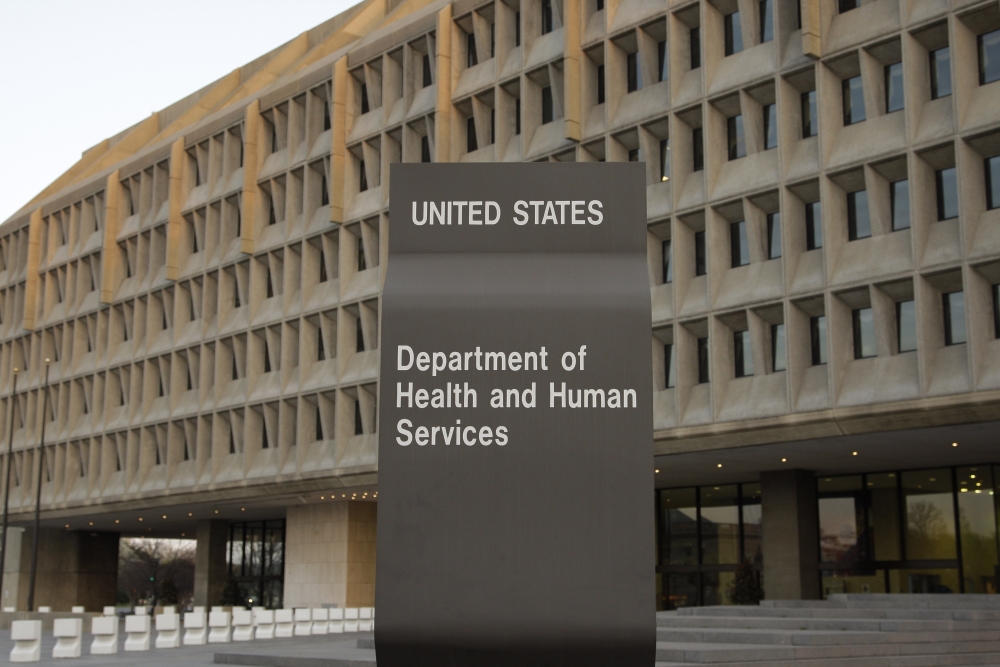
The U.S. Department of Health and Human Services reported a 2024 child maltreatment rate in Maine of 15.4 cases per 1,000 children, the highest among the 50 states, the District of Columbia and Puerto Rico.
Massachusetts and Mississippi were tied for second-highest at 14.9 maltreatment cases per 1,000 children, followed by West Virginia at 14.7 and Kentucky at 14.1.
Each state sets its own definition of child maltreatment, and Maine leaders have said the state uses a broader definition than other states, which causes Maine to have higher rates.
The national average was 7.2 cases per 1,000 children, down slightly from 7.4 the previous year.
Maine’s 2024 Child Welfare Annual Report cited substance use, mental health challenges, domestic violence, housing instability and other family stressors as recurring pressures affecting both child safety and the state system.
This fact brief is responsive to conversations such as this one.
The Maine Trust for Local News partners with Gigafact to produce fact briefs — bite-sized fact checks of trending claims. Read our methodology to learn how we check claims.
Sources
- Maine Trust for Local News compilation of U.S. Department of Health and Human Services data: State-by-state child abuse rates as of 2024
- U.S. Department of Health & Human Services, Administration for Children and Families, Administration on Children, Youth and Families, Children’s Bureau: Child Maltreatment 2024 (Pg. xii)
- Maine Department of Health and Human Services: Child Welfare Annual Report, Calendar Year 2024
Comments are not available on this story. Read more about why we allow commenting on some stories and not on others.
We believe it's important to offer commenting on certain stories as a benefit to our readers. At its best, our comments sections can be a productive platform for readers to engage with our journalism, offer thoughts on coverage and issues, and drive conversation in a respectful, solutions-based way. It's a form of open discourse that can be useful to our community, public officials, journalists and others.
We do not enable comments on everything — exceptions include most crime stories, and coverage involving personal tragedy or sensitive issues that invite personal attacks instead of thoughtful discussion.
You can read more here about our commenting policy and terms of use. More information is also found on our FAQs.
Show less