
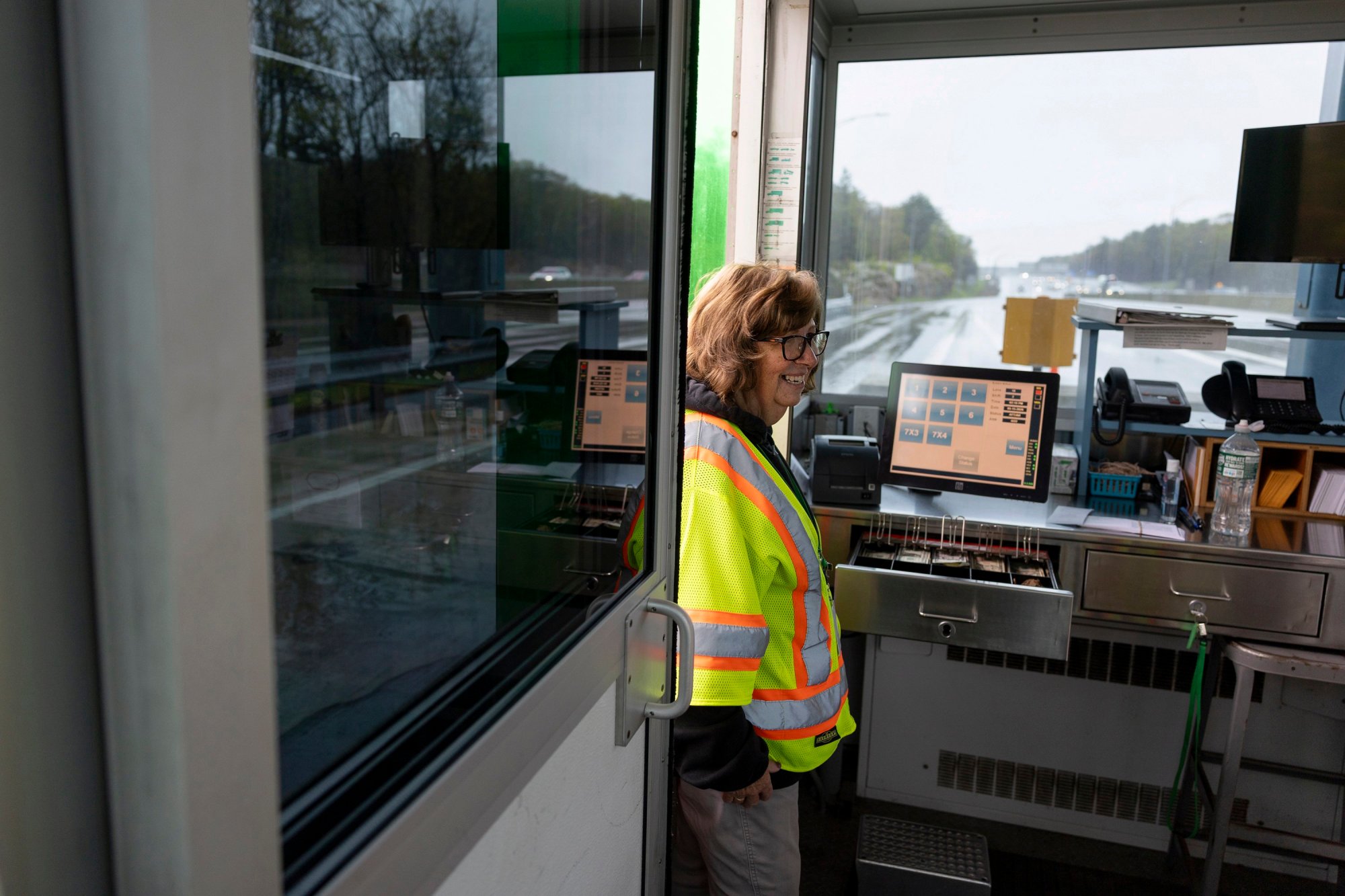

YORK — A truck with New York plates pulled up to Dianne Knowles’ tollbooth in the northbound lane of Interstate 95. On the hitch was a large RV. As the driver handed over $6, the woman in the passenger seat yelled over the roar of traffic to ask for directions to Southport.
Who makes Maine Vacationland?
We go behind the scenes with the workers who keep the state’s tourism sector running. Send ideas to reporter Megan Gray at [email protected].
“Southport?” Knowles said. “You’re going to go the coastal route.”
Knowles pointed them toward Boothbay. She grew up in that area, she told them. They waved and drove on.
It was a gray Friday in May, but the forecast promised sun.
The license plates in Knowles’ lane signaled the start of the busiest tourist season: Massachusetts, Vermont, New York, New Jersey, New Hampshire, Nova Scotia.
York is the first toll after these drivers cross the state line, which means Knowles was the first Mainer to greet them.
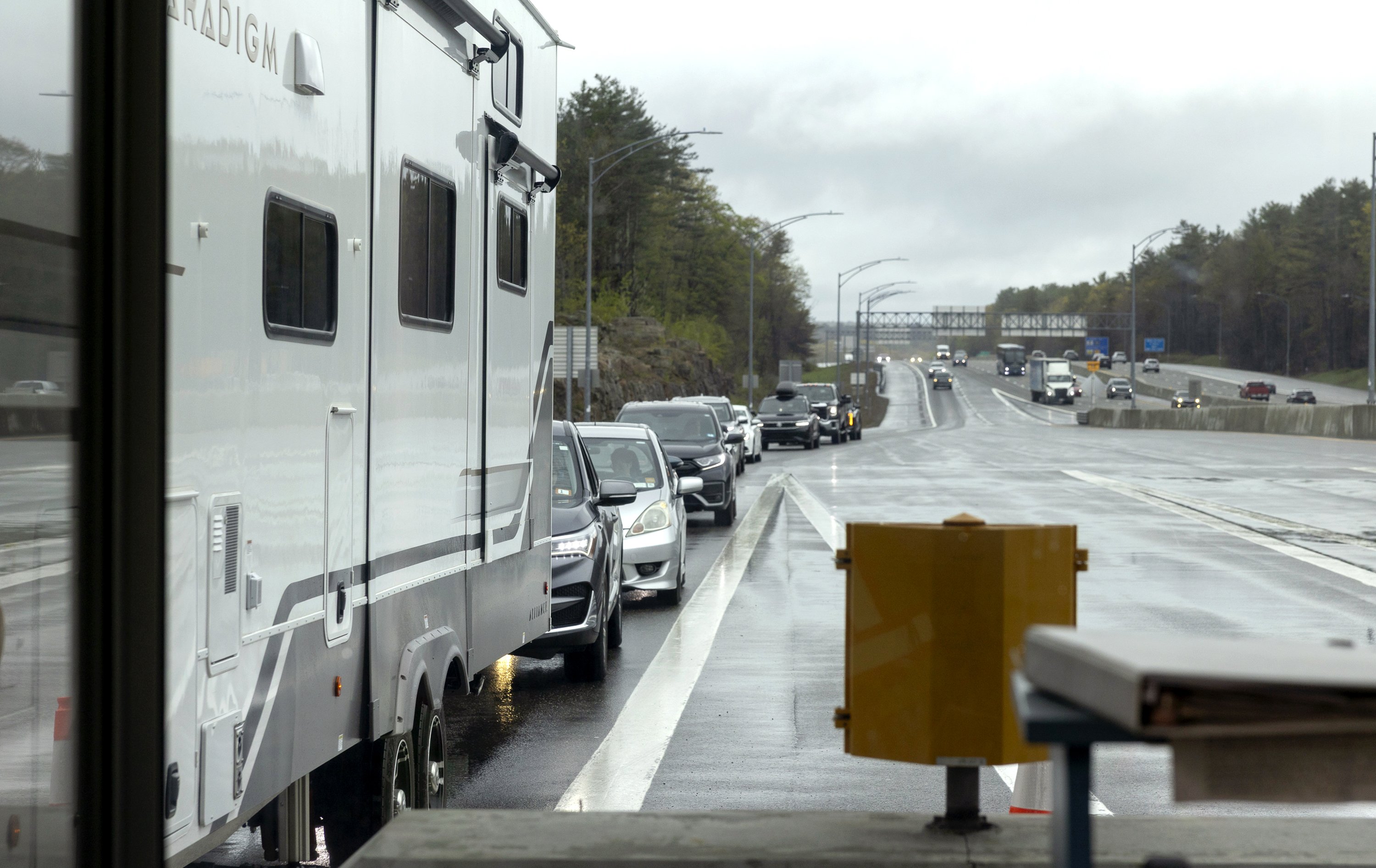
Just 11% of drivers on the 109-mile stretch between Kittery and Augusta pay cash, but the Maine Turnpike Authority still employs 160-odd collectors who work all hours. That number is a big drop from when Rick Barra, the director of fare collection, started as a teenage temp in 1975. Still, he said the agency has no plans to go fully electronic as some other states have.
“It’s still very important to have people there as the face of the Turnpike,” Barra said.
In the E-ZPass lane, cars rushed by at 70-plus miles per hour. In the cash lane, drivers stopped to see Knowles, who worked in banquet halls and event planning before the COVID-19 pandemic. She wanted a change — and needed a job.
“It’s a little easier than dealing with some brides,” she quipped.
In her neon safety vest, she wished each person a good weekend.
“I know you don’t have to say it to everybody,” Knowles, 76, said. “But you don’t know what people are going through, and it helps to be nice.”
In an 8-hour shift, how many faces does Knowles see? The Maine Turnpike Authority tracks data — last summer, York averaged 7,200 cash-payers per day — but Knowles doesn’t count the cars lining up at her window. She’s on her own in the booth, but not alone. Her afternoon was a blur of sunglasses and full-sleeve tattoos, sleeping passengers and rambunctious kids in the backseat.
At this time of year, bikes of all kinds were strapped to cars and trailers. A truck bed was piled with a cooler and camp chairs. One person paid with Canadian bills. A couple on a motorcycle said they rode all the way from Rhode Island.
A question that Knowles said will become more common as summer approaches: “How far to Acadia?”
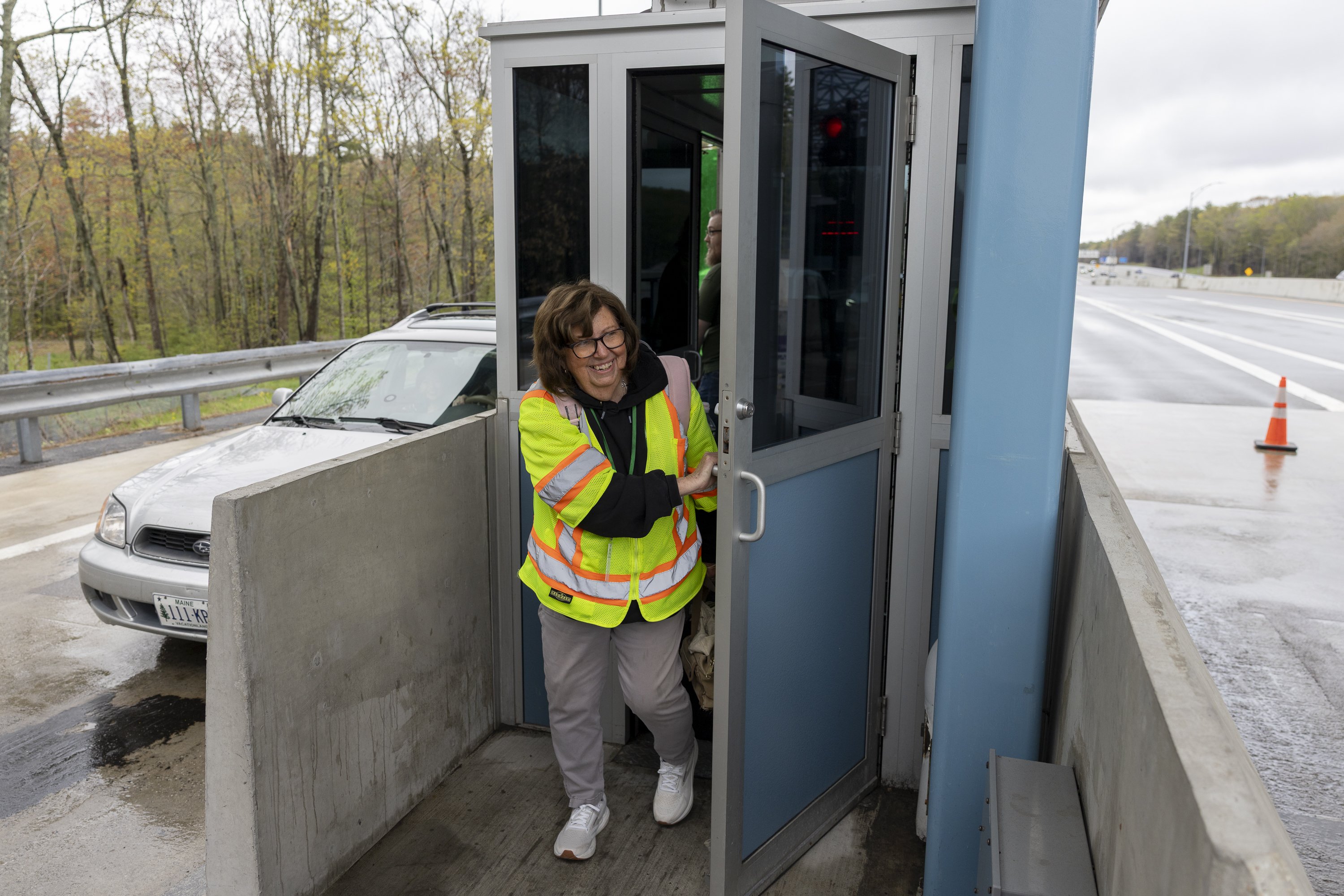
At the end of her shift, Knowles slid her water bottle into her light pink backpack.
She left the sounds of her booth — the snippets of pop songs, the grunts of drivers stretching out of the window to hand over money, the jangle of change, the drone of semis and SUVs — for the quiet of the tunnel that took her back under I-95 to the office on the southbound side.
Above, the cars kept coming.

We invite you to add your comments. We encourage a thoughtful exchange of ideas and information on this website. By joining the conversation, you are agreeing to our commenting policy and terms of use. More information is found on our FAQs. You can update your screen name on the member's center.
Comments are managed by our staff during regular business hours Monday through Friday as well as limited hours on Saturday and Sunday. Comments held for moderation outside of those hours may take longer to approve.
Join the Conversation
Please sign into your CentralMaine.com account to participate in conversations below. If you do not have an account, you can subscribe here. Questions? Please see our FAQs.