


Just days after faculty at the University of Maine at Augusta passed a vote of no confidence against the university’s president, the UMaine System extended the president’s contract.
The Faculty Senate at the University of Maine at Augusta voted unanimously May 15 against President Jenifer Cushman. Faculty say the president ignored the university’s statement on shared governance policies over the management of Handley Hall and the implementation of a mandatory 90-credit degree structure.
The university’s faculty senate alerted the board of trustees and Chancellor Dannel Malloy about the vote of no confidence on May 22, a few days after the vote to ensure the faculty senate’s meeting minutes and votes were counted correctly.
“A unanimous faculty vote of no confidence in a sitting campus president is not a procedural footnote,” faculty senate president Peter Precourt wrote to university officials. “It is a signal of deep, significant, institutional distress that demands a substantive response.”
Before the vote of no confidence, the faculty senate sent a detailed letter on May 4 to Cushman, Malloy and the university system’s board of trustees about concerns over Cushman’s leadership. The faculty senate did not immediately hear back, so they went forward with the no confidence vote.
Three days later, the university system extended Cushman’s contract through June 30, 2027.
Faculty senate members said in the May 4 letter that they were not given the opportunity to offer insight or advice on the possible sale of the Handley Hall.
Handley Hall is a four-story building in downtown Augusta that was gifted to the university and is home to the nationally accredited architecture program. The program’s accreditation relies heavily on the building and its features, faculty say.
University officials said that the building is too costly at $110,000 annually, which includes utilities, basic operations and custodial staff. The university system has put $190,000 into addressing maintenance and repairs in the building over the past two years.
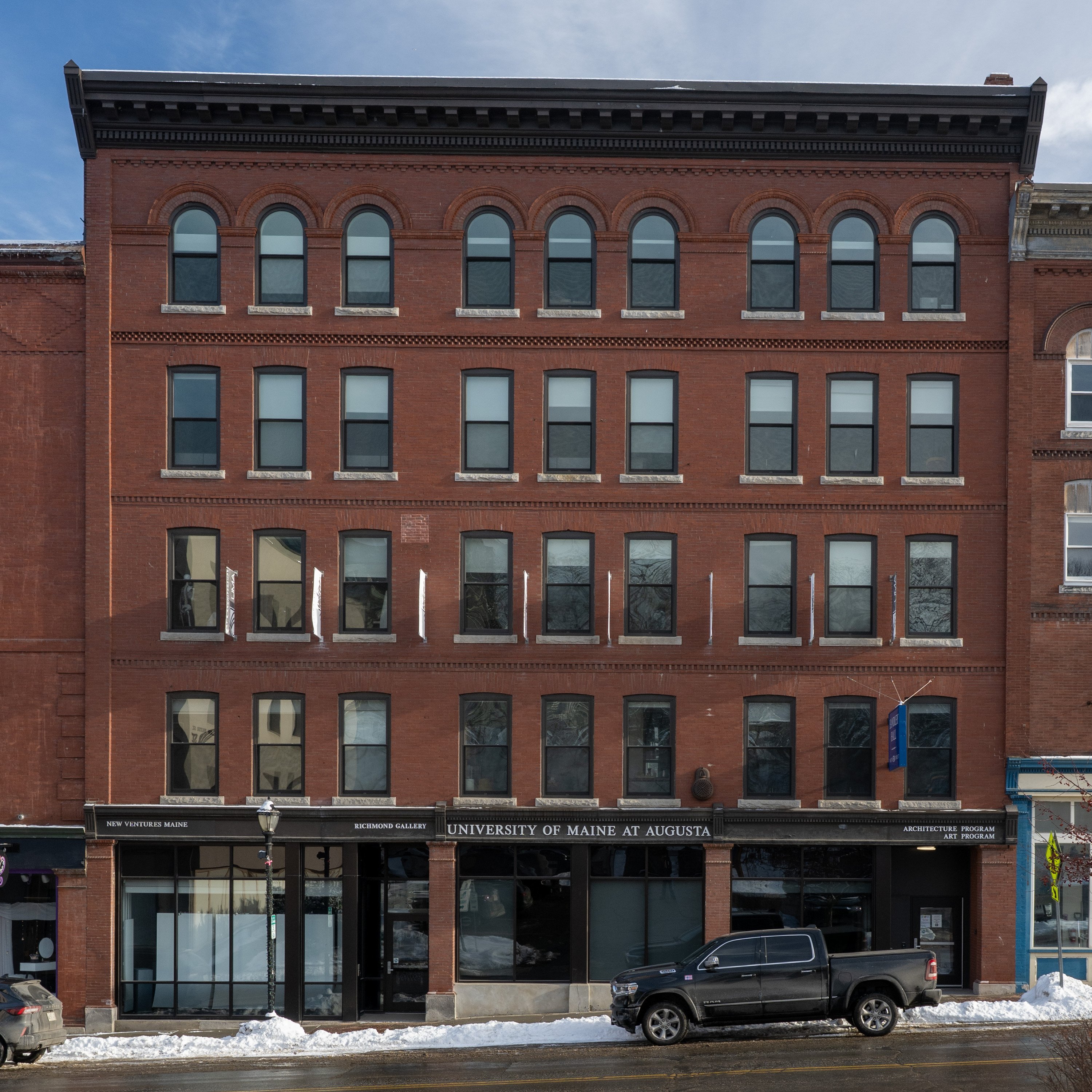
Faculty learned about the administration’s plans to sell the building and move the architecture program to a small set of rooms on the university’s main campus in early 2025 and sent several correspondences with concerns.
When faculty attempted to give feedback, they were met with a pattern of disregard and disrespect from administrators, the May 4 letter said.
Faculty allege that despite being formally made aware of these violations, Cushman continued to circumvent shared governance structures and obligations.
“The Faculty Senate most strenuously objects to administrators using disrespectful language, in meetings and online, to disparage faculty,” the letter said.
The exact plans for Handley Hall and the program are on hold, but faculty say the situation broke the UMaine System’s statement of shared governance, which requires administrators to seek faculty input before decisions are made.
Faculty urges the system to commit to a respectful collaborative model.
“In the specific case of Handley Hall, we could have avoided a year of unproductive wrangling had administrators enlisted stakeholders in the discussion and utilized their faculty’s expertise,” the letter said. “Faculty could have provided much-needed information about disciplinary and program needs that should have been considered before decision-making began.”
In a statement, Cushman said she takes the concerns of the faculty seriously, even if she sees the process or decisions differently.
“I remain deeply respectful of UMA’s faculty and staff and believe in the work they do every day for our students,” she said. “I remain committed to approaching this work with integrity, good stewardship of public resources, and care; and to shared governance, open communication, and the long-term future of our university. I am confident that the work of the shared governance task force will help us move forward together to fulfill UMA’s mission to transform lives.”
Malloy and trustee Roger Katz replied in a letter dated May 27 that Cushman has their “full confidence and support.”
The board of trustees applauded her efforts in growing enrollment at the university, creating new academic programs and improving community and employer partnerships.
“President Cushman has committed to continuing to honor shared governance and also to improving her communication. Consistent with that commitment and in response to questions and feedback from faculty and other stakeholders, President Cushman has paused planning for the possible relocation of the Art and Architecture programs until additional information can be gathered. We support that decision,” said the letter from Malloy and Katz.
The university hired Cushman in July 2023 to serve as president.
Before Cushman’s hiring, the university faced backlash for the botched hiring of Michael Laliberte. The chancellor and presidential search committee knew but did not share with faculty that Laliberte received several votes of no confidence at his former university, which violated university policy.
Laliberte withdrew his candidacy and received a settlement that paid him $235,000 annually through 2024.

Comments are not available on this story. Read more about why we allow commenting on some stories and not on others.
We believe it's important to offer commenting on certain stories as a benefit to our readers. At its best, our comments sections can be a productive platform for readers to engage with our journalism, offer thoughts on coverage and issues, and drive conversation in a respectful, solutions-based way. It's a form of open discourse that can be useful to our community, public officials, journalists and others.
We do not enable comments on everything — exceptions include most crime stories, and coverage involving personal tragedy or sensitive issues that invite personal attacks instead of thoughtful discussion.
You can read more here about our commenting policy and terms of use. More information is also found on our FAQs.
Show less