


AUGUSTA — State officials announced three rural healthcare funding opportunities on Tuesday with less than four months remaining to use or lose $190 million in federal support.
Maine received the money late last year from the Rural Health Transformation Program, a federal program to fund rural healthcare innovation and sustainability initiatives in every state.
State officials hoped that the program could help offset some of the funding lost when the Republican budget bill that passed last year significantly reduced Medicaid funding for rural health nationwide.
The federal government approved Maine’s budget in late March, Kristen McAuley, Maine’s RHTP director, said in a meeting with the Legislature’s Health and Human Services Committee.
They didn’t approve everything, though.
The U.S. Centers for Medicare & Medicaid Services vetoed two funding proposals that would have helped hospitals recover uncompensated care costs and uninsured patients pay for treatment. The remaining funding initiatives can only be used for federally approved purposes, such as IT upgrades and rural workforce recruitment.
Maine has has until Oct. 1 to obligate the funds.
The restrictions come after the Trump administration made deep cuts to the federal Medicaid program last year, implementing first-time work requirements that experts estimate will cause more than 31,000 Mainers to lose health insurance in the first year, starting in January 2027. The cuts could cost Maine’s hospitals more than $66 million a year.
Maine stands to lose $5 billion in Medicaid funding.
Legislators expressed concerns Tuesday that $190 million in RHTP funding, bound by federal requirements, won’t cover the loss of Medicaid funds that threaten the financial future of rural healthcare in Maine.
Here’s what you need to know.
3 FUNDING OPPORTUNITIES
Maine proposed funding opportunities that align with the federal government’s five “strategic goals,” including technological advancement, alternative payment models, workforce development, population health and healthcare access.
As of this week, Maine has divided nearly $90 million between three provider funding opportunities. Here’s the breakdown:
- $30 million for technology innovation, which includes replacements, upgrades and enhancements — focusing especially on “electronic medical record modernization.” Hospitals and provider organizations are eligible for this funding.
- $30 million to provide hospital financial management, planning assistance and targeted investments to promote long-term hospital sustainability. Between five and 10 financially at-risk hospitals are eligible.
- $28.5 million to support the transition to alternative payment models. Critical access hospitals, general hospitals, federally qualified health centers (FQHCs) and Certified Community Behavioral Health Clinics (CCBHCs) are eligible.
McAuley said applications will open on a tiered basis, with electronic medical record funding expected first. The remaining $100 million will go toward workforce development, population health, technology and innovation and other initiatives.
Maine has less than four months to obligate all $190 million, and providers must use the funds by September 2027.
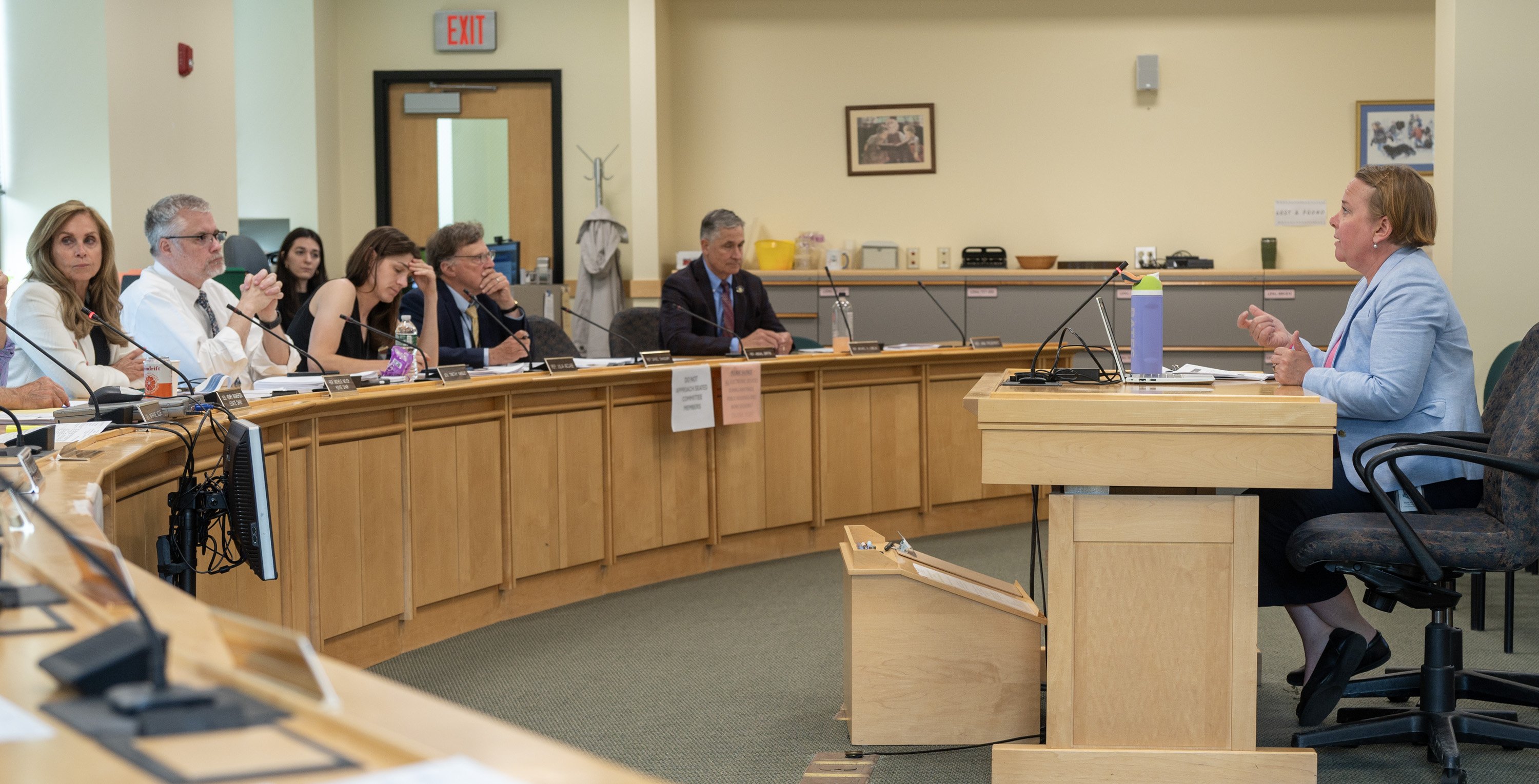
“Any funds that are unused at the end of that expenditure time then are recouped by CMS and will be redistributed to other states,” McAuley said. “So it is pretty serious stakes here.”
Year-two funding applications are due at the end of August.
FEDS REJECTED PLAN TO HELP UNINSURED PATIENTS
States received funding from CMS under cooperative agreements, rather than traditional grants. That means federal officials have final say over how Maine can use its funding.
Maine had proposed two initiatives to improve healthcare access and bridge the affordability gap in rural areas. One was to pay providers — FQHCs, hospitals, and CCBHCs — for the uncompensated care they deliver, and the other would have paid providers to help treat uninsured patients.
McAuley said CMS rejected those plans because it does not allow states to supplement Medicaid, known here as MaineCare, with RHTP funds. The federal government also has a 20% cap on infrastructure investments and capital improvements for rural facilities.
Instead of directly paying hospitals, McAuley said, Maine will fund transitions to alternative payment models. That might include moving to value-based payment, which compensates providers based on the quality of patient health outcomes, instead of the traditional fee-for-service model.
She said hospitals, FQHCs and CCBHCs, which are obligated to provide care, could benefit from this approach.
“We are looking at the volume of uncompensated care that they provide and identifying that as it relates to the award amount that they might receive,” McAuley said, “specific to, though, how they are transitioning to alternative payment models.”
‘ALL THAT WE’RE LOSING’
Toward the end of the meeting, Rep. Anne Graham, D-North Yarmouth, brought up what Maine stands to gain and lose from Trump’s changes.
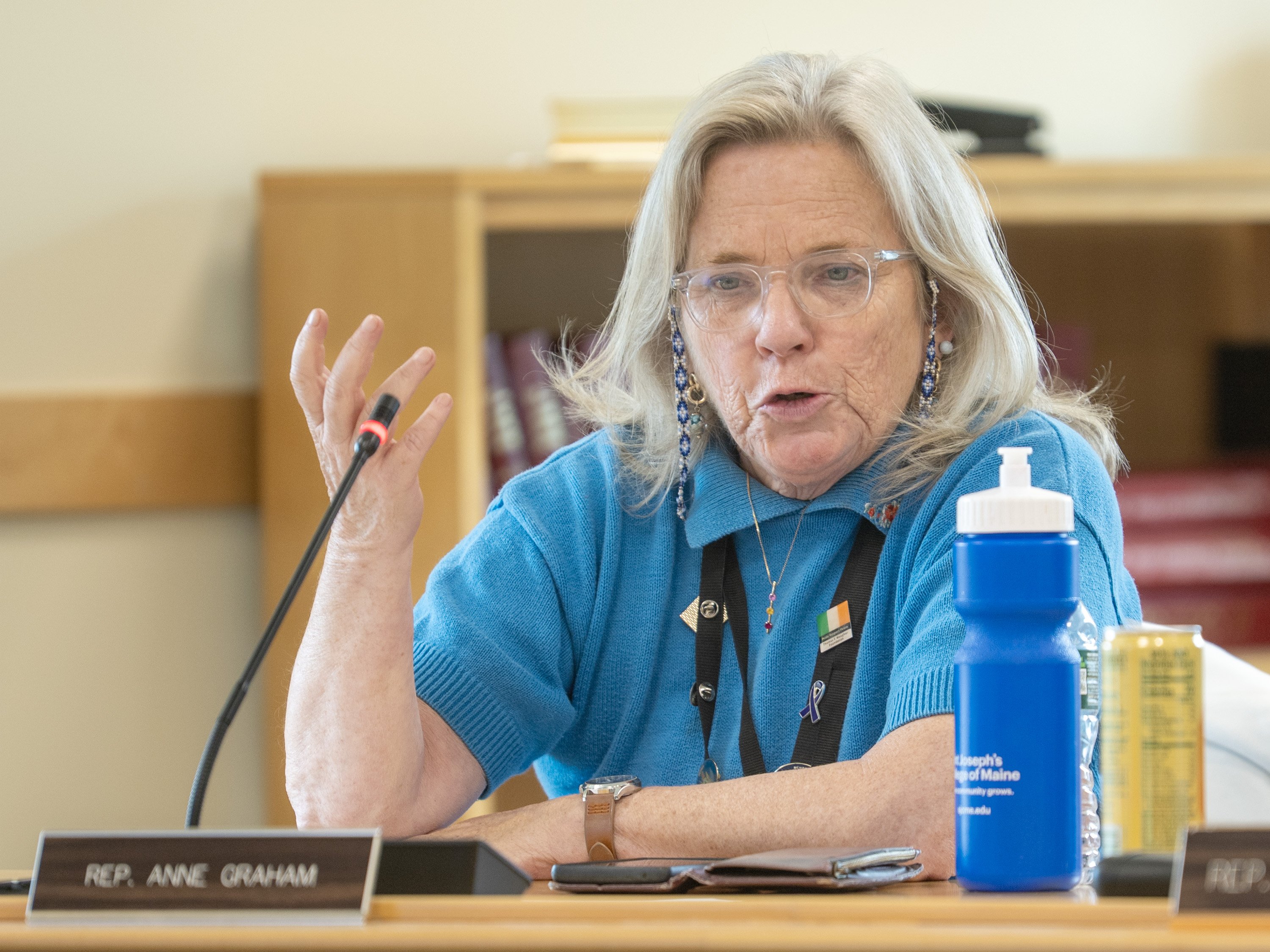
“With the amount of MaineCare cuts that we are facing,” Graham said, “does this cover all that we’re losing? By having the new Rural Health Transformation Program?”
McCauley acknowledged that projections for RHTP “don’t necessarily have an apples-to-apples situation for the anticipated cuts that will happen.”
She said she focuses on how the $190 million can be invested “the best way that it can be” for rural Maine.

We invite you to add your comments. We encourage a thoughtful exchange of ideas and information on this website. By joining the conversation, you are agreeing to our commenting policy and terms of use. More information is found on our FAQs. You can update your screen name on the member's center.
Comments are managed by our staff during regular business hours Monday through Friday as well as limited hours on Saturday and Sunday. Comments held for moderation outside of those hours may take longer to approve.
Join the Conversation
Please sign into your CentralMaine.com account to participate in conversations below. If you do not have an account, you can subscribe here. Questions? Please see our FAQs.