


PORTLAND — A federal judge heard arguments Friday on whether to dismiss the forced labor and abuse case against a Maine boarding school.
It was the first hearing in the case brought by Jessica Fuller, who alleges she experienced physical and emotional abuse at Hyde School, although attorneys are seeking to certify a much larger class of students who they say had similar experiences, which could include more than 100 individuals.
The lawsuit was filed in U.S. District Court for the District of Maine last July against the school and several of its top leaders. It accuses the 60-year-old Bath boarding school of abuse, neglect and trafficking, and says Hyde and its leaders benefited financially from the forced labor of students.
The school has strongly denied the allegations, and filed a motion to dismiss the suit last fall, arguing Fuller lacked standing to sue.
Attorneys for Fuller requested in June that oral arguments be held on the motion so the court could work out distinctions in the law. Judge Stacey Neumann told the parties Friday that she doesn’t typically hold oral arguments at this stage, but said the hearing had been very helpful.
Sarah Grossnickle, a lawyer for the school, said the case should be dismissed because Fuller had not personally experienced all of the harms the case was claiming during the short seven-month period she attended the school in 2014 and 2015.
She also said the forced labor argument made by Fuller’s attorneys does not meet the legal standard, because if labor was a punishment for breaking school rules, Fuller could have avoided that labor by following school mandates.
“Not all forms of coercion that motivate someone to work are unlawful and amount to involuntary servitude,” the attorney said.
Grossnickle argued further that Fuller shouldn’t be able to bring a lawsuit against three of the specifically named defendants — former school leaders who did not work at the school during the short time span that she attended Hyde.
Kim Dougherty, an attorney for Fuller, said her client was a vulnerable child taken from her community, suffering from depression and coping with sexual assault, who was promised a supportive therapeutic environment and instead was subjected to labor and attack therapy. She said Hyde students experienced forced labor as punishment for breaking rules, but also in other contexts.
Dougherty cited several other instances when courts declined to dismiss cases with similar circumstances around forced labor by institutions, and said lawyers for the school had failed to provide any examples of a court tossing out a comparable complaint at this early stage.
She said Fuller has the right to plead on behalf of a group before the class has been certified, but told the judge that she had other potential class representatives that they could add if the court requested it. Dougherty asked that they be allowed to move on to discovery.
Nobody besides the attorneys attended Friday’s hearing in person. It was held almost a year to the date since the lawsuit was filed.
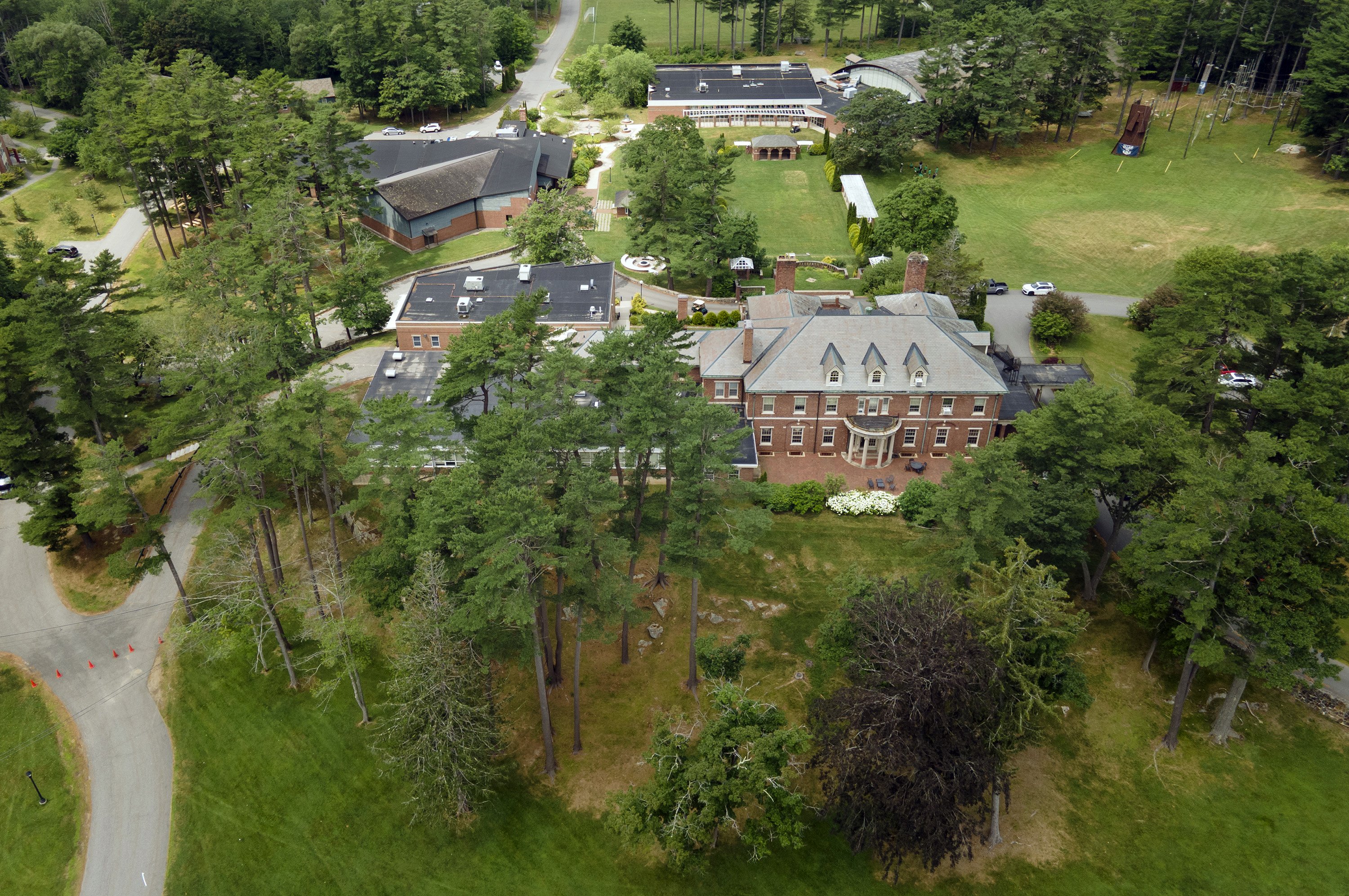
At that time, the Press Herald published an investigation based on interviews with former students and parents who described the school’s practices around punishment and therapeutic intervention as abusive and irresponsible.
Since then, the Press Herald has spoken to more than 50 former students who say they experienced long-term psychological harm as a result of their time at Hyde. However, due to the 10-year statute of limitation, most of those individuals, some of whom attended the school as far back as the 1970s, cannot participate in the suit.
Dougherty suggested Friday that the attorneys may also attempt to incorporate class members under a federal statute that allows victims of forced labor who were minors at the time to file a complaint with no statute of limitations, as long as the incident occurred after 1994, when that rule was passed.
Hundreds of former students, parents and staff members have also defended the school, including in an open letter that ran as a paid advertisement in the paper last July, describing it as a positive and transformative educational experience and denying abuse and forced labor practices.
Attorneys for Hyde declined to comment after the hearing.
The case hit an odd snag last winter when attorneys for the school pointed out a series of citation errors in a filing by another one of Fuller’s attorneys, Kelly Guagenty. Guagenty eventually admitted the errors had been caused by AI-generated work, and was sanctioned by the judge and required to take a course on AI use in law, which she did.
A Maine-based attorney affiliated with the case withdrew from the case over the errors, but Guagenty found a new in-state attorney, Kevin Fitzgerald, which allowed her and Dougherty to keep working on the case, even though they are based in Massachusetts.

We invite you to add your comments. We encourage a thoughtful exchange of ideas and information on this website. By joining the conversation, you are agreeing to our commenting policy and terms of use. More information is found on our FAQs. You can update your screen name on the member's center.
Comments are managed by our staff during regular business hours Monday through Friday as well as limited hours on Saturday and Sunday. Comments held for moderation outside of those hours may take longer to approve.
Join the Conversation
Please sign into your CentralMaine.com account to participate in conversations below. If you do not have an account, you can subscribe here. Questions? Please see our FAQs.