

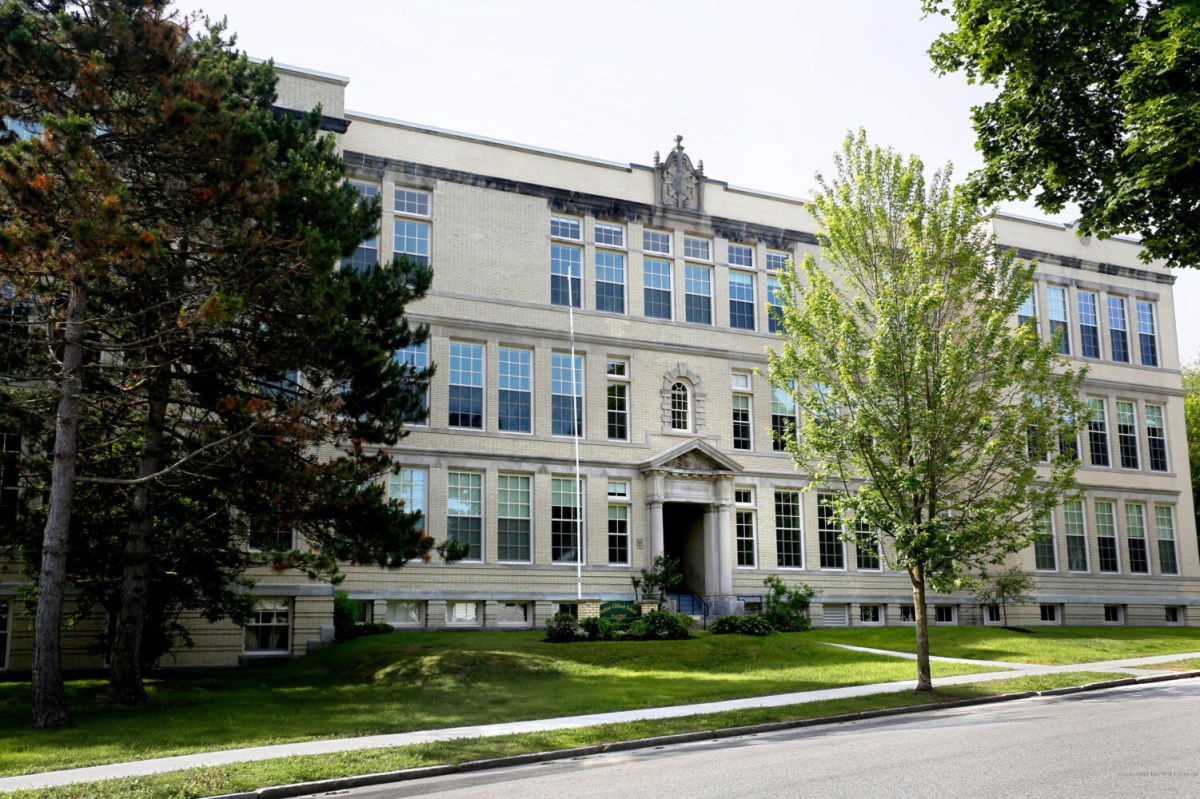
One statewide crisis — a growing number of deteriorating schools nearing the end of their lifespan — could play an important role in ending another: the critical lack of affordable housing.
There are dozens of vacant school buildings across the state that lawmakers believe could be transformed into apartments but instead are languishing in their communities as local officials grapple with the daunting technical and financial requirements to do so.
A bill by Rep. Traci Gere, D-Kennebunkport, would establish the Vacant School Housing Conversion Program within the Maine Redevelopment Land Bank Authority.
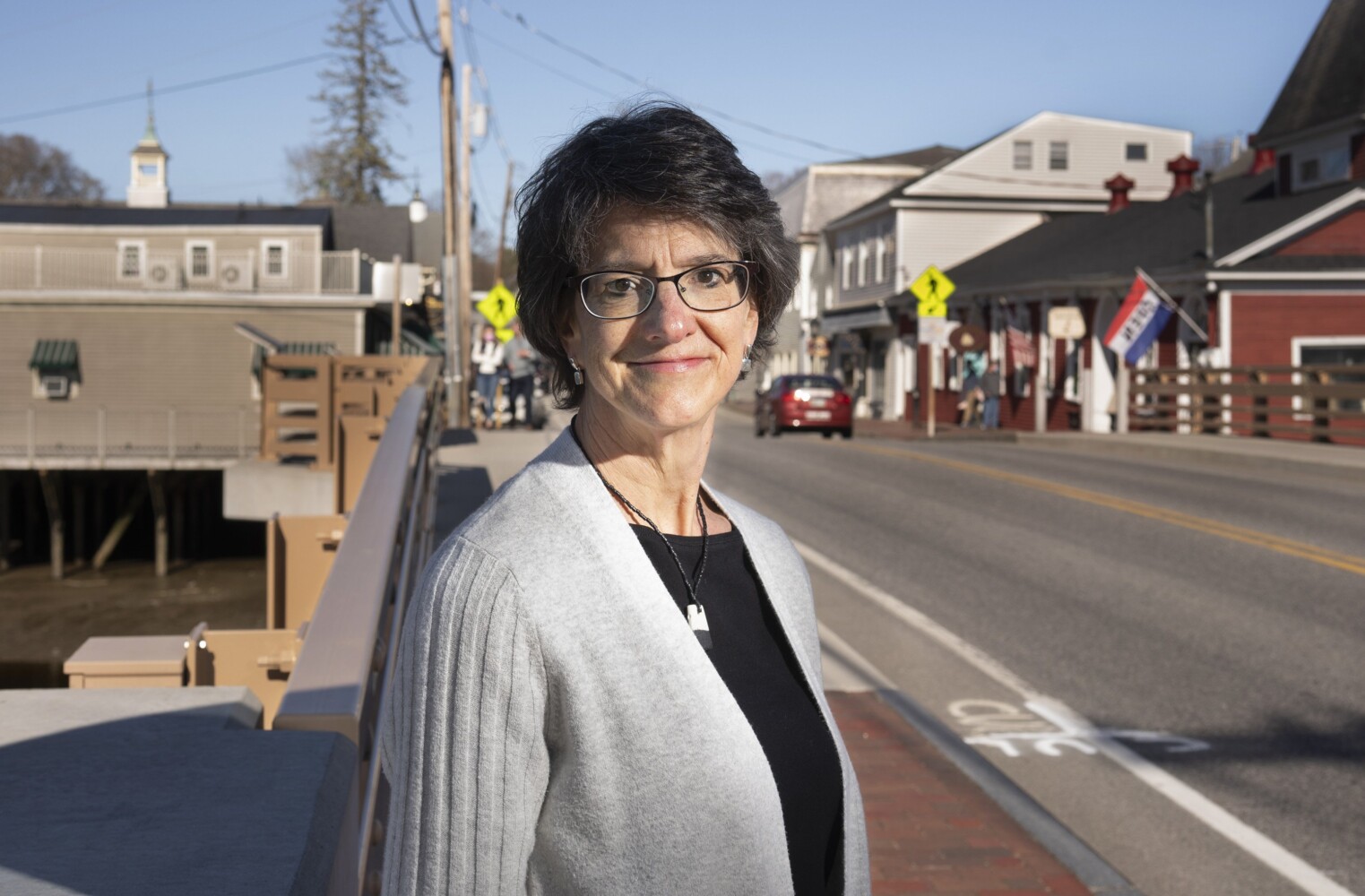
“For communities looking to create housing in the current economic environment, vacant schools offer important benefits,” Gere said. They’re already connected to local infrastructure, are easily accessible by road and often “occupy a warm place in community members’ hearts,” she said Tuesday during a public hearing on the bill, LD 2164.
However, some school conversions are easier than others and many projects don’t materialize despite “valiant” local efforts, Gere said.
“The complexities and the hurdles can prove daunting and prevent good projects from happening,” she said.
The program, coupled with a $5 million annual fund, would assist municipalities seeking to develop vacant school buildings into residential housing.
The bill is scheduled for a work session and possible committee vote on Thursday. Even if it does pass, lawmakers would have to find a way to fund it, which could be a hurdle.
A PROVEN MODEL
The Maine Redevelopment Land Bank Authority, which was set up in 2022 and launched in 2024, is a state entity dedicated to assisting communities with the redevelopment of abandoned or otherwise unused properties that may be unattractive to private or municipal developers.
The authority launched a pilot program last year to help communities redevelop these vacant buildings and is currently assisting projects in Union, Liberty and Brooks.
There are at least a dozen more towns that are interested, said Gabe Gauvin, programs manager for the authority.
Schools are often “recognizable community anchors,” but their scale and configuration can create barriers for municipalities, particularly rural communities with limited resources.
“The longer a building remains vacant, the less likely successful reuse becomes,” Gauvin said.
And successful reuse is possible.
“This is a model that has been done before,” said Elizabeth Frazier, representing the Maine Real Estate and Development Association. “We’re not reinventing the wheel here.”
Indeed, Maine has been converting schools into apartments for years, although it’s not clear just how many projects have been completed.

Nearly 20 years ago, Avesta Housing turned Kennebunk’s former Park Street Elementary School into 30 affordable apartments for older adults. A private developer has pitched a similar project for the former Gateway Elementary School in Van Buren.
In Augusta, the former Cony High School is now a 48-unit affordable independent living complex. In Lewiston, the former Martel School property is slated to be redeveloped into 88 units. And the Nathan Clifford School and the Shailer and Emerson schools in Portland have also all become housing.
AGING INFRASTRUCTURE
Meanwhile, Maine’s school infrastructure is showing its age.
The governor’s Commission on School Construction last year found that an overwhelming majority of schools — 500 out of 600 — will need to be replaced in the next 20 years.
Roughly 50 schools have closed since 2016, according to state data, and at least two dozen more have indicated they plan to shutter in the next decade.
While the conservative $11 billion cost estimate for 500 school replacements is bad news for the budget, it could also be a practical solution for a state grappling with a snowballing housing shortage.
With the list of vacant schools poised to grow dramatically, “providing planning tools and resources now allows municipalities to respond proactively and deliver housing more efficiently,” Gauvin said.
But in a tight and competitive budget environment, even $5 million could be a tough sell for lawmakers. If the bill does pass the committee — and the Legislature — it could struggle to get funded at the appropriations table.
GETTING TO THE FINISH LINE
Officials in the Knox County town of Union have been struggling for years to redevelop a 1930’s-era school that shuttered in the late 1980s and then operated as a community center for 30 years.
The community center closed its doors a few years ago and now the town is working to turn the 90-year-old building into senior housing, said Todd Souza, town manager.
That has proven difficult.
Union has spent more than $100,000 in development costs, insurance and stabilization maintenance, Souza said in written testimony. The figure does not count money received through grants and nonprofits.
The project has been on the ballot for four referendum/election votes, ranging from ownership options, fundraising and the creation of a tax increment financing district. The project has used historic tax credits and undergone brownfield environmental assessments.
“Each step of the way, the town worked to remove barriers to make the project more attractive to developers,” Souza said.
But it hasn’t been enough and the town is still struggling to get the project over the finish line.
Souza believes a program like the one in Gere’s bill could make a difference.
“We believe this approach will help unlock housing opportunities across Maine while respecting the financial and administrative limits of local governments,” he said. “For communities like ours, LD 2164 offers a realistic path forward where few currently exist.”

We invite you to add your comments. We encourage a thoughtful exchange of ideas and information on this website. By joining the conversation, you are agreeing to our commenting policy and terms of use. More information is found on our FAQs. You can update your screen name on the member's center.
Comments are managed by our staff during regular business hours Monday through Friday as well as limited hours on Saturday and Sunday. Comments held for moderation outside of those hours may take longer to approve.
Join the Conversation
Please sign into your CentralMaine.com account to participate in conversations below. If you do not have an account, you can register or subscribe. Questions? Please see our FAQs.