
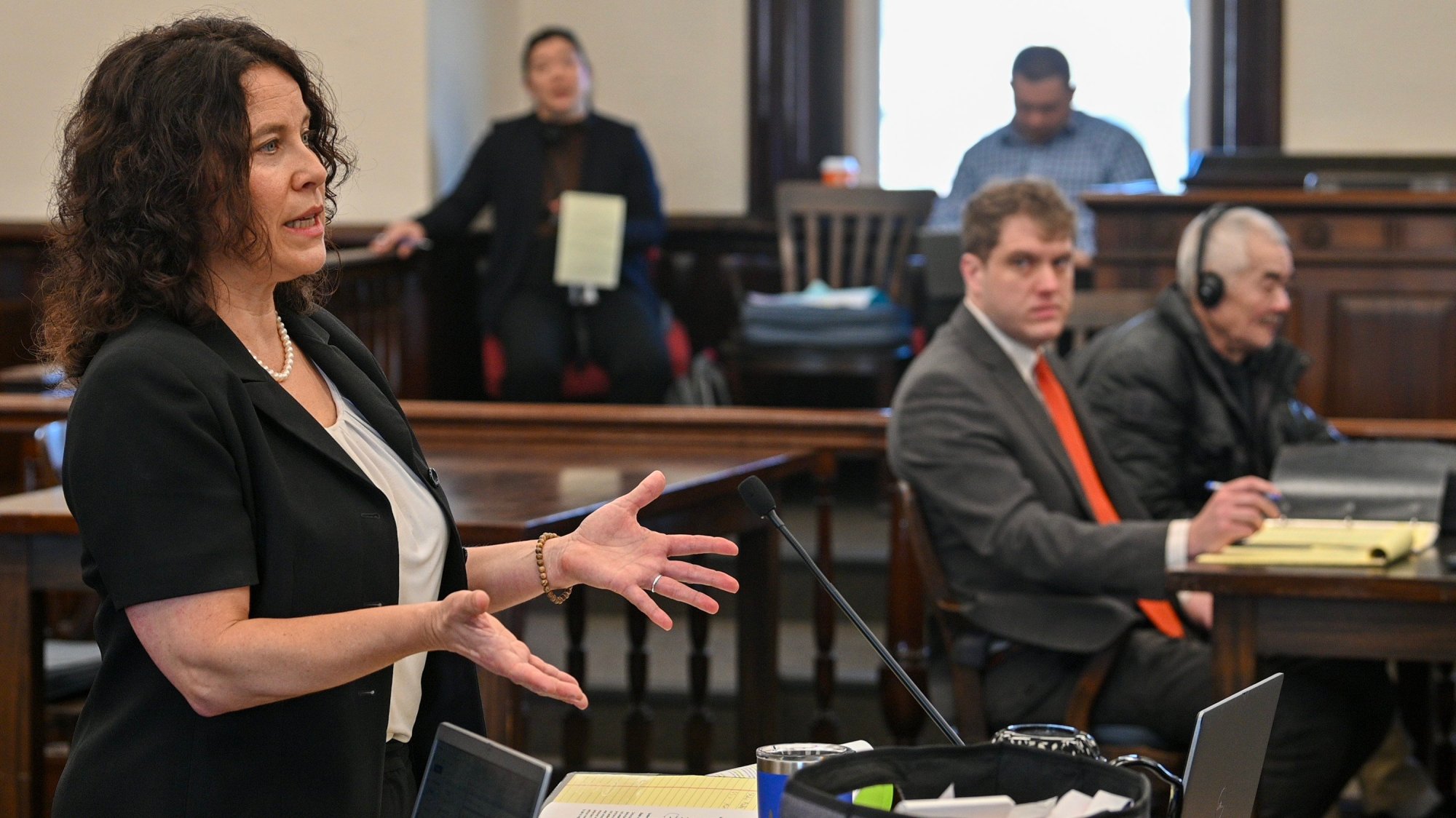

SKOWHEGAN — More than two years after a law enforcement crackdown began on unlicensed cannabis growing operations in rural homes, the apparent logjam of cases stemming from the raids appeared to begin to break last week.
Four of the grow house cases in Somerset County were set last week for hearings on requests from defense attorneys to toss certain evidence ahead of trial.
Instead, plea deals were struck in two cases, both of which include no prison time. A third, meanwhile, was postponed while attorneys sort out a legal question with apparently no precedent in Maine. The fourth proceeded as planned; the judge had yet to issue a ruling as of Friday.
The series of hearings in Skowhegan in similar cases continues this week with three more cases scheduled. District Attorney Maeghan Maloney, the top elected prosecutor for Kennebec and Somerset counties, said Friday she expects plea agreements in two of them, with discussions in the other one ongoing.
The cases are important — and legally complicated — enough that Maloney said she is handling them herself, as her assistant district attorneys do not have sufficient time to prepare.
“If we don’t put the time and effort into these cases,” Maloney said, “we won’t be successful because of the unique issues that are present.”
Maloney pointed to several reasons she sees the cases as priorities. Among them, she hinted at possible indications of human trafficking, such as the fact that the people law enforcement encountered at the grow houses could not speak English, were brought to rural areas without their own transportation and had no clear employment agreements.
The operations also caused environmental damage, as chemicals used for growing cannabis polluted wells and waterways and homes were filled with black mold, Maloney said. And she believes cannabis businesses that do participate in Maine’s regulations were undermined and harmed.
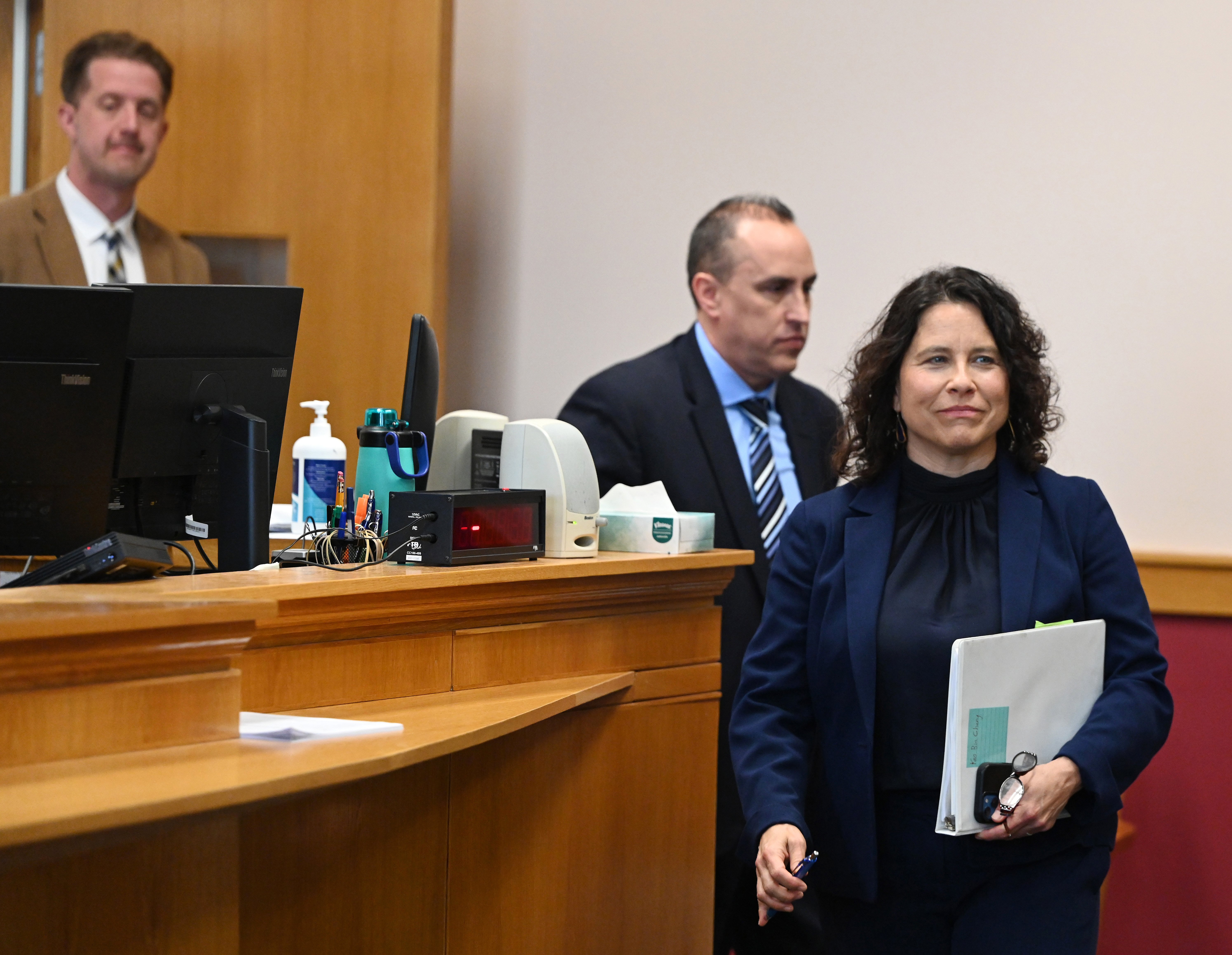
Amid the wave of enforcement targeting the illegal growing operations — which federal prosecutors at one point said totaled 200 and suggested could be connected to organized, transnational crime organizations with ties to China — the Somerset County Sheriff’s Office executed two dozen search warrants and made more than a dozen arrests. Most busts were in the first half of 2024, although some came later in 2024 and into 2025.
Most of the 16 Somerset County criminal cases that resulted have been lingering on the court’s docket for various reasons, including the logistical challenge of finding Cantonese-English interpreters to assist the defendants.
The courts brought in two interpreters from Massachusetts last week, Maine Judicial Branch spokesperson Barbara Cardone said. For the hearings this week, the courts contracted interpreters from Maryland. The interpreters work with courts in their home states.
The Judicial Branch is paying for their travel and lodging expenses, Cardone said.
Until this week, a plea agreement was reached in only one Somerset County case, with a misdemeanor charge against Xi Qiang Zhao, 58, of Skowhegan and Brooklyn, New York, dismissed in a deferred disposition.
One other Somerset County case was dismissed as federal prosecutors filed related charges in U.S. District Court, records show. That defendant, Jiamin Liao, 30, of New York, pleaded guilty in January and awaits sentencing.
Defendants have failed to appear in court in a handful of the Somerset County cases. But most cases have remained pending, with defendants, many of whom are from other states, free for now on bail.
DEALS STRUCK
In October, Superior Court Chief Justice Robert E. Mullen urged prosecutors and defense attorneys to come to the table to resolve what he called the “logjam” of grow house cases. He saidhe would accept plea deals that would result in no jail time but large fines.
Mullen was true to his word in the case of Dongming Liao, 43, of Monterey Park, California.
Liao pleaded guilty Wednesday to marijuana cultivation, a Class B felony, in exchange for a cap on the sentence prosecutors requested at six months in jail, three years of probation and a $10,000 fine.
Liao also agreed to forfeit $1,882 in cash seized during the April 2024 search of a residence on Cooley Road in Harmony that led to his arrest, while prosecutors agreed to dismiss the forfeiture of a 2017 Ford Transit van and return it to Liao.
Mullen decided against imposing prison time or probation and settled on the $10,000 fine, which Liao was given a week to pay. He also gave a stern warning to Liao to stay out of Maine.
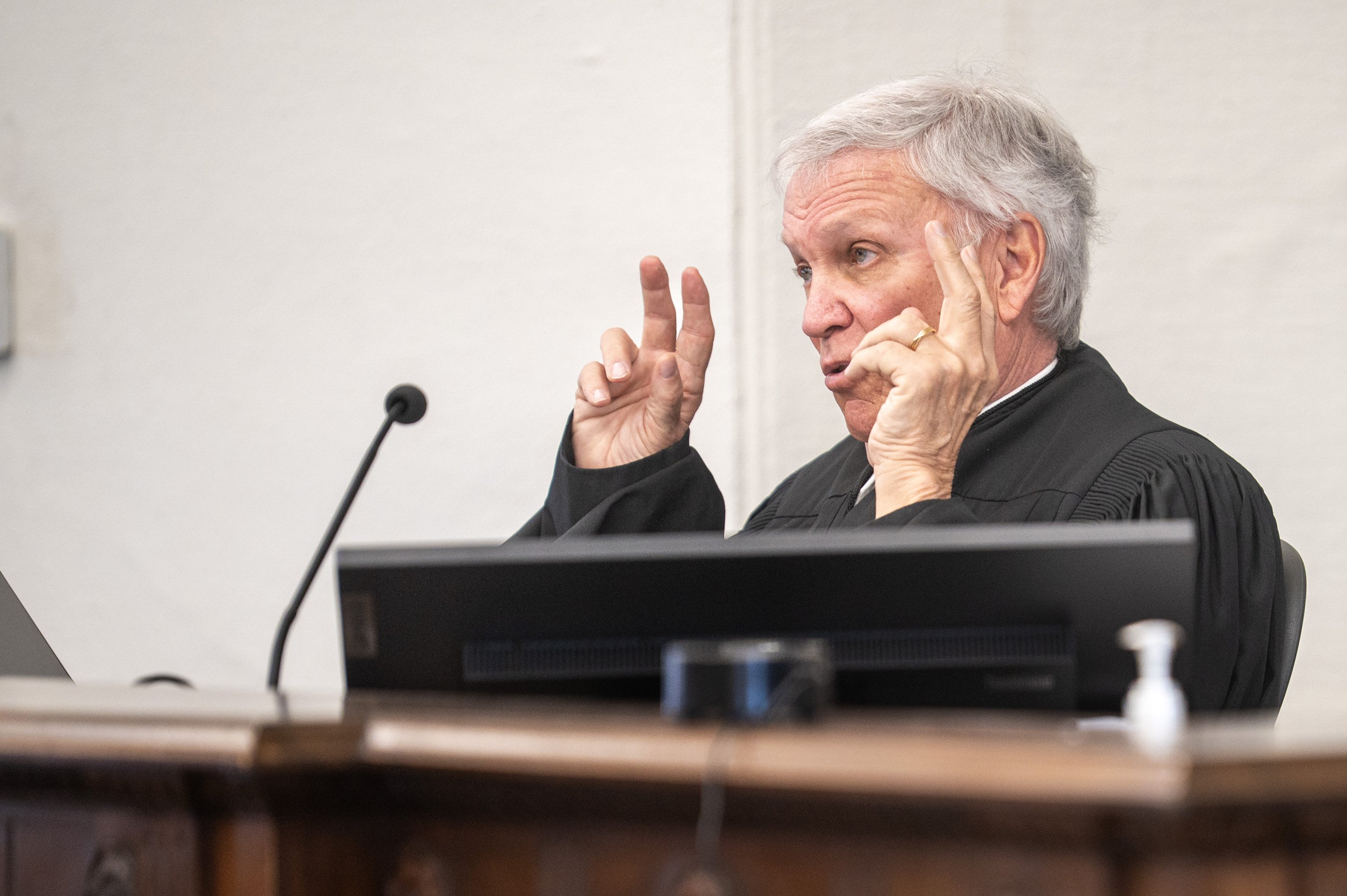
Another man arrested later in 2024 in a similar raid in Cornville got a different deal last week.
Prosecutors expect to dismiss felony-level drug trafficking and marijuana cultivation charges against Yihui Chen, 53, of Brooklyn, New York, in exchange for a guilty plea to a Class C felony offense of illegal disposal of hazardous materials and the forfeiture of $130 in cash and a 2015 Toyota Sienna van.
Under the agreement, Chen would make a $10,000 donation to a local organization and agree to stay out of Maine and cannabis cultivation. If he complies with those terms for one year, Chen would face no further punishment. If he does not, a judge would have full discretion to decide his sentence.
Chen, who was scheduled to be in court Thursday for a motion hearing, is due back May 20 to formally enter the guilty plea and be sentenced.
His attorney, Wendell Skidgel, told Mullen the guilty plea to the hazardous materials charge means Chen, who is not a U.S. citizen, would not necessarily be deported. The offense is not classified as a “crime of moral turpitude,” Skidgel said.
Crimes of moral turpitude can have serious consequences on immigrant status leading to deportation.
Maloney, answering questions Friday, gave Skidgel credit for identifying the statute related to disposal of hazardous materials, which is in a body of Maine law dealing with environmental regulations for waterways, outside the state’s main criminal code.
“It is something that I am now certainly considering, now that I have been made aware of this statute,” Maloney said.
She said, however, that it may not apply to all of the grow house cases, depending on whether law enforcement found certain quantities of regulated pesticides and herbicides when they executed search warrants. And some cases are against U.S. citizens, like Liao, so there are no possible immigration consequences, Maloney said.
In another case, Xinwen Zhang, 72, of Boston is set to plead guilty Tuesday, court records show. Maloney said she expects a plea agreement to be reached for the co-defendant in that case, Wenfeng Chen, 52, of Malden, Massachusetts. Both were arrested in an April 2025 search of a Harmony home.
Chen’s case was scheduled for a hearing related to request for sanctions against Maloney’s office for failing to hand over evidence to his attorney.
Plea negotiations were ongoing in the third case with a motion hearing this week, Maloney said.
LANGUAGE BARRIERS
In the other cases heard last week, attorneys are arguing over the lawfulness of some evidence, largely due to the language barrier between investigators and those arrested.
The dispute in the case of Yao Bin Cheng, 63, of Brooklyn, New York, that had been scheduled Friday centered on the accuracy of the interpretation of his interview with police. Cheng was arrested in a March 2024 search of a Skowhegan grow.
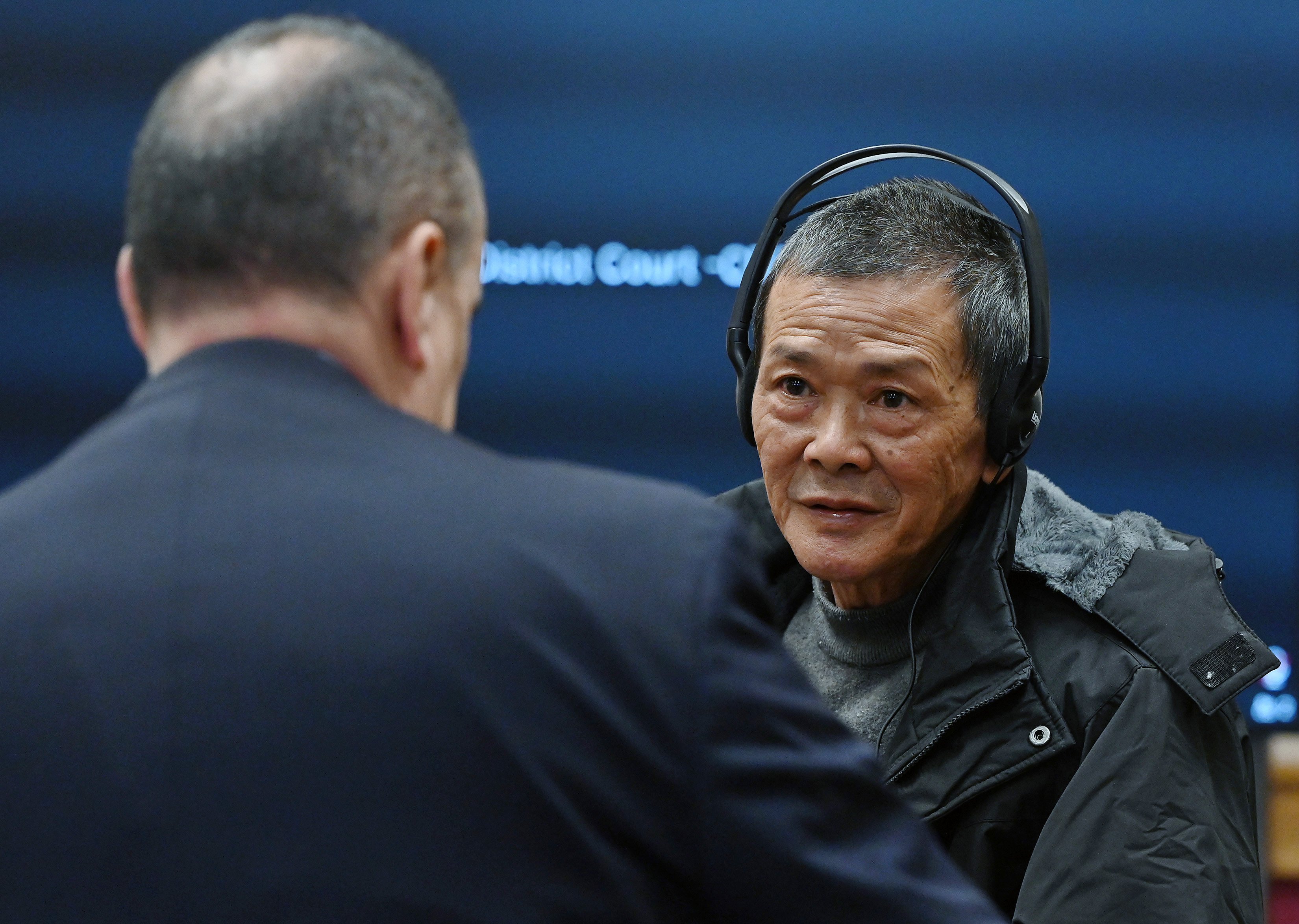
Maloney said authorities know only the interpreter was from a telephonic service and otherwise do not know who it was, so she could not call the person to testify. Instead, she had another interpreter review the recording of the interview, and that person could attest to its accuracy or any errors and testify in court accordingly.
Cheng’s attorney, Darrick Banda, questioned whether that was legally sufficient and also said Maloney’s office provided the interpreter’s analysis to him at the last minute, in violation of discovery rules.
With no known legal precedent on the issue in Maine, and talks of a plea deal ongoing, Mullen postponed the hearing until May 13.
Banda said Maloney has offered a deal similar to Yihui Chen’s, including a guilty plea to the hazardous materials offense. But Banda said he is not yet convinced it would not result in deportation.
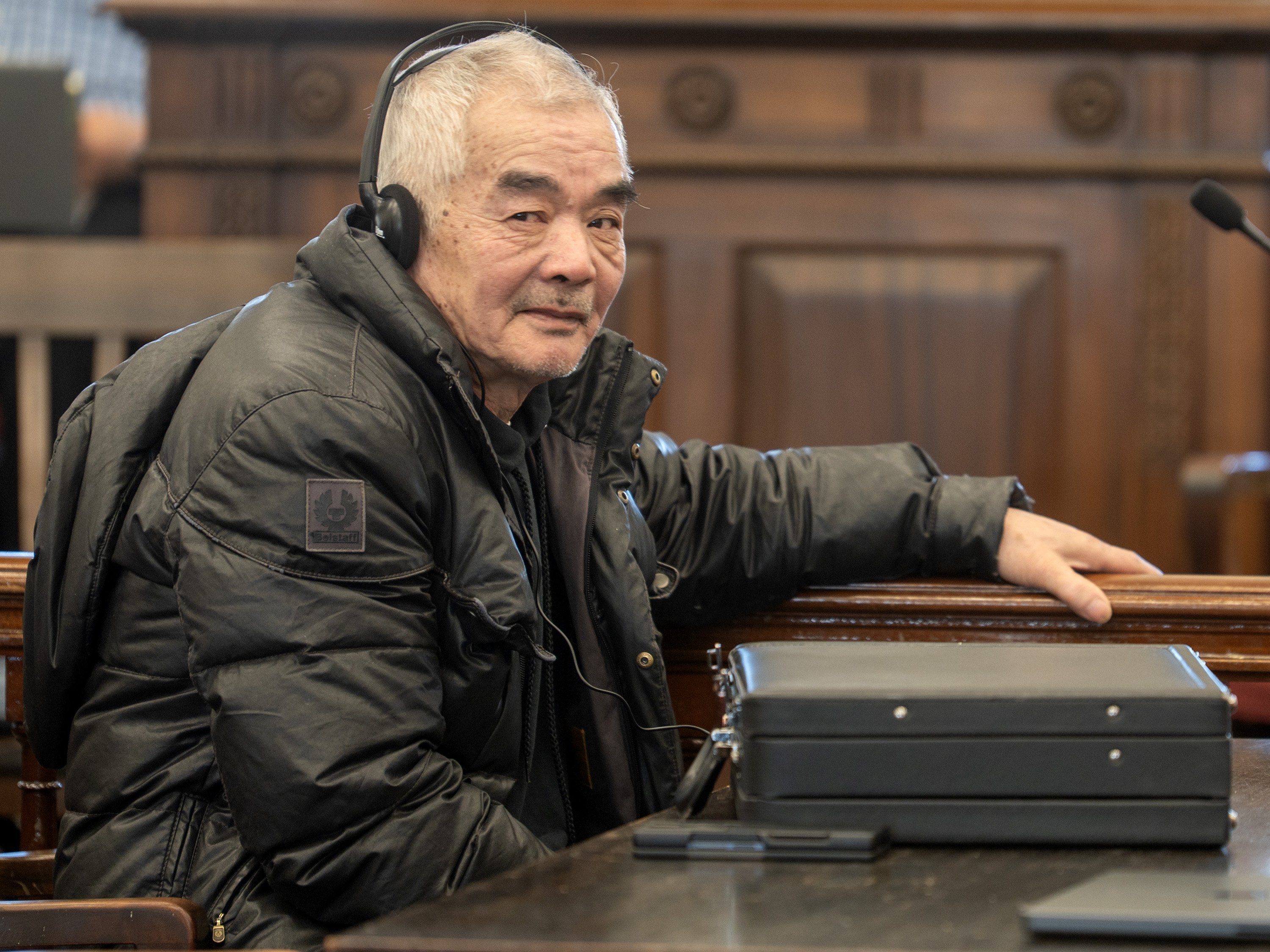
Tuesday’s hearing focused on a brief interaction between Somerset County Sheriff’s Office Detective David Cole and Jian Wu, 65, of Canaan, before Cole arrested Wu.
The sheriff’s office had searched a grow house on Hinckley Road in Canaan in May 2024 and found documents that appeared to belong to Wu. Cole testified he and another detective located Wu’s vehicle the next day in Skowhegan and followed him into the parking lot of Walgreens on Madison Avenue.
Cole asked Wu if he spoke English, if he owned the Hinckley Road property and if he had a license to grow cannabis. At one point, Wu called someone who said he was his son, who helped facilitate the conversation. Cole’s testimony focused on the sequence of questions and how he stood in relation to Wu, who remained in the car.
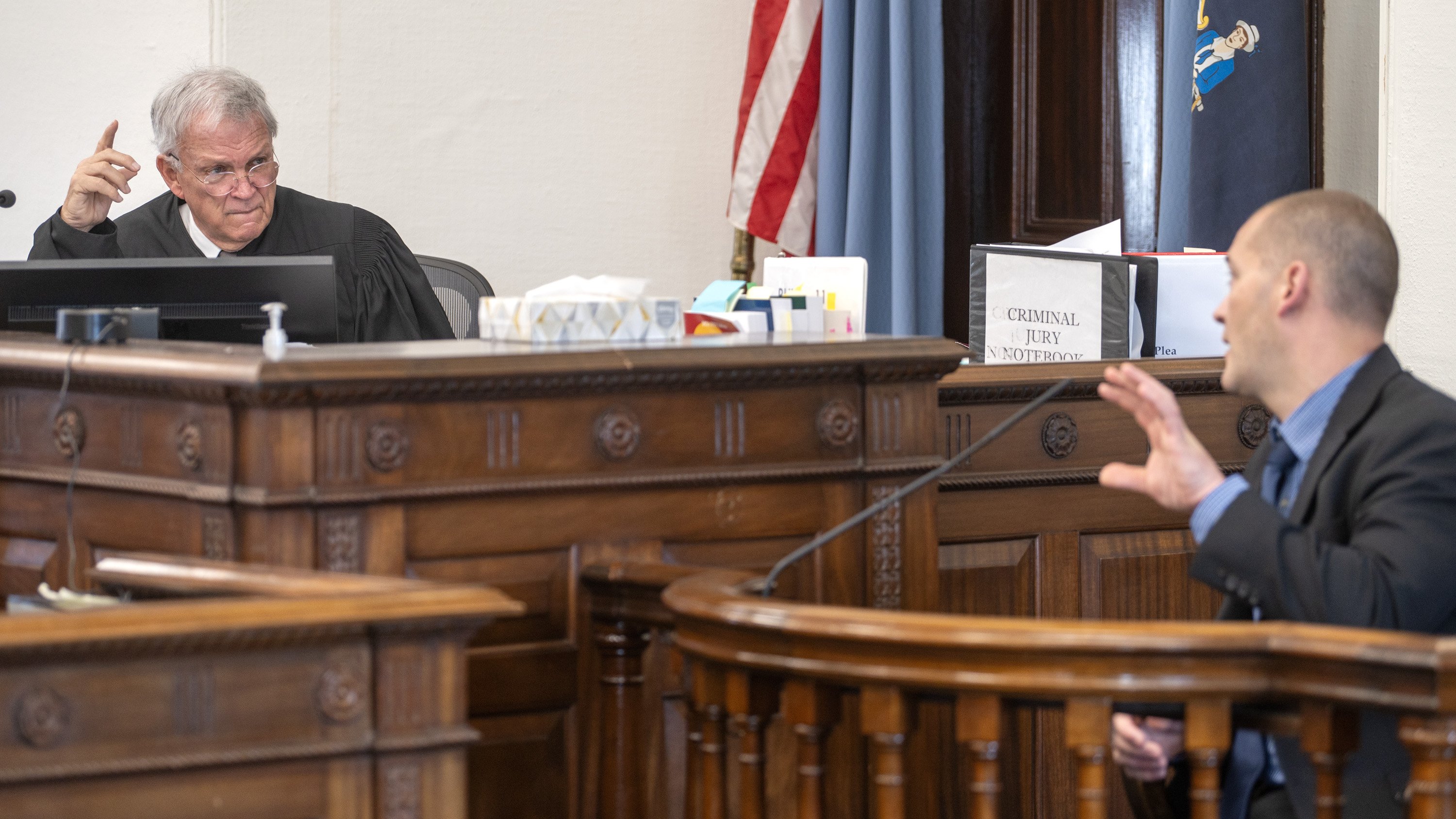
In a court filing, Wu’s attorney Triston Peters questioned whether Wu was in custody at that point and should have been read his rights. Peters also raised doubts that Wu actually understood what Cole was asking him.
Mullen, as of Friday, had yet to issue a ruling on whether evidence from the interaction can be used at trial.

Comments are not available on this story. Read more about why we allow commenting on some stories and not on others.
We believe it's important to offer commenting on certain stories as a benefit to our readers. At its best, our comments sections can be a productive platform for readers to engage with our journalism, offer thoughts on coverage and issues, and drive conversation in a respectful, solutions-based way. It's a form of open discourse that can be useful to our community, public officials, journalists and others.
We do not enable comments on everything — exceptions include most crime stories, and coverage involving personal tragedy or sensitive issues that invite personal attacks instead of thoughtful discussion.
You can read more here about our commenting policy and terms of use. More information is also found on our FAQs.
Show less