

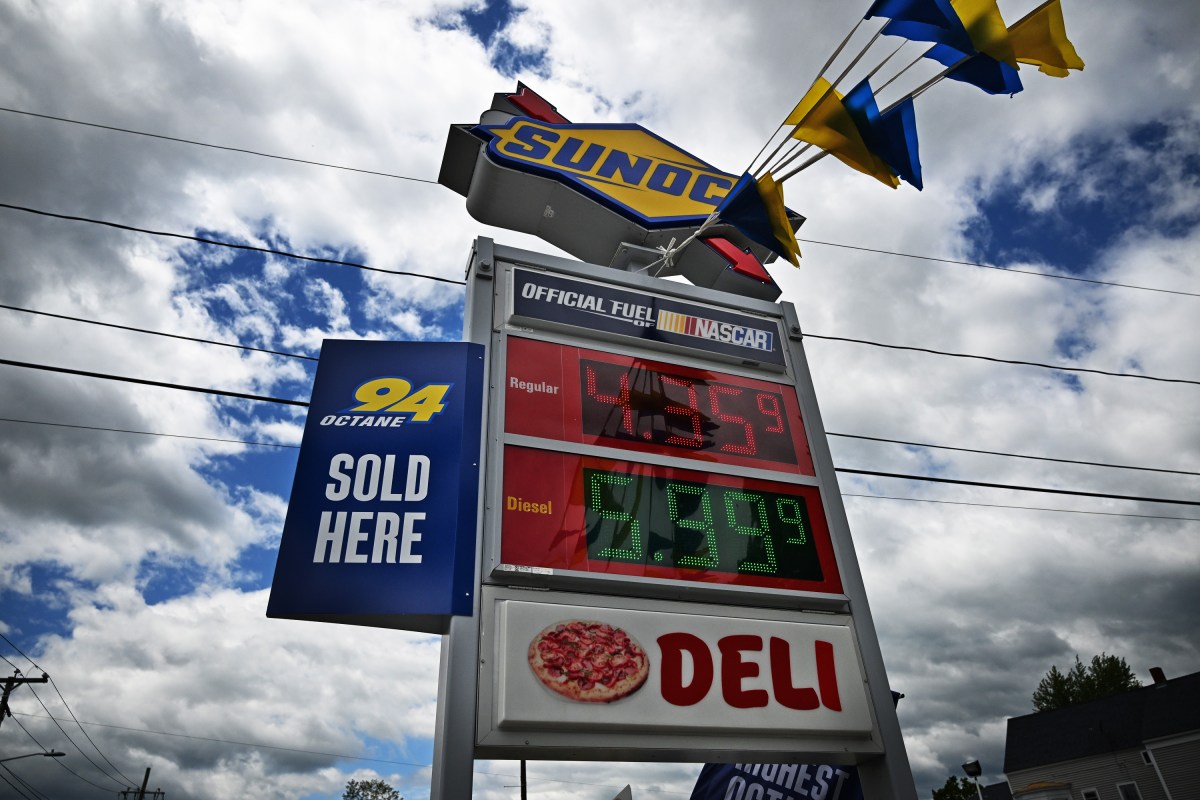
Gas prices remain high, retail sales in Maine are flagging and the economic uncertainty of the last year and a half shows no sign of letting up soon.
Inflation grew at its fastest pace in three years in April, up 3.8% from March based on the latest Personal Consumption Expenditures Price Index. Driven mostly by fuel and utility increases related to the war with Iran, that’s the largest increase since May 2023, following 3.5% in March and 2.8% in February, the U.S. Commerce Department reported Thursday.
Analysts say the decisions that Maine businesses and consumers make in the face of persistent volatility could have lasting effects through the remainder of 2026. Reduced consumer confidence could lead to further constriction in sales, business investment and hiring.
“President (Donald) Trump’s policies — tariffs, deportations, the Iran war — have been creating a bit of drag on the economy, and there’s going to be some tail to that disruption,” said James Myall, senior analyst at the progressive Maine Center for Economic Policy.
As surging prices erode household income and constrain consumer spending, analysts see an upside in the likelihood that the Federal Reserve could hold interest rates unchanged, Myall said.
But even as the Trump administration signals a tentative deal with Iran — and as the average price of regular gasoline in Maine dropped to $4.42 per gallon Wednesday, down from $4.51 a week ago — economic stability and affordability aren’t expected to return in the near future. Neither is $3.05-a-gallon gas.
“Even if we have a quick resolution to the situation in the Middle East, it will take time to see those prices come back down again,” said Amanda Rector, state economist.
FUEL SPIKES CONSTRICT SPENDING
The ripple effects of higher fuel prices touch every corner of Maine’s economy, Rector said, from immediate day-to-day spending decisions to long-term planning for both consumers and businesses.
And fuel isn’t an expense that most Mainers can trim from their budgets.
“Maine is a big rural state,” Rector said. “We drive around a lot. We have a lot of large industries that rely on diesel to run their machinery, which is even more expensive. So we end up trimming other costs.”
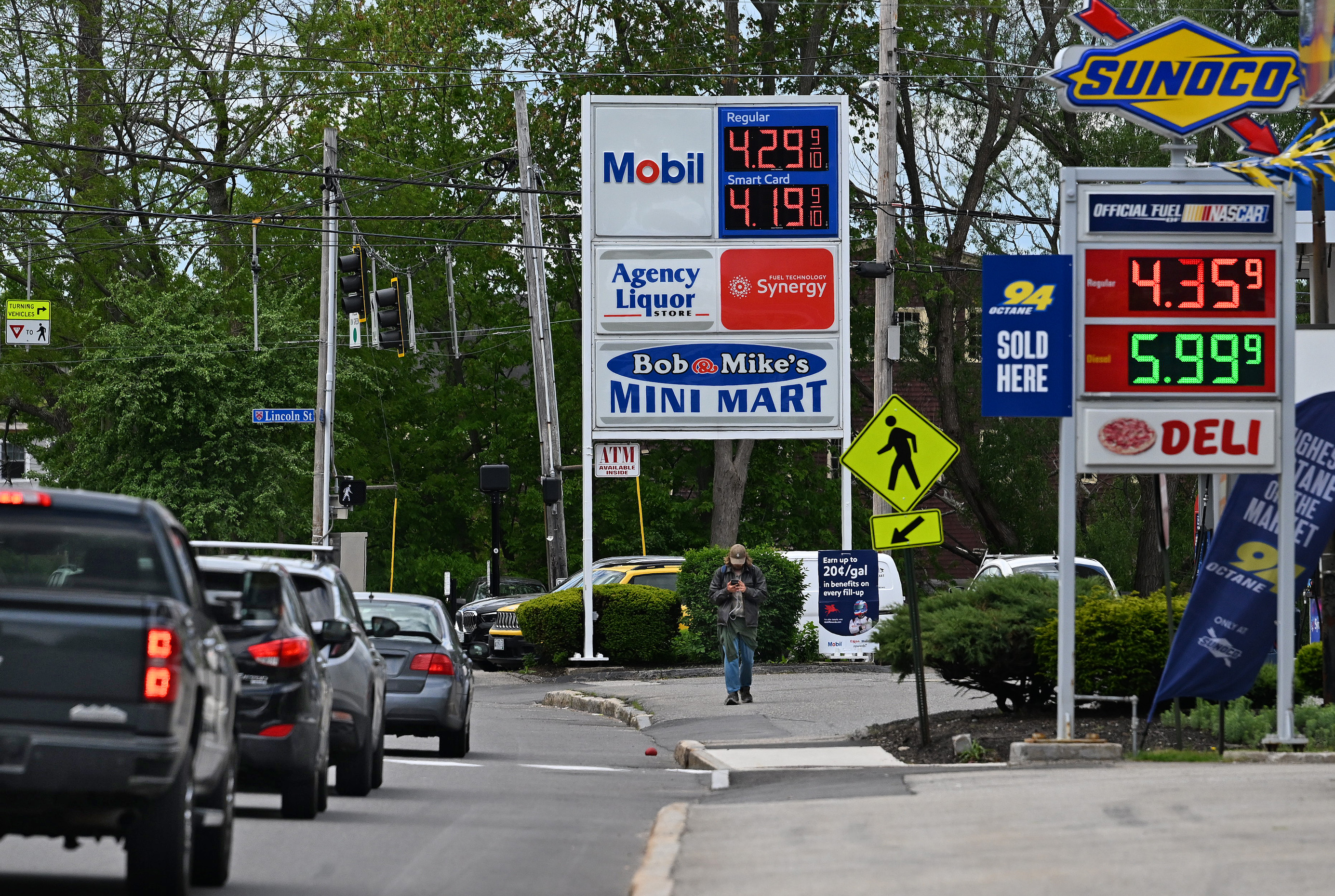
For consumers, that means reining in spending on extras such as dining out, buying a new vehicle or vacationing out of state. If they’re thinking ahead to their winter budgets and the prospect of higher heating costs, they may constrain spending in advance.
Growth rates in Maine’s taxable retail sales have softened recently, Rector said. Year-over-year spending was down in four of the last 12 months for which data is available, according to Maine Revenue Services.
Business owners face the same uncertainties related to inflation, tariffs and overall price volatility, leading some to raise prices, reduce inventory, postpone capital investments and delay filling entry-level positions, Rector said.
Despite having a relatively stable labor market — with an unemployment rate below 4% for 52 weeks — Maine’s economy is sagging with no measurable job growth expected through 2030.
“Job growth has basically flatlined,” Myall said, reflecting the lack of growth in Maine’s economy.
As Maine’s population has aged over the past decade, with 23.5% of its 1.4 million residents now age 65 or older, many businesses have a tough time filling positions as workers retire, Rector said.
With the addition of current economic uncertainties, some businesses may decide to leave entry-level jobs unfilled or eliminate them altogether, especially if they’re considering the use of artificial intelligence to reduce production costs, she said.
HOPE IN TOURIST SEASON
The tourism sector of Maine’s economy may see an uptick with the anticipated return of more than 7.5 million visitors during the May-August tourist season.
If they don’t decide to stay home, budget-conscious travelers may restrict summer vacation trips to Maine, driving up local and regional tourism, she said. Celebrations of the 250th anniversary of the signing of the Declaration of Independence also may foster more day trips and local spending.
Whether Canadians will come back in past numbers after being put off last year by the president’s threats and insults remains to be seen.
“Maybe we’ll see a little more Canadian traffic,” Rector said. “There may be more people trying to do domestic travel, but high gas prices are certainly some major headwinds that we’re facing.”

We invite you to add your comments. We encourage a thoughtful exchange of ideas and information on this website. By joining the conversation, you are agreeing to our commenting policy and terms of use. More information is found on our FAQs. You can update your screen name on the member's center.
Comments are managed by our staff during regular business hours Monday through Friday as well as limited hours on Saturday and Sunday. Comments held for moderation outside of those hours may take longer to approve.
Join the Conversation
Please sign into your CentralMaine.com account to participate in conversations below. If you do not have an account, you can subscribe here. Questions? Please see our FAQs.