


Six years ago, the Penobscot Nation posted its land in Carrabassett Valley.
The tribe owns 24,000 acres there and the decision barred the public from much of the outlying woodlands that bikers, hikers, ATVers and snowmobilers had come to rely on.
At the time, the tribal council had received numerous complaints from its members that outside users were not respecting the land. It was littered in trash, and gates were commonly left open or locked behind tribal citizens.
Since then, the local ATV club has all but disappeared, given that nearly all of the trails it maintained were on or accessed through tribal land; membership in the local snowmobile club has dropped from 150 members to 55.
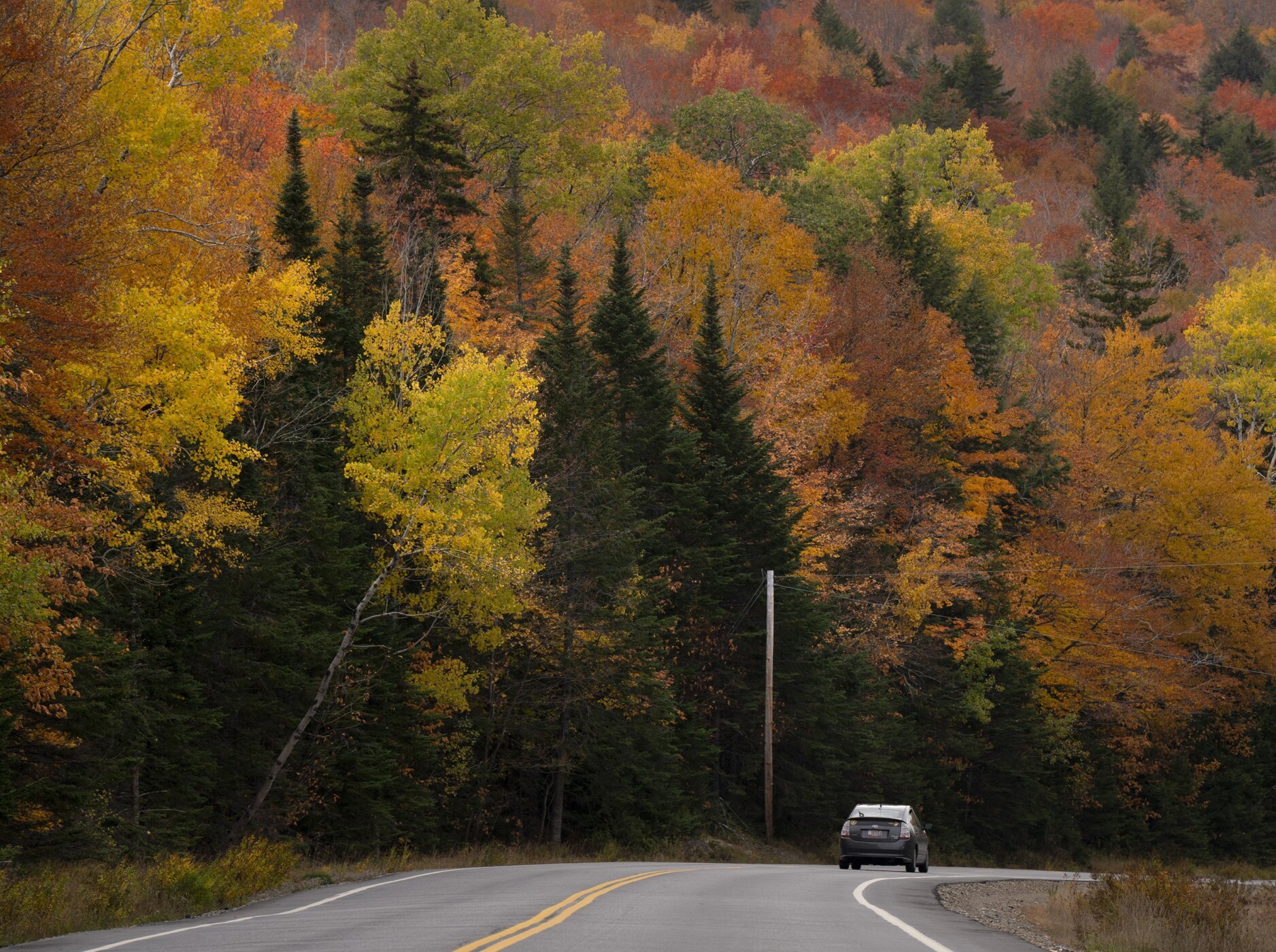
The Carriage Road that runs 5.5 miles from downtown Carrabassett Valley to Flagstaff Lake and Bigelow Preserve is closed too, meaning the only route there from town is now 35 miles south along state Highway 27 through Kingfield.
New zoning adopted in March will allow the Penobscot Nation to build more homes on its land in the town. It’s an indicator, Town Manager Garrett Corbin hopes, that the long-chilled relationship between the two governments may be thawing.
CAUGHT IN THE SOVEREIGNTY DEBATE
Carrabassett Valley is a sort of middle marker on a rope in a game of tug-of-war.
On one side is state government, which has long vied to retain certain jurisdictional powers over tribal lands that are unique to Maine and were secured in the land claims settlement negotiations in 1980; on the other, the Wabanaki Nations, which are fighting for the same powers and right to self-governance enjoyed by the other 571 federally recognized tribes outside the state.
If the state gets its way, Carrabassett Valley keeps broad authority over development on tribally owned land within town borders. The Penobscot Nation’s 24,000 acres comprise almost half the town.
The tribe’s decision to cut off access to its land occurred against a backdrop of the town’s opposition to sovereignty legislation in Augusta pushed by lawmakers
“It all was interrelated,” said Maulian Bryant, who was the Penobscot Nation’s ambassador at the time.
If the tribe were to place that land into trust status with the federal government, it would be designated as “Indian territory” and afford the tribal government far greater authority over how the land is used.
For the Penobscots, that’s a right as a sovereign federally recognized tribal nation.
In other states, local governments in similar positions to Carrabassett Valley are given an opportunity to comment. Their consent is not required.
But in Maine, that trust application must be approved by the town. Municipal veto authority over trust applications is one of the things that would likely go away if the state amends the settlement act to fully recognize tribal sovereignty.
It’s a proposition that frightened some leaders of Carrabassett Valley.
“A casino, a wind tower project or other projects could be built with absolutely no Town or State approval process,” Carrabassett Valley’s select board lamented in testimony submitted to the Legislature in 2021. “In our community, hundreds of our homeowners whose properties abut (Penobscot) land would lose the protection of the Town’s Zoning Ordinance which they now have.”
That, Bryant said, is an “extension of the paternalism we’re trying to leave behind.”
Carrabassett Valley Selectman Lloyd Cuttler worked alongside the town manager at the time to oppose legislation that, from his perspective, would deprive the town of its authority.
When Gov. Janet Mills nominated Cuttler in 2024 to serve on the joint state-tribal commission, tribal commissioners accused him of having an anti-tribe bias and Mills ultimately rescinded his nomination.
Cuttler declined to comment.
FINDING COMMON GROUND
All signs indicate Penobscot tribal councilman Ron Bear is having some success peacemaking between the two governments. Bear, who declined to comment, has shouldered responsibility for liaising with town officials.
Corbin was hired as town manager in 2024 and one of his top tasks was to repair the town’s relationship with the tribe.
He and other town officials have held meetings with the Penobscot Nation’s land committee. Even that is an improvement — records indicate town officials were rarely able to secure a meeting with tribal leaders in the past.
They’re doing everything they can, Corbin said, to show they’re good neighbors.
In March, Carrabassett Valley’s Select Board adopted updates to the town’s comprehensive plan and zoning. The changes will, among other things, allow for medium-density housing development on a large swath of the tribe’s land. The town manager hopes it will be of mutual benefit.
As for the game of tug-of-war, Carrabassett Valley is staying out of the fray.
The town did not comment on the most recent batch of sovereignty bills that were introduced last session (but were dramatically amended before they became law).
From Corbin’s perspective, that’s the state’s conflict.
The town’s no longer interested in laying a hand on the rope.
Reuben M. Schafir is a Report for America corps member who writes about Indigenous and rural communities for the Portland Press Herald.

We invite you to add your comments. We encourage a thoughtful exchange of ideas and information on this website. By joining the conversation, you are agreeing to our commenting policy and terms of use. More information is found on our FAQs. You can update your screen name on the member's center.
Comments are managed by our staff during regular business hours Monday through Friday as well as limited hours on Saturday and Sunday. Comments held for moderation outside of those hours may take longer to approve.
Join the Conversation
Please sign into your CentralMaine.com account to participate in conversations below. If you do not have an account, you can subscribe here. Questions? Please see our FAQs.