
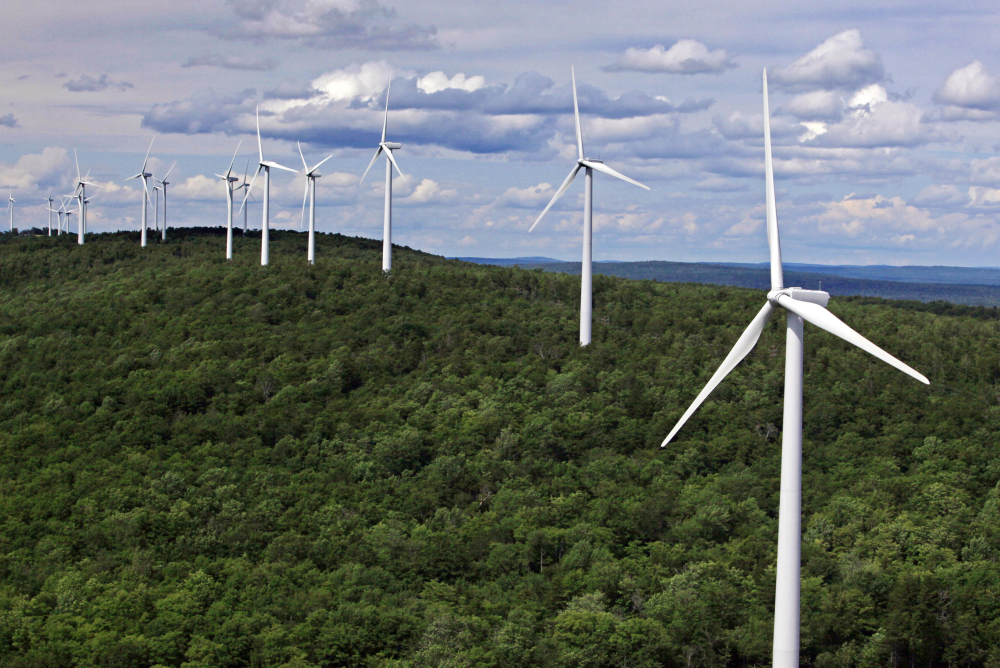

The updated plan to be released Thursday sets new targets for energy efficiency and aims to ensure that all Maine residents benefit from the state’s responses to climate change.
environment
Posted inMaine, News
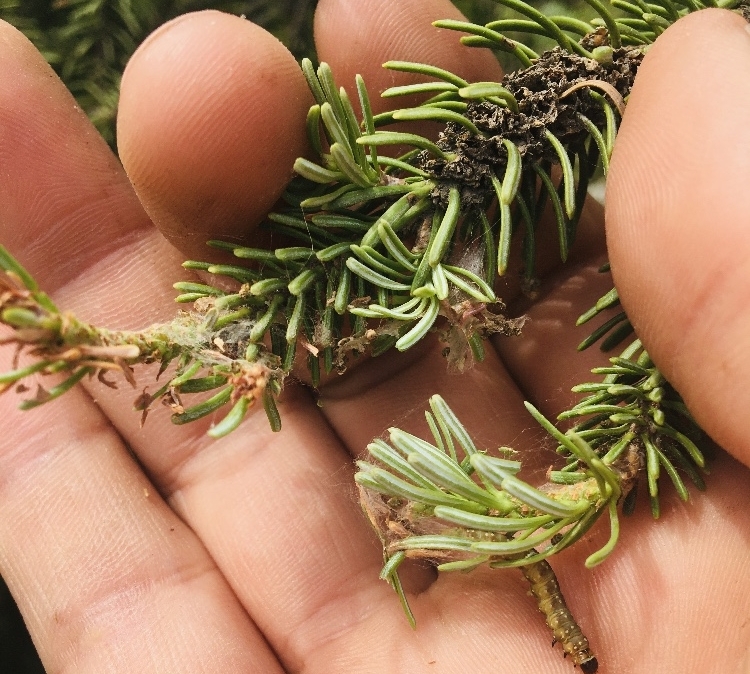
Budworms ravaged Maine’s forests for years. They’re starting to come back.
An aerial survey confirmed 3,000 acres of Maine’s forest were damaged by spruce budworm in July. Modeling indicates 178,000 acres are at risk of defoliation from budworm larvae that will emerge next spring.
advertisement
Posted inTimes Record
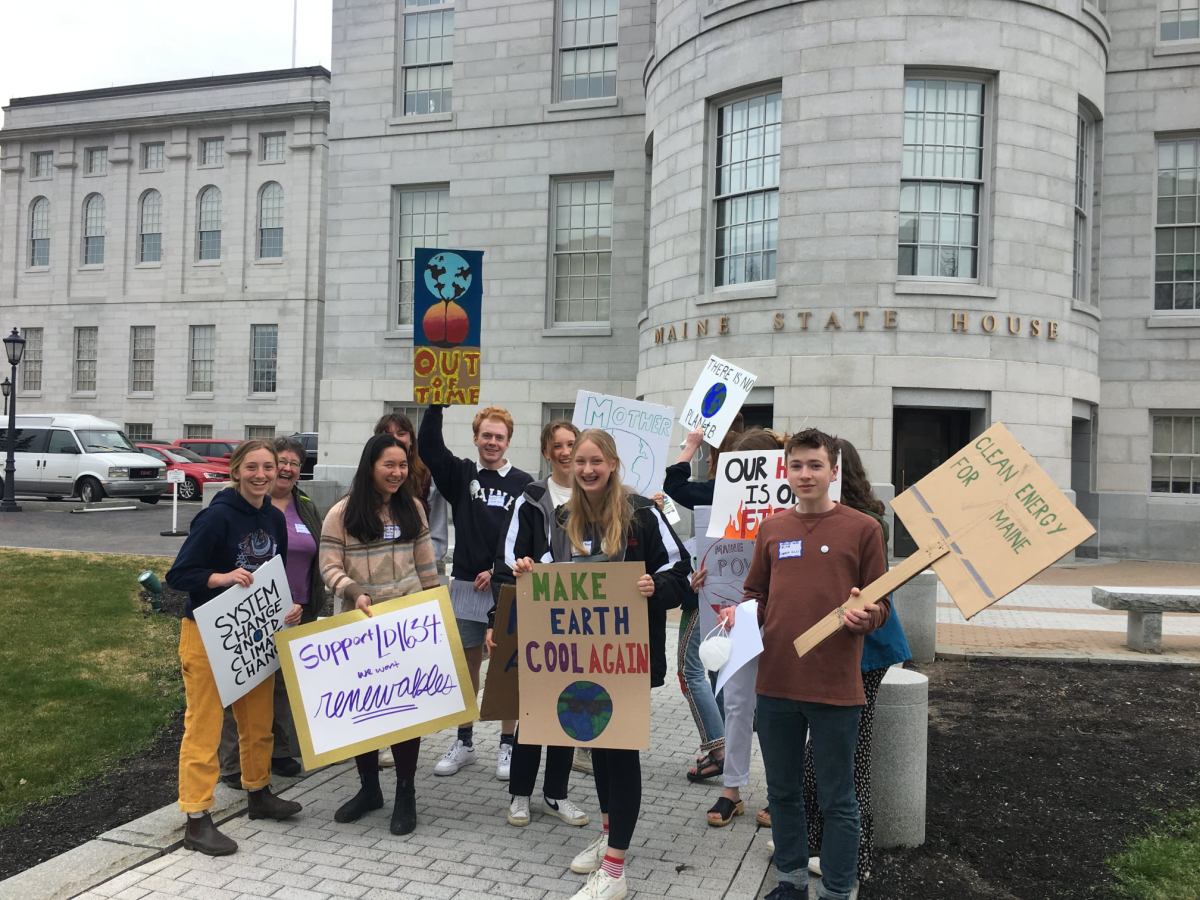
Maine Youth for Climate Justice launches podcast promoting offshore wind

Understanding the climate crisis is tough. Maine Youth for Climate Justice (MYCJ) has turned to audio production to help educate the public on the problems and potential solutions.
Posted inMaine, News
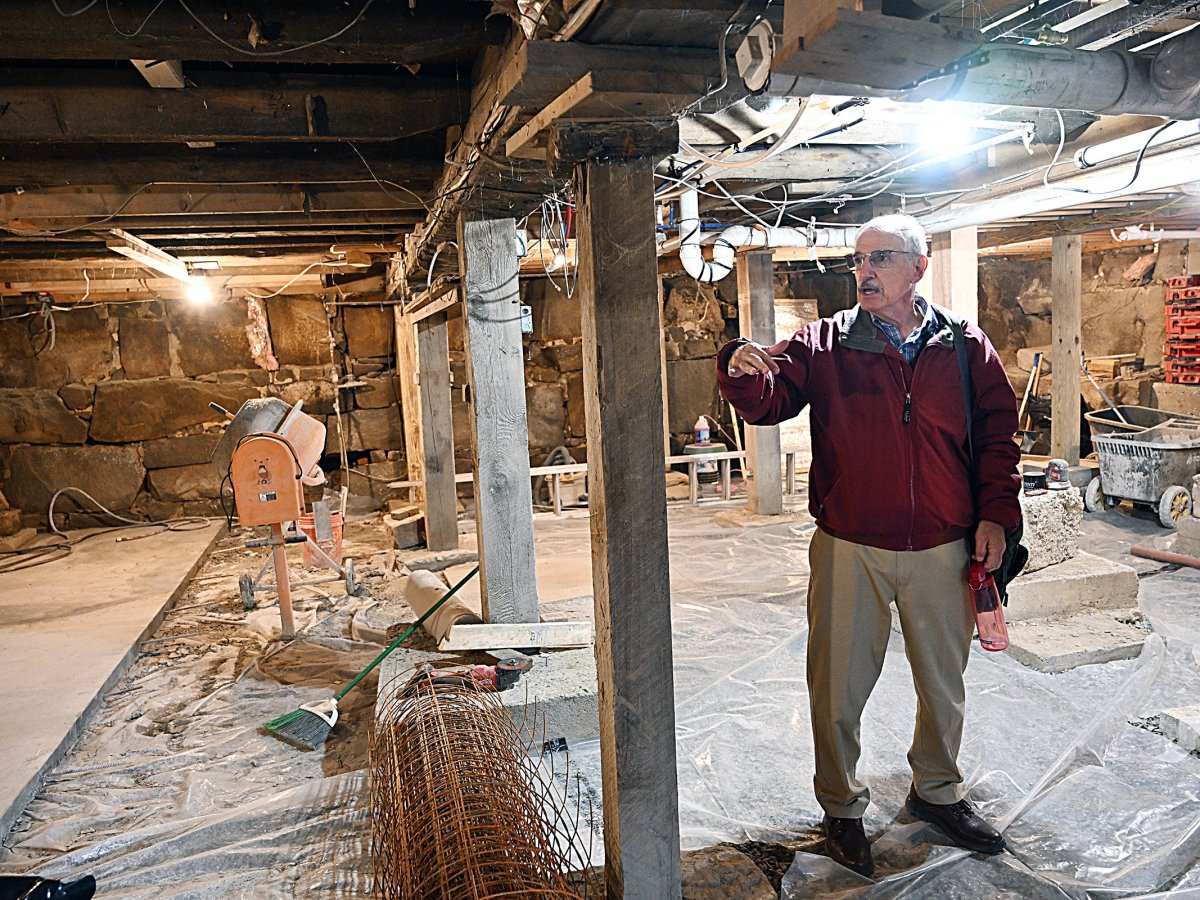
Commission urges Maine to prepare for next round of severe winter storms
Extreme weather that caused inland and coastal flooding last winter spurred the report issued Tuesday with recommendations about how to prepare for more storms.
Posted inFood & Dining, Maine Gardener
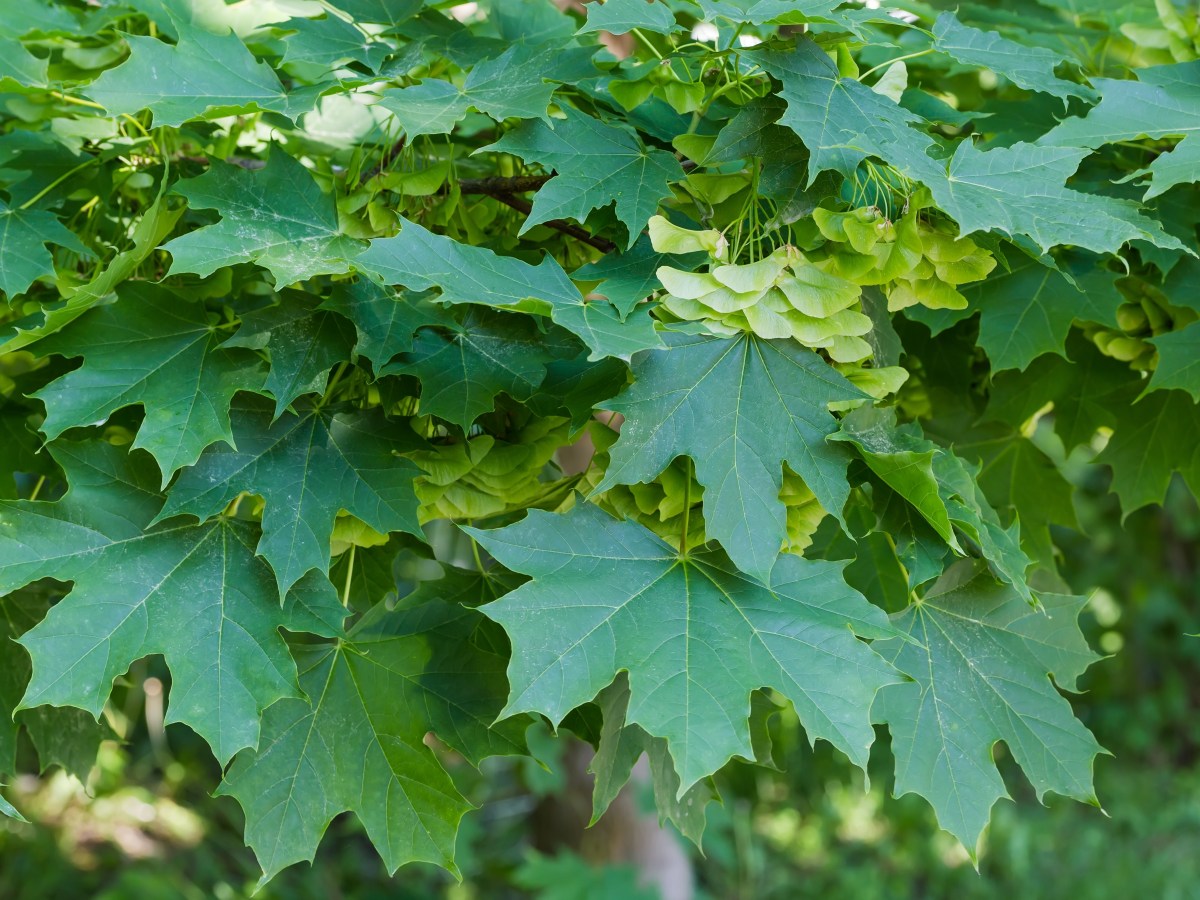
Some people hunt for deer and turkeys in the fall …
while others hunt for invasive plants.
Posted inMaine
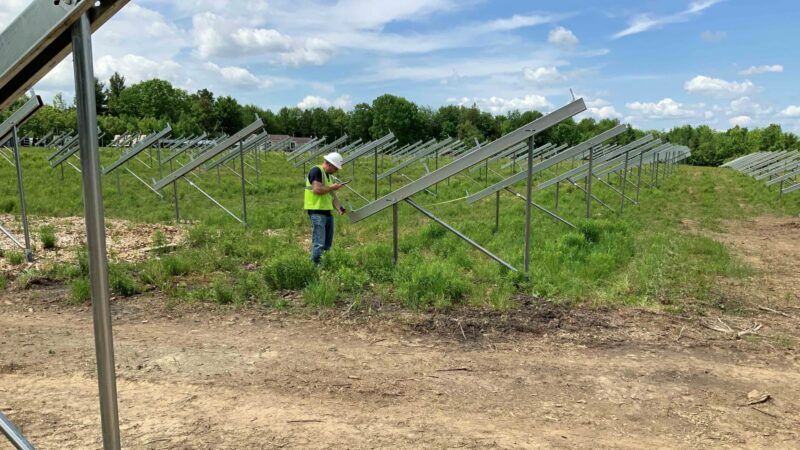
Maine Board of Environmental Protection wrestles with fees for solar, wind impacts
Fees would vary depending on how much land is impacted and whether it is high-value habitat or home to threatened or endangered species.

Posted inBusiness, Maine, News
Maine Climate Council skips green hydrogen, for now, and leans into EVs
Maine Won’t Wait 2.0, which is due out next month, is relying on getting 150,000 electric passenger vehicles on the road by 2030 to meet the state’s emissions target of lowering 1990 greenhouse gas levels by 45%.
Posted inMaine, News
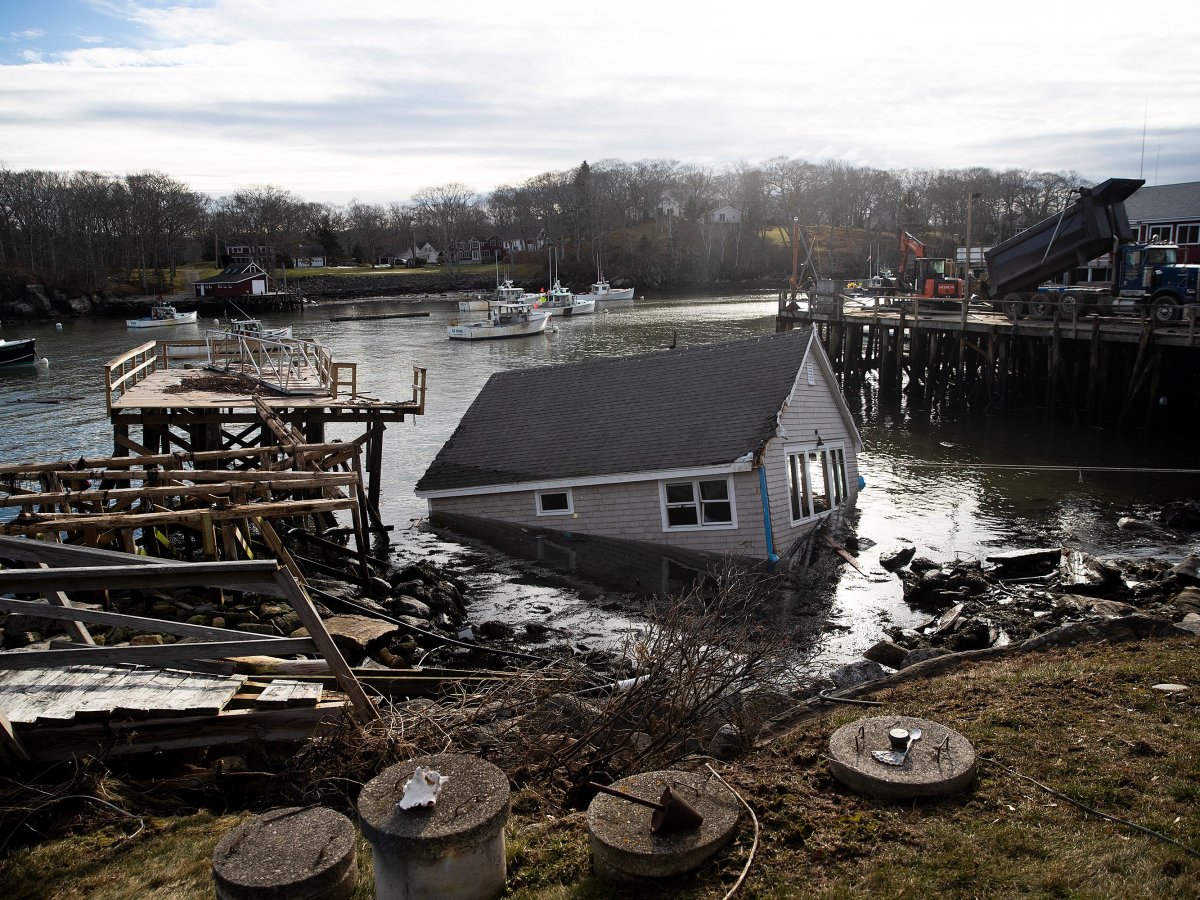
Experts focused on Maine’s resilience to extreme weather call for enhanced alerts, education
A state commission created in the wake of last winter’s severe storms wants access to the federal Integrated Public Alert and Warning System, which sends wireless emergency alerts to all mobile phones within a designated area.
Posted inMaine, News
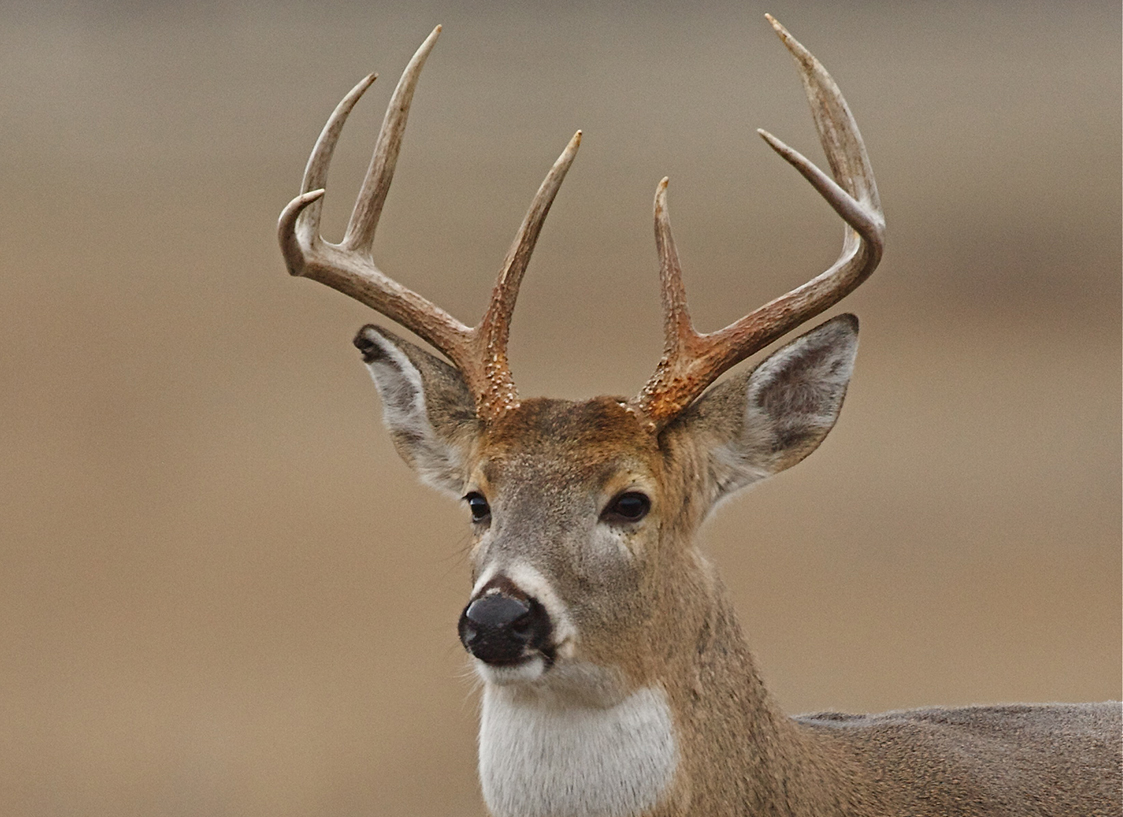
Deer and wild turkey contaminated with PFAS? What you need to know
An advisory against eating meat from certain parts of the state is the latest consequence of Maine’s history of spreading sewage sludge for fertilizer. The sludge has since been found to be high in harmful forever chemicals.

Posted inMaine, News
How to protect ash trees and preserve a Wabanaki tradition
How to help protect the brown ash tree used in Wabanaki basketry from the invasive emerald ash borer. • Cut, buy, or burn only local firewood to avoid carrying beetle-infested wood to new territory. It’s the law. • Monitor for telltale signs of infestation – extensive woodpecker stripping of trunks, s-shaped larval tunnels in the […]