
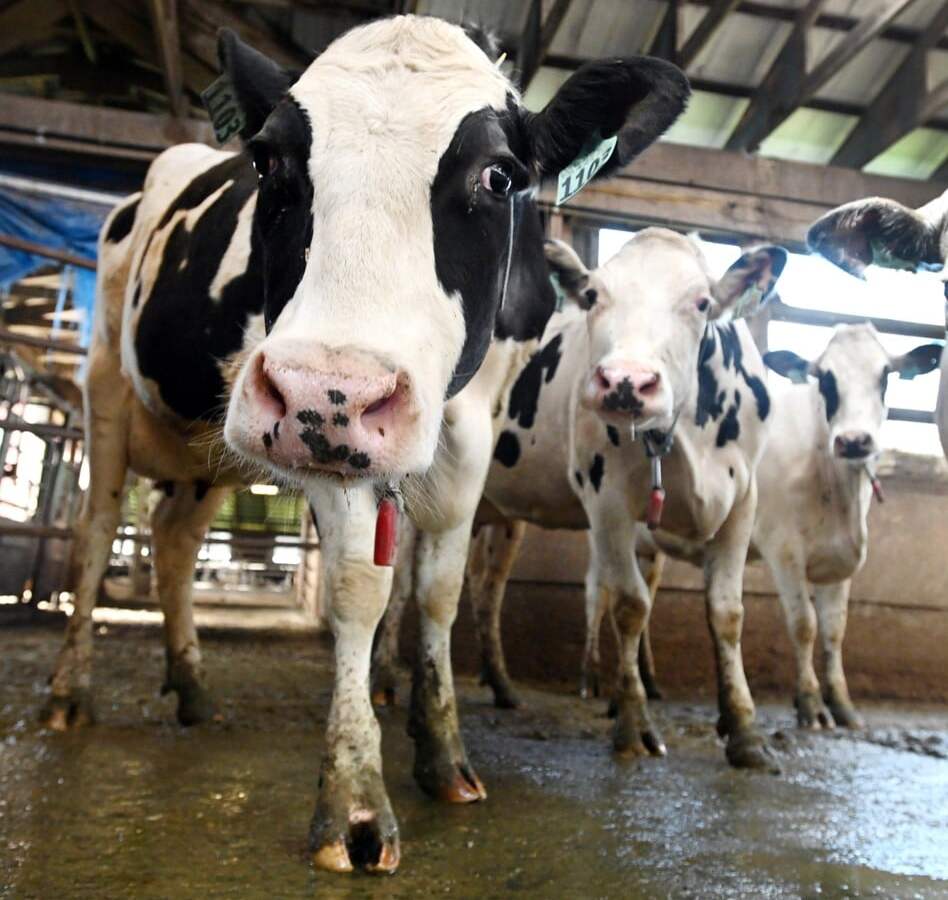

Over the last 2 years, Maine has lost a quarter of its dairy farms to runaway electricity, fuel and fertilizer costs, and skyrocketing interest rates. Only 161 remain in operation.
Maine agriculture
Posted inBusiness, Local & State
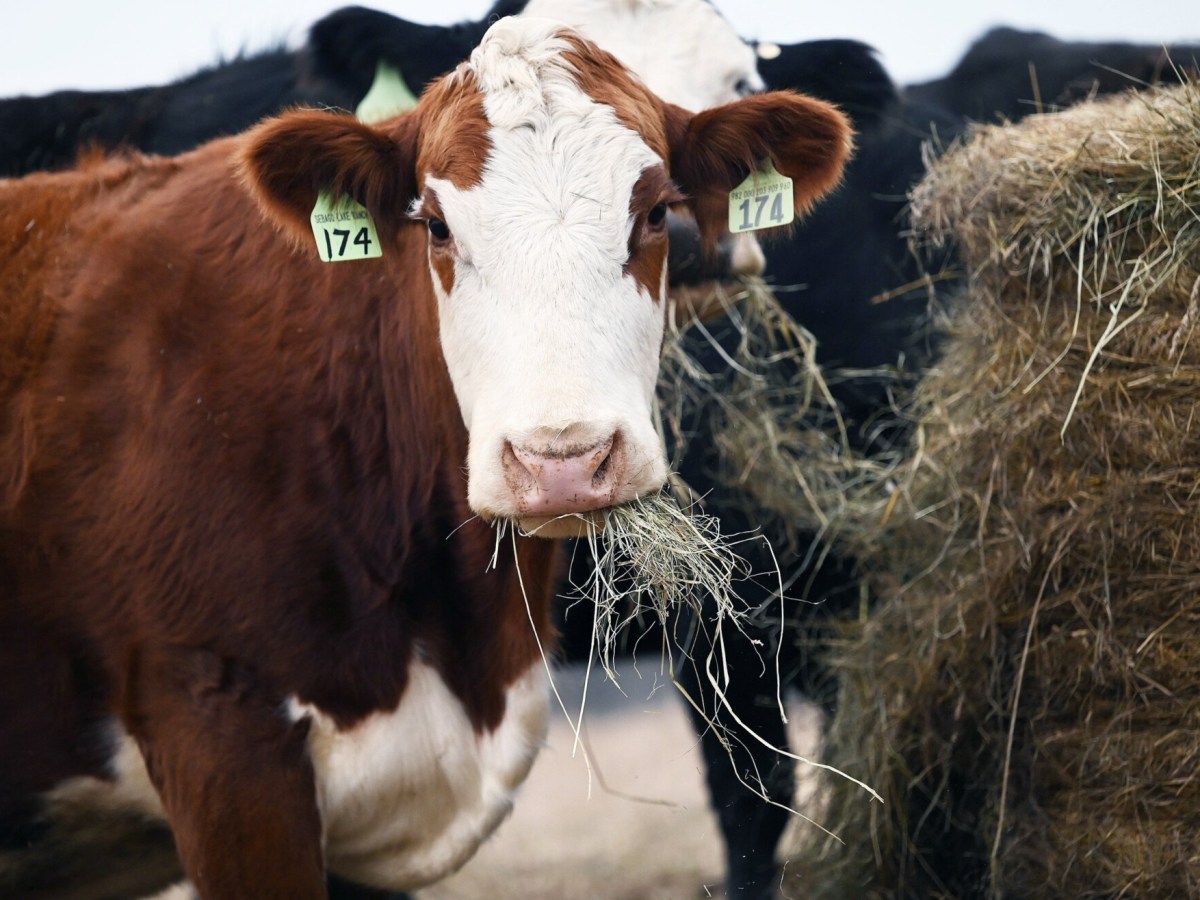
Maine lawmakers asked to crack down on ‘grass-fed’ beef label
Farmers say they spend extra time and money raising cattle strictly on grass, and mislabeling cheats them and people who are paying extra for something they’re not getting.
advertisement

Posted inLocal & State
From Maine to California, the solution to sludge disposal is not settled
In fact, the approach in Maine – banning the spread on farmland because of PFAS risks – directly opposes the tack by eco-conscious California. Here’s how the science is evolving.
Posted inBusiness, Local & State
Ban on pesticides with PFAS feeds concern about unintended impacts
Some Maine farmers, including some of its 300 certified organic farmers, worry they soon won’t be able to defend their crops from pests, said Julie Ann Smith of the Maine Farm Bureau.
Posted inLocal & State
New research lab could give Maine an edge in fight against PFAS contamination chemicals
The University of Maine plans to create a lab to support research that could help farmers with contaminated soils and crops.

Posted inBusiness, Local & State, News
Wolfe’s Neck Center receives $35 million federal grant to boost climate-smart agriculture

The five-year award will let the group lead a national alliance dedicated to improving soil health.

Posted inLocal & State
Rare livestock breeds gain popularity in Maine

Proponents of ‘heritage breeds’ say the animals offer unique genetics that help them to resist heat, to forage and to guard against parasites.

Posted inBusiness, Local & State
Maine business group seeks rare deal to export ‘cape shark’ to Cuba
Although U.S. export to the Caribbean’s largest island is rare, the Maine delegation’s leader is a seasoned veteran of Cuban trade and one of few Americans with an export license.
Posted inLocal & State, Nation & World, Uncategorized
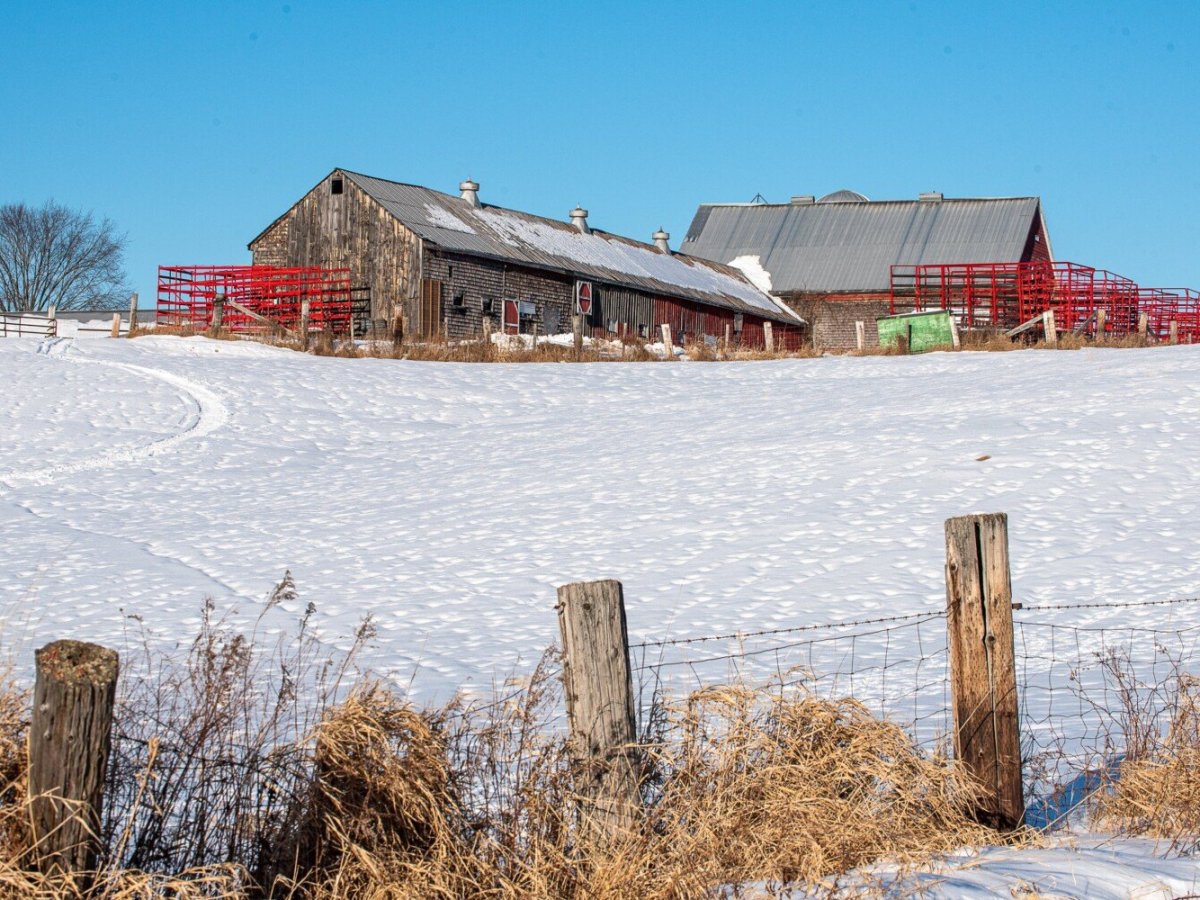
Proposed federal grants would help remove PFAS from rural water supplies
The Healthy H2O Act would help rural areas that rely on well water tests and treat for so-called forever chemicals.
Posted inLocal & State
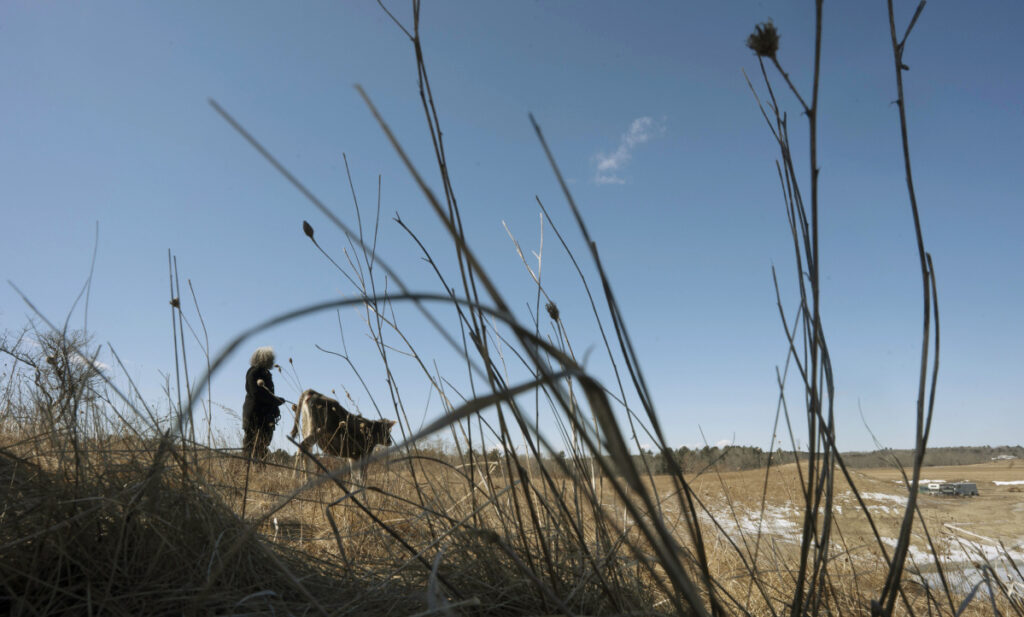
Legislative panel OKs $100 million PFAS relief fund for farmers
The money could be used to cover remediation efforts, crop losses, farm buyouts and long-term health care needs.